‘Clair Obscur’ Just Lost Its Game of the Year Award, And I Am So Sick Of This Exhausting AI Witch Hunt
We are ending 2025 on a sour note, folks. Just when we thought we could celebrate one of the best RPGs of the year, the specter of generative AI has come to ruin the party yet again.
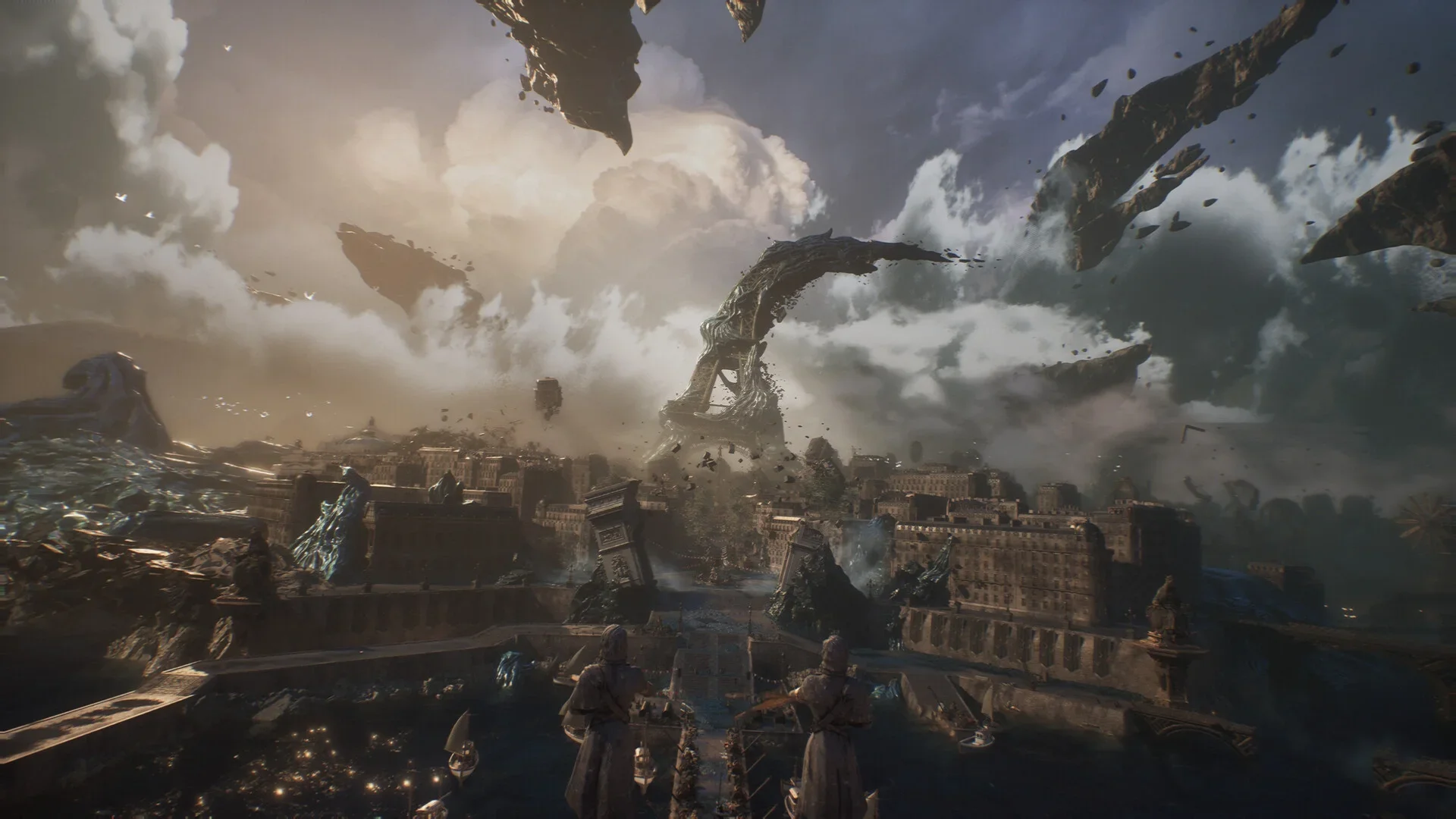
If you missed the drama, Clair Obscur: Expedition 33 originally swept the Indie Game Awards on December 18, taking home both Game of the Year and Debut Game. It deserved it on merit. The game is stunning. But barely 48 hours later, the organizers (Six One Indie) stripped the studio, Sandfall Interactive, of everything.
Why? Because they used generative AI. But looking at the details, this doesn't feel like a victory for human art. It feels like a grim preview of how exhausting the next few years of gaming are going to be.
The "No AI" Pledge That Wasn't
According to the official statement from Insider Gaming, the Indie Game Awards have a hard stance against generative AI. When Sandfall submitted the game, they explicitly agreed that "no gen AI was used in the development."
They ticked the box. They made the promise.
But the reality of development is messier than a checkbox. Players had spotted a blatant AI-generated newspaper texture in the game months ago. It was a placeholder that slipped through the cracks and was quickly patched out with a real asset. On the day of the awards, Sandfall confirmed the usage, and they were immediately disqualified.
The Awards Show Failed Us Too
While it is easy to point fingers at the devs for technically breaking the rules, we have to look at the organizers.
If your policy is "No Gen AI," you need to actually vet the games, not just ask for a pinky promise. As pointed out by observers online, the existence of these AI placeholders was public knowledge for months. Nobody cared back then. It was only after the game won and the spotlight hit that the outrage machine spun up.
It feels like the awards panel was uneducated on how modern games are made. Surveys show a vast majority of developers use Gen AI at some point—often for internal concepts, code, or placeholders that never make the final cut. Enforcing a "Zero AI" rule is becoming impossible, and retroactively stripping awards for a patched-out texture feels less like integrity and more like a witch hunt.
The Exhaustion of 2026
I am honestly just tired. I am tired of the denial from devs, but I am also tired of the constant policing.
We are entering an era where every texture, every line of code, and every voice line is going to be scrutinized under a microscope. It is bad for developers who are terrified of being "cancelled" for using a tool to speed up a prototype. It is bad for players who just want to enjoy a game without a moral panic attached to it. And yes, it is terrible for the artists losing jobs to automation. It is a lose-lose situation all around.
The Game Is Still Amazing
Here is the truth we need to accept: Clair Obscur is still incredible.
This disqualification doesn't erase the thousands of hours of human labor that went into the combat design, the writing, and the non-AI art. The game is a masterpiece of the genre.
The disqualification has rewritten the history books, Sorry We’re Closed now wins Debut Game and Blue Prince takes Game of the Year, and those games deserve their flowers. But let's not pretend Clair Obscur is suddenly trash because of a texture file.
A Grim Sign of Things to Come
This mess isn't a permanent stain on the game's legacy, the game will survive. Instead, it is a warning sign. The lines are blurring, the rules are unenforceable, and the discourse is toxic.
If this is how we are handling AI in 2025, the coming years are going to be absolutely exhausting. We need better definitions, better transparency, and maybe a little less performative outrage if we want to survive 2026 without losing our minds.