Stop Building Like A Noob: Advanced Tactics To Break ‘Alchemy Factory’
Okay, so you read my last guide. You know how to press "T" to rotate things, and you aren't trying to burn rocks for fuel anymore. Congratulations, you are now slightly less incompetent.
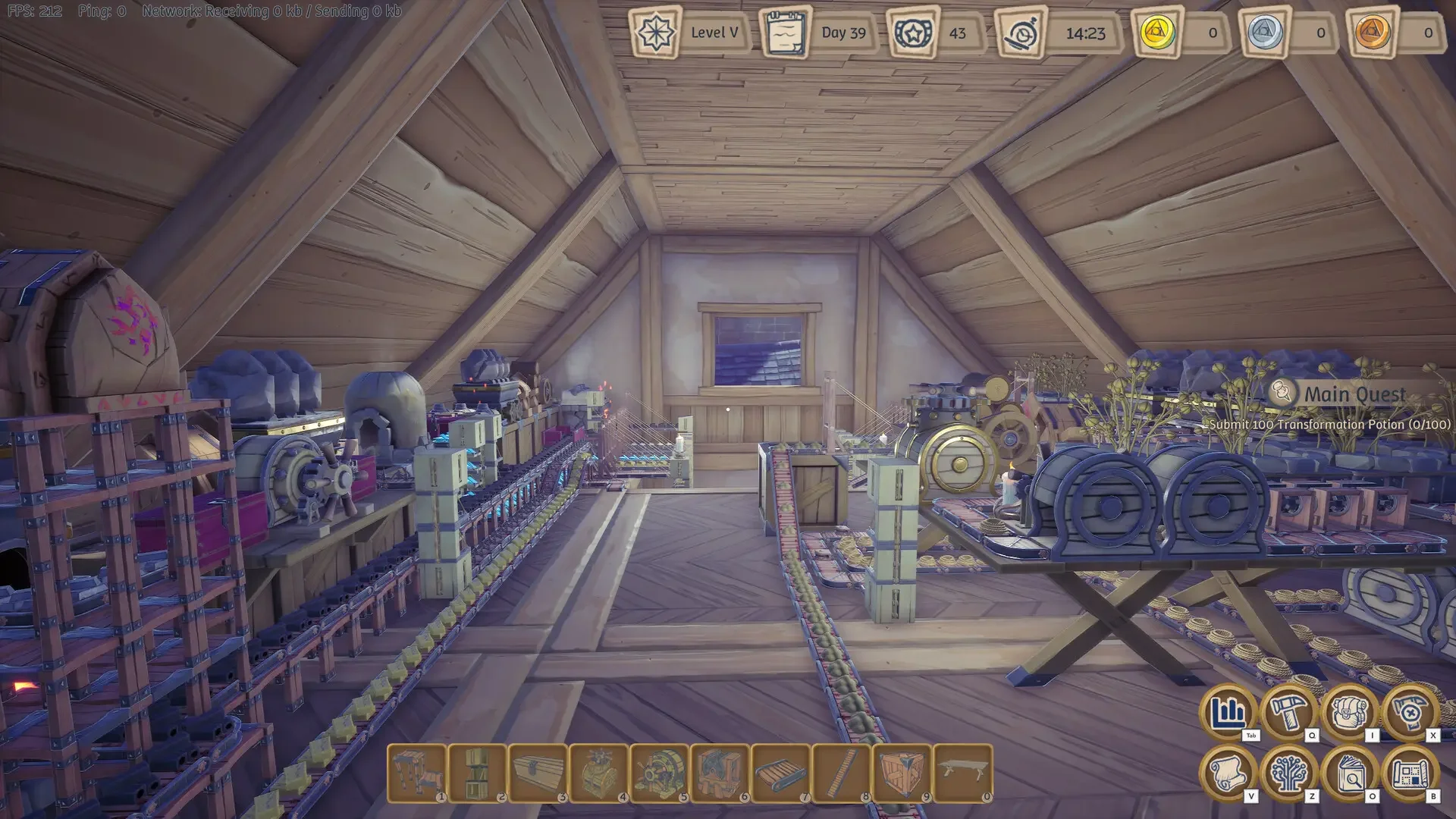
But "slightly less incompetent" doesn't build an empire. I’ve been scouring the community (and ruining my own save files) to find the strategies that separate the casual shopkeepers from the industrial titans. Thanks to some galaxy-brain plays from Reddit user JADeGames7 and my own obsession with efficiency, we have a new set of rules to live by.
The "Staging Area" Technique
This is the single smartest tip I have seen, and I am furious I didn't think of it.
Most of us build our factories in place. We try to squeeze a crusher in between two walls, realize it doesn't fit, delete everything, and cry. Stop doing that.
Instead, find a wide-open empty plot of land. This is your Staging Area. Build your complex production modules here where you have infinite space to troubleshoot the spaghetti. Once it works perfectly, use the Blueprint tool to copy the entire setup, walk over to your actual factory, and paste it into the tight spot. It is like pre-fabricating a building before dropping it on site. It saves you hours of headache and keeps your main floor clean.
The "Circle of Production" (The Money Belt)
If you are still running coins manually or having them dead-end at a chest, you are doing it wrong. You need to think in circles.
The ultimate design philosophy is the Money Belt. Create a central artery—a main conveyor belt loop—that carries nothing but cash. This belt should feed into your material buyers (portals/market) and then loop back to the shop. Your production lines pull resources from this loop and dump finished goods back into the shop, which dumps money back onto the belt.
It turns your entire factory into a self-sustaining organism. Money goes out, materials come in, potions go out, money comes in. If you design around this central spine, you never have to worry about a machine starving for budget again.
Death From Above
We talked about verticality before, but JADeGames7 has a specific application for it: Feed the shop from the ceiling.
Floor space in your shop is valuable. You need room for customers to pathfind and for you to place decorations (if you care about that sort of thing). Don't clog it up with conveyor belts. Instead, build a second floor directly above your sales floor with a hole in the middle. Line the opening with catapults and launch your goods down onto the shelves from above.
It looks ridiculous—it’s literally raining potions—but it clears up your floor plan and allows for maximum shelf density.
The Bulk Order Buffer
Bulk orders are where the real profit is, but they are time-sensitive. If a daily order asks for 50 Healing Potions and you have to start brewing them from scratch, you might miss the window.
The solution? Buffer Chests.
Place a storage container before every final catapult that feeds your shop. Let it fill up. When a bulk order comes in, you can instantly grab the stock from the buffer chest to fulfill the contract without disrupting your shop's regular flow. It is free money waiting to be claimed.
The Fertilizer Rush
Finally, a note on progression: Be messy. Your early factory is going to suck, and that is fine. Your goal should be to rush Advanced Fertilizer tech as fast as possible.
Basic farming is a nightmare of manual labor. Advanced Fertilizer automates the growth cycle efficiently enough that you can finally step away from the dirt and focus on the machinery. Once you unlock it, tear down your starter farm and rebuild it properly. Don't get attached to your early garbage, bulldoze it in the name of progress.
Now go forth and industrialize. That "nice small town" vibe isn't going to ruin itself.
YOU MIGHT ALSO LIKE
Where Winds Meet Codes (December 2025): Free Echo Jade & Coins
Bodycam Review (2025): The Graphics Are Real, But Is The Fun?
The Game Awards 2025 Leaks: Resident Evil 9, Death Stranding 2, and More
Black Friday 2025 Sales: PS5 Dominates, NEX Playground Beats Xbox
PIONER Early Access Review: Great Gunplay Buried Under Tech Issues