Mexico Scraps Its ‘Violent Video Game’ Tax Because Logic Actually Won For Once
It turns out that blaming Master Chief for societal collapse is actually really hard to legislate.
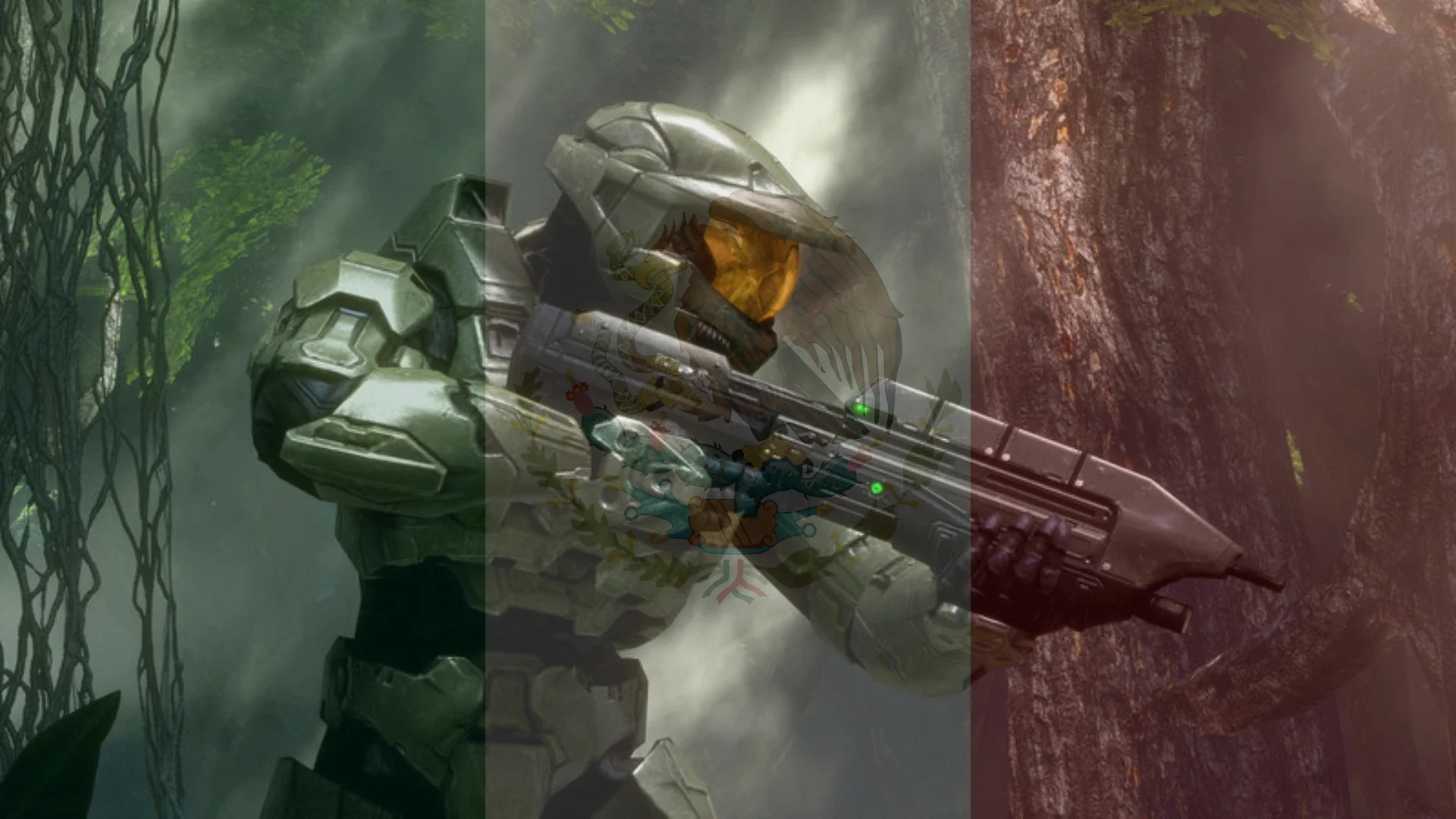
In a rare victory for common sense, the Mexican federal administration has officially cancelled the proposed 8% tax on "violent" video games. The levy, which was set to hit in 2026, has been tossed into the recycling bin because, surprise, surprise, the government realized it had no idea how to actually enforce it.
President Claudia Sheinbaum confirmed the pivot, effectively admitting that trying to create a fiscal category for "bad vibes" was a terrible idea. Instead of charging you extra for Call of Duty, the government is shifting toward "awareness campaigns" and peace-building initiatives. I’ll take a boring pamphlet over a price hike any day.
The "Who Decides?" Problem
The original plan was to slap an 8% Special Tax on Production and Services (IEPS) on games rated "C" (Adults) and "D" (Adults Only). The goal was to raise about $9.8 million USD annually to cover public health costs associated with... playing video games.
But reality hit hard. President Sheinbaum put it bluntly: "It is very difficult to distinguish between a video game that contains violence and one that does not. So, who is going to determine that?"
She is right. Is Mario Kart violent because I threw a bomb at a toddler? Is Hollow Knight promoting violence against bugs? The bureaucracy required to audit every single piece of software on the market would have cost more than the tax would have raised.
The Subscription Nightmare
The scariest part of this proposal wasn't even the tax on individual discs; it was how they planned to handle subscriptions.
The original draft stipulated that if services like Xbox Game Pass or PlayStation Plus couldn't perfectly separate the price of violent games from non-violent ones, the government would just tax 70% of the total subscription value.
That would have been a disaster. Microsoft and Sony would have likely passed that massive cost directly to the consumer, making Mexico one of the most expensive places on Earth to be a subscriber. Thankfully, the cancellation mitigates this operational risk entirely.
Scapegoats vs. Science
Let’s be real for a second. This whole initiative smelled like 1990s panic. The government was relying on data from 2015 to link digital violence to real-world aggression. Meanwhile, more recent research from the Royal Society Open Science suggests that—shockingly—poverty and domestic instability are the actual drivers of violence, not Grand Theft Auto.
Mexico is the 10th largest video game market in the world with over 76 million active players. Trying to penalize that many people based on shaky science was a recipe for disaster. Industry analysts like Mario Valle warned that while big publishers could eat the cost, small Mexican indie devs would have been crushed by the compliance costs.
What Happens Now?
The tax is dead. "That tax will no longer be charged," Sheinbaum stated.
Instead, the administration is moving toward "non-coercive" measures. Expect to see some PSA campaigns about game addiction and responsible consumption. I can live with that. As long as I don't have to pay an 8% "sin tax" every time I want to shoot aliens in space, I consider this a win.
YOU MIGHT ALSO LIKE
Steam Down Christmas Eve 2025: Akamai CDN Errors Block Store Access
Take-Two Hires Perfect Dark Devs To Start New 2K Studio After Cancellation
The Gaming Industry Is Making $197 Billion In 2025, And It Is All Coming Out Of Your Pocket
Alchemy Factory Guide: Tips for Automation, Making Money, and Blueprints