Everwind Guide: Airship Engineering 101 And Power Management
You are going to spend your first hour in Everwind trying to make a pile of wooden trash fly, and you will probably fall out of the sky anyway.
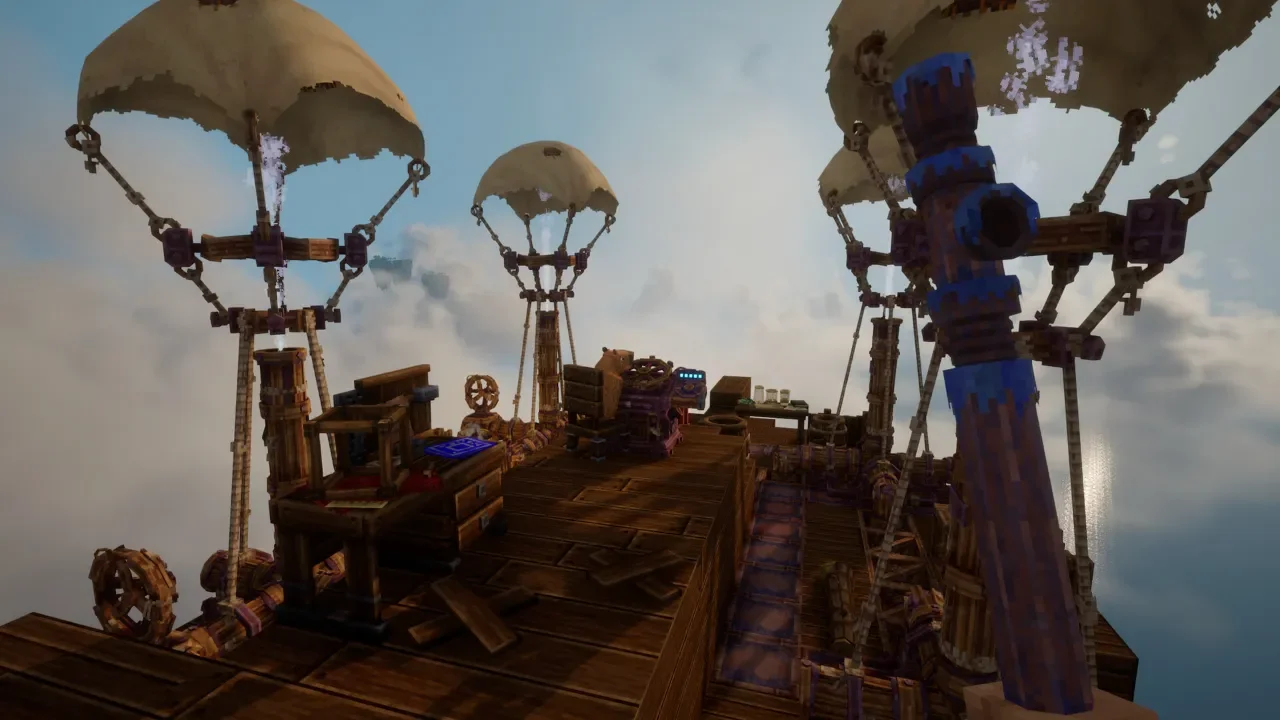
Everwind sells itself on the fantasy of a mobile floating base. What the cinematic trailers omit is the grim reality of trying to wire a primitive energy generator to a makeshift balloon while frantically hoping you do not plummet into the abyss. Your airship is your home, your storage unit, and your only method of transportation. If you mess up the construction, you are basically trapping yourself on a very slow brick.
The game hands you a handful of salvaged parts outside the tutorial tower and expects you to figure out the aerodynamics of a flying slab of wood. I spent an embarrassing amount of time staring at blinking lights on my engines before I finally understood how the underlying math actually functions. If you want a functioning vessel, you need to understand the grid and the brutal upgrade economy.
The Cruel Joke Of The First Ship
You do not just spawn with an airship. You have to earn it, and the game explicitly hides the most important part from you.
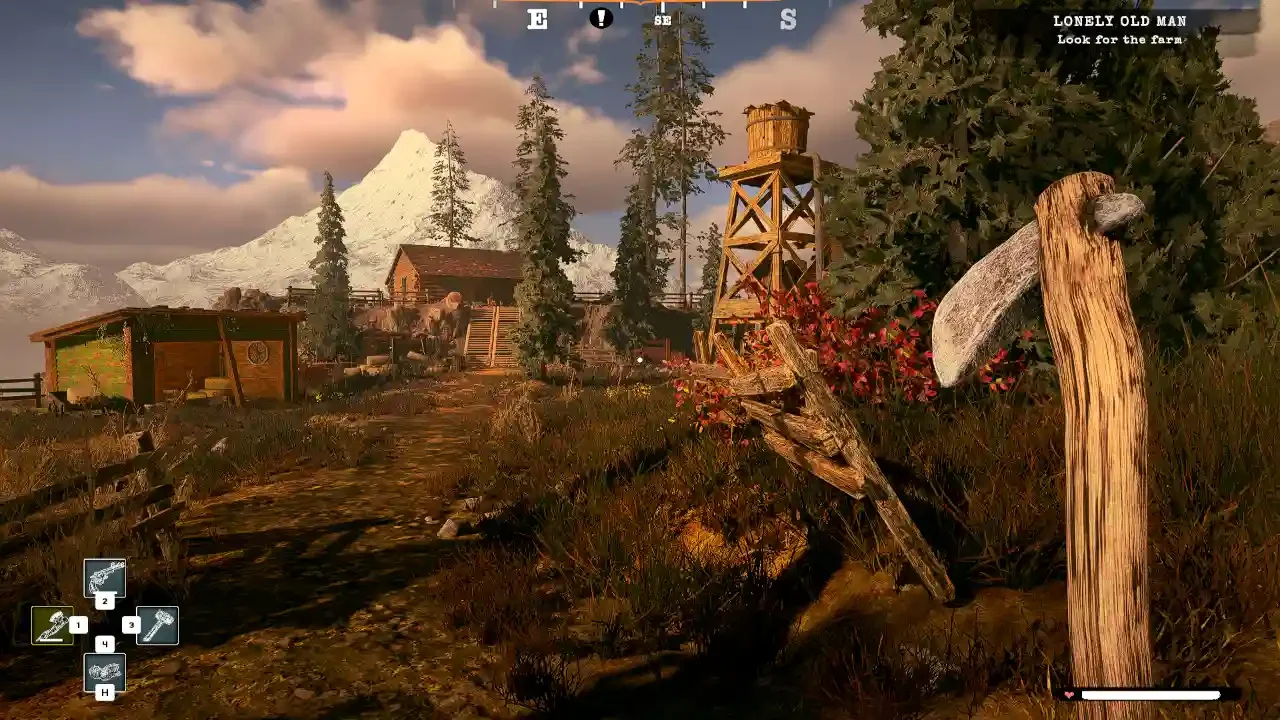
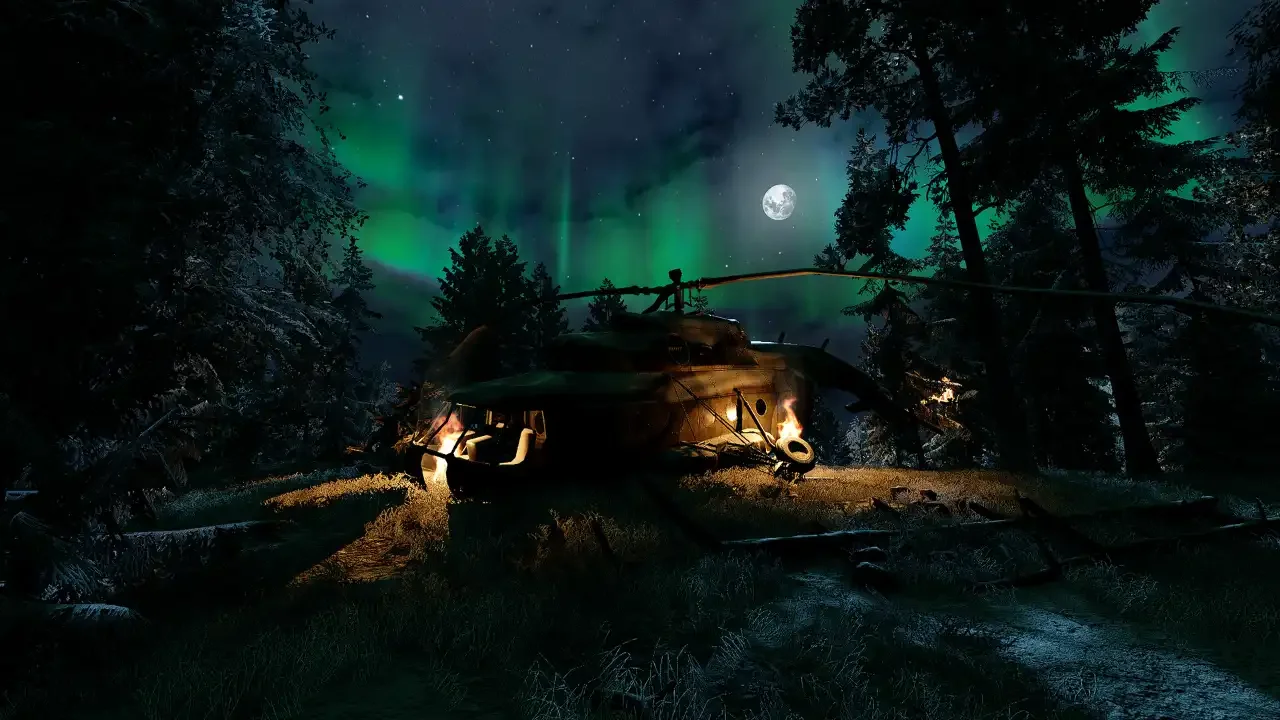
Before you even think about flying, loot absolutely everything inside the tutorial tower. Use your unarmed strikes to punch items and turn them into learned blueprints. Once you are outside, gather massive amounts of wood and fiber. Take your axe and smash every damaged barrel and box you see because that is the only reliable way to get Copper Nails early on. Finally, pull out your compass and scan the glowing wreckage scattered around your starting island. Scanning these parts unlocks the essential recipes for your Cockpit, Wooden Balloon, Wooden Engine, and Energy Generator.
You Have To Build A Water Boat First
Here is the part the game completely forgets to mention. You cannot build a flying ship on your starting island because you do not have a Flying Ship Core.
The core is floating on a tiny wooden platform out in the ocean. You literally have to craft a standard water boat, drop it in the surf, and paddle out to the shining waypoint to retrieve the item everyone has been looking for. Just roll with the absurdity of building a boat to go get your flying boat.
Assembly And Liftoff
Once you secure the core, do not overthink the layout. Your first ship will look like someone threw glue at a lumber yard, and that is completely fine.
Place the Cockpit first. This is mandatory because it activates your valid build area. Drop your Energy Generator, place a Wooden Engine for forward thrust, and add a Wooden Balloon for vertical lift. Now for the step that leaves most beginners stranded on the beach. You have to physically connect all of these components using Wooden Pipes. Nothing works wirelessly. Once the pipes are routed, manually drag wood from your inventory into the generator to start the fire.
Hit the interact key on your steering wheel. Use W and S to move forward and backward, Space to ascend into the sky, and Shift to descend. Before you do anything crazy, remember the hard lesson from my things I wish I knew guide. If you remove that Cockpit while airborne to redesign your deck, you permanently lose your spawn anchor and your ship will drift away forever.
The Blinking Yellow Light Of Death
This is the number one issue crushing new players right now. You build a massive deck, you slap down four fans to go faster, you attach two balloons to carry the weight, and then you hit the power switch.
Suddenly, the components start blinking yellow. They fidget, they twitch, but they do not actually function.
The game desperately needs a user interface panel that shows your total power output versus your required load. Until the developers add one, you have to do the math in your head. One basic Energy Generator cannot support a heavy load. If you are running two balloons and four engines, you absolutely need two generators. Anytime a component on your ship is blinking or jittering without actually engaging, you are starved for power. Build another generator, connect it to the network with pipes, and watch the lights turn green.
Upgrading The Core Terminal
The biggest complaint you will hear from the community is the mind numbing travel time. Drifting between the major islands can take upwards of ten minutes of real time. To fix this, you have to dump coins and resources into your Airship Core.
The Hard Truth About Upgrades
Paying for an upgrade at the core terminal does not magically make your ship better. It simply raises your maximum allowable cap.
If you buy a speed upgrade, your ship will not fly any faster until you physically craft and attach more engines to your hull. If you buy a size upgrade, an orangish grid will expand outward from your core, showing you the newly unlocked space where you can place blocks. If you buy an altitude upgrade, you still have to strap more balloons to your deck to actually generate enough lift to hit that new ceiling. The core upgrades only unlock the potential, your crafting stations have to do the rest.
The Brutal Reality Of Remodeling
Once you get some better materials, you will inevitably want to rip up your wooden floors and redesign your layout. This is where the early access jank rears its ugly head.
Currently, there is no dedicated ship editor menu. You cannot just pause time and drag your engines into a sleeker configuration. Worse yet, you cannot swim or dive underneath your floating platform. If you want to alter the bottom hull, you have to find a solid patch of land, park the ship awkwardly on a ridge, and crawl underneath it.
The building mechanics are also missing a few standard features. There is no button to rotate a block before you place it. If you want a wooden ramp to face a specific direction, you have to physically walk your character around to the correct angle and place it from there. Furthermore, when you inevitably place a block wrong and smash it with your pickaxe, you only get raw materials back. You must take those raw rocks or logs to a Block Station to process them back into usable building squares.
While you are waiting for your slow early engines to push you across the map, use that time productively. Process your raw ore, manage your inventory, or consult my Combat and Skills guide to plan your next level up. If you are playing with friends, you can assign someone to be the dedicated Engineer to manage the compass upgrades, but you still have to deal with the annoying multiplayer tethering limits while exploring.
Build your generators, process your dirt, and prioritize upgrading that core. The sky is massive, but it is infinitely more manageable when your ship actually responds to the controls.