EU5 Markets Guide: Stop Bleeding Ducats
If you thought fighting a three-front war was stressful, wait until you try to understand why your gold income just dropped by 40% because of a fluctuation in the price of fish.
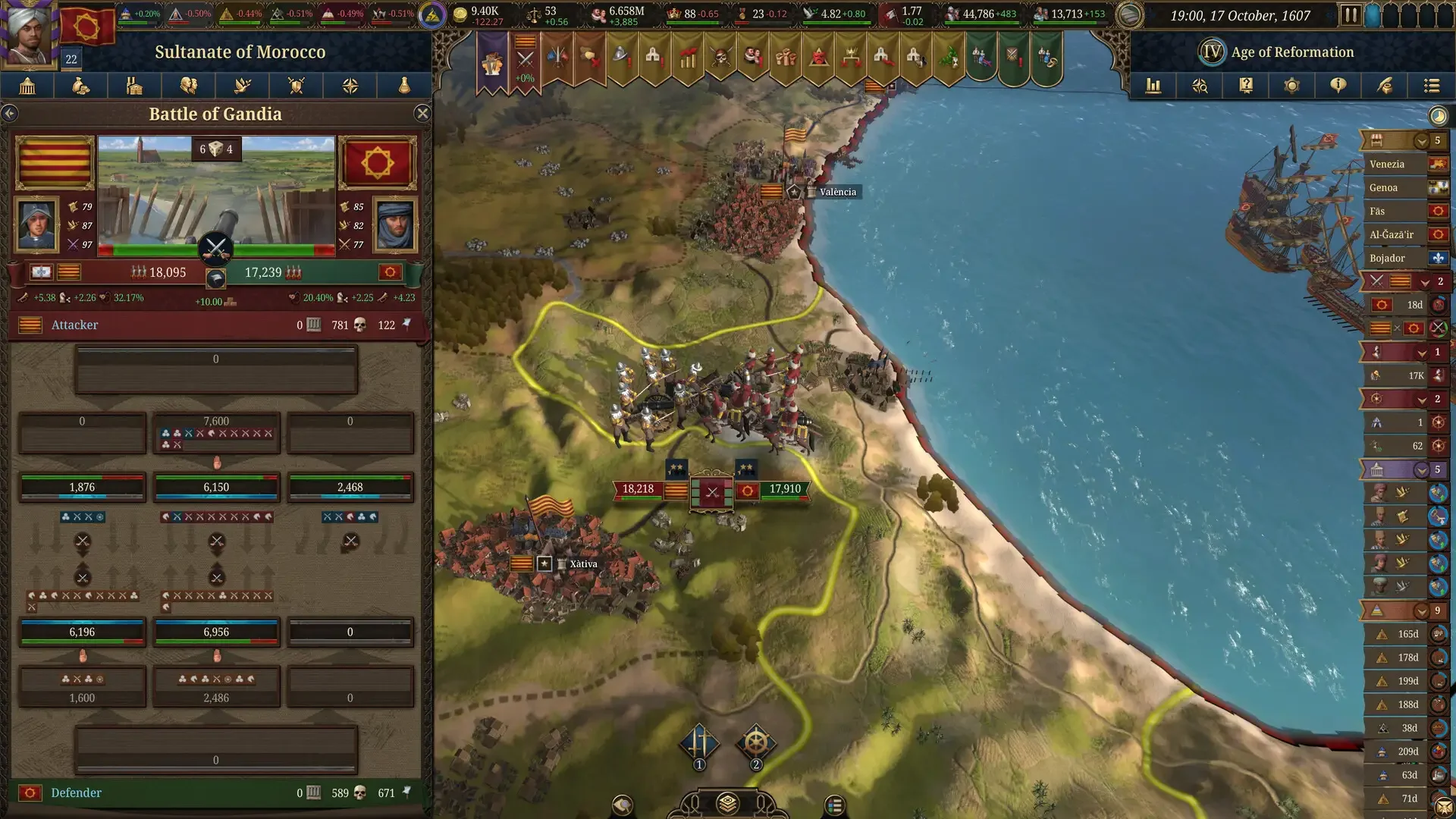
I have spent decades playing strategy games, and I can tell you that the trade system in Europa Universalis 5 is a beast. It is not just about drawing a line from point A to point B; it is a simulation of supply, demand, and the crushing weight of "Trade Crapacity". Whether you are trying to turn a profit or just trying to keep your pops fed, the market is the lifeblood of your nation. I am going to break down how this mess works so you can stop bleeding Ducats.
The Market Center: Your Economic Heartbeat
Everything revolves around the Market Center. In the early game, you are going to be thrown into the market nearest your capital. Think of a Market not as a single country, but as a coalition of nations all yelling at each other in a dedicated trade network.
If you are lucky enough (or violent enough) to own the Market Center, you get some serious perks. It is not just about bragging rights; the owner gets a massive boost to Institution Growth and Migration Attraction, meaning smarter people move to your city faster. You also get a bump to your Maximum Stockpile Capacity, allowing you to hoard more goods.
The Power to Destroy
The best part of owning the market is the ability to be petty. You can embargo other countries within your market to stop them from setting up new routes. Sure, they will hate you for it, but business is business. If you really want to watch the world burn, you can even destroy a Market entirely, though it will cost you a chunk of Stability and Prestige.
The Mathematics of Misery (Supply and Demand)
I have seen plenty of people complaining that the market feels like "random numbers" going up and down every month. It feels random, but it is actually a complex formula involving "Price Stability," which changes depending on the current Age.
Prices trend toward a "Target Price" based on the ratio of Effective Supply to Effective Demand. Here is the kicker: the game weighs your manual trades differently than the trades your Estates (the Burghers) make. Manual imports are weighted at 0.5 in the formula, while Burgher imports are weighted at 0.75.
Weaponizing Imports
This means you can manipulate the market. If your Burghers are importing something and you want to crash the price to make it unprofitable for them, you can manually import that same good. You effectively flood the market, drop the price, and force the AI to reconsider its life choices.
To Automate or Not to Automate?
This is the question that tears the community apart. On one hand, manual trading gives you control. On the other hand, it is absolutely maddening. I have seen players initiate a trade, only to have it cancelled a month later due to a "good shortage" even when the stockpile is full. You also have to deal with "Trade Advantage," which determines the queue order for who gets to buy goods when there aren't enough to go around.
The "Wood to Books" Strategy
If you want to make money without micromanaging every single trade route, you need to create your own demand. One of the best strategies I have seen involves building a vertical supply chain. You produce Wood, which your Paper makers buy. Then, your Book binders buy the Paper. Finally, you build Libraries and Universities to buy the Books.
You are taxing the transaction at every single step of this process. By the time that log becomes a book, you have made money four times over. This is much more reliable than trying to play the international market manually, where the AI's mistakes can "ruin the economy" if you aren't careful.
Understanding Trade Capacity
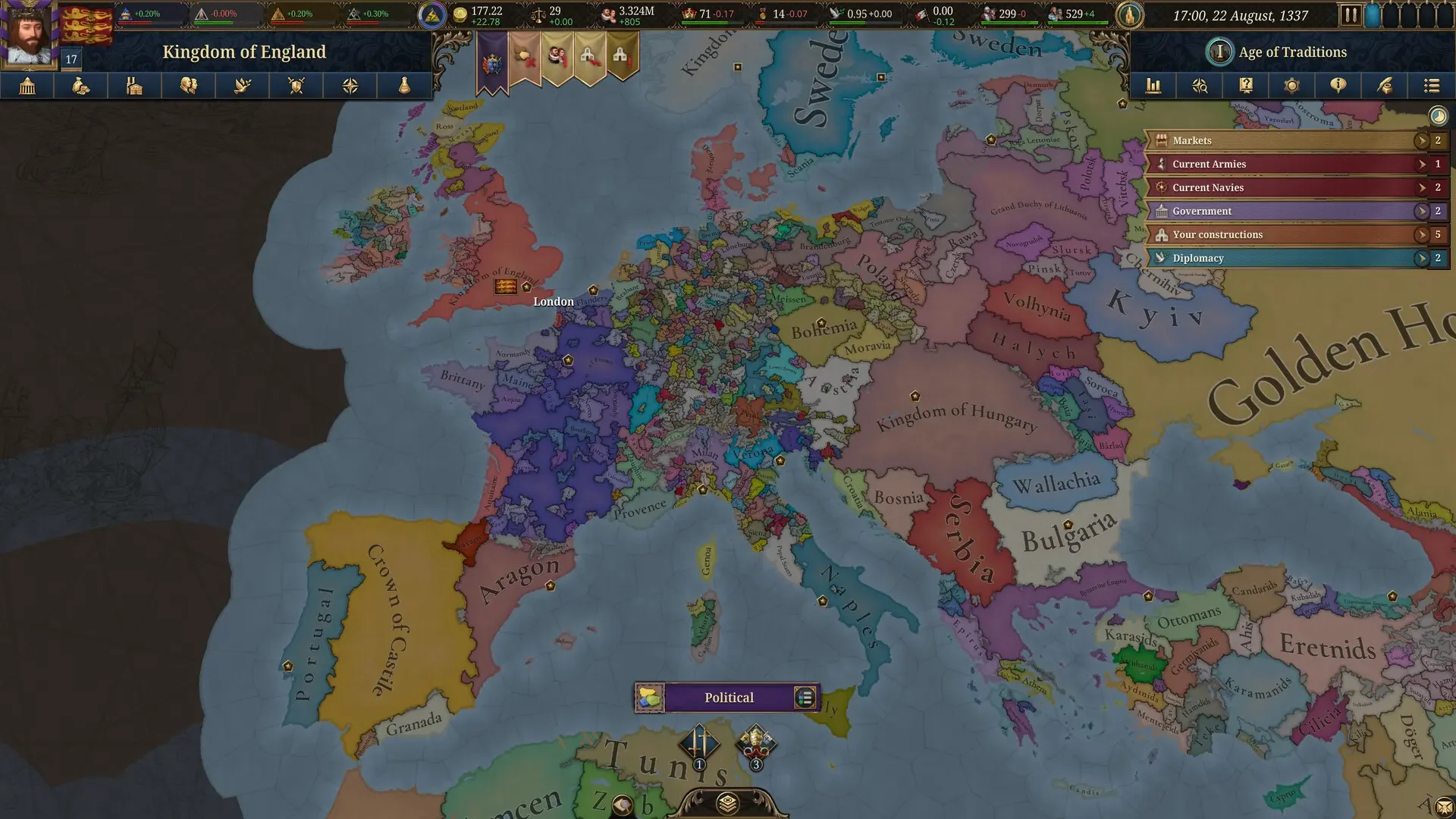
You cannot just trade infinite goods. You have a "Trade Capacity" limit, which is primarily provided by your buildings. Every trade you make eats into this capacity.
Distance Matters
The cost of doing business isn't flat. The maintenance cost of a trade route is calculated by the amount of goods multiplied by the transport cost and a distance modifier. Basically, trading with your neighbor is cheap. Trading across the continent is going to eat up your Trade Capacity very quickly for very little return.
Taking Control: Creating a New Market
If you are tired of playing by someone else's rules, or if your market access is terrible, you can just start your own casino. You can use the "Create Market" button in the Economy tab.
The Requirements
You can't just pop up a market in the middle of nowhere. The province needs to be an urban location, or the current market attraction needs to be under 25%. It takes three months to establish, and it costs a scaling amount of Gold based on the location's attraction. Once you build it, neighboring locations will recalculate and decide if they want to join your new economic empire or stick with the old one.
The Crown's Cut
Here is the final insult. You do all this work, you balance the books, and you don't even get to keep all the money. Trade profits are split between the Crown and the Estates. Only the Crown's portion goes into your national Treasury. If your Crown Power is low, your Estates are getting rich while your national bank account stays empty. You need to keep your Crown Power high if you actually want to use that trade money to build an army or improve your nation.