Forza Horizon 6 Drifting Guide: How to Master the Mountain Passes
Sliding a car across the Japanese mountain passes requires a lot more than just ripping the handbrake and praying.
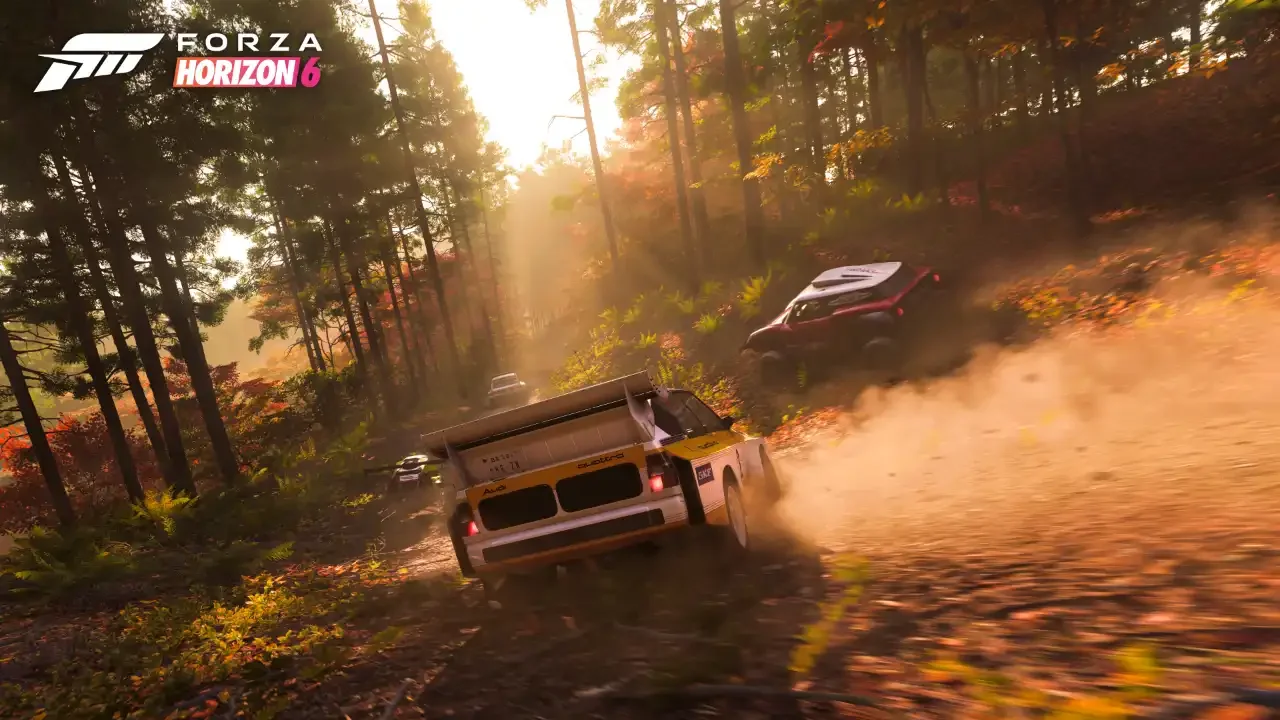
If you grew up watching Tokyo Drift on repeat on a scratched DVD (guilty as charged), the new map probably has you itching to hit the Touge routes. Almost anyone can accidentally kick the back end of a car out by slamming on the brakes too hard going into a tight corner. Turning those accidental slides into long, sweeping chains of movement across an entire mountain pass requires a deep understanding of weight transfer and throttle control. I spent countless hours testing builds and tuning setups to help you nail the angle.
Choosing the Right Chassis
Technically, you can force anything to drift if you throw enough momentum at it. Taking a heavy land yacht like the Lincoln Continental and hurling it sideways just makes the process miserable.
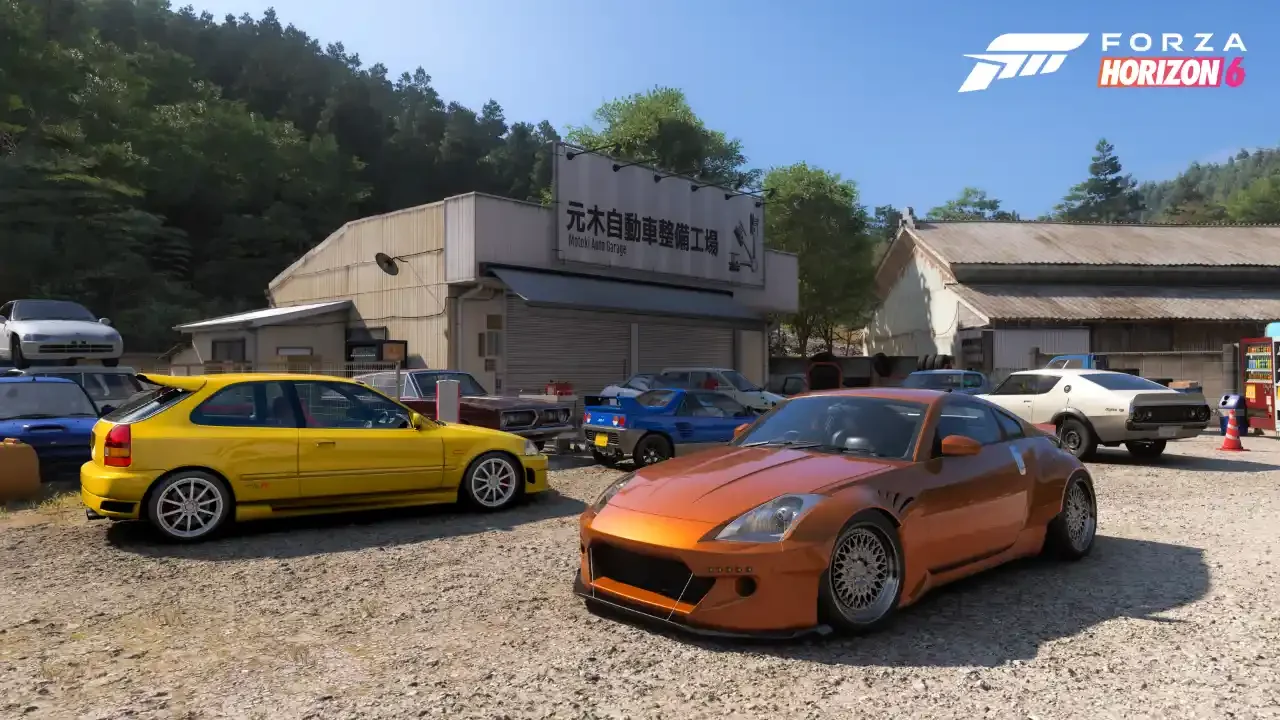
The best way to secure predictable weight transfer is to pick a vehicle featuring a front-mounted engine and a rear-wheel drive layout. The rear-wheel drive configuration naturally wants to kick the back tires out under heavy throttle. Browse the Autoshow and check the bottom left of the screen for engine placement and drivetrain. The Mazda RX-8 R3, Nissan Silvia Spec-R, Toyota GR86, Toyota Supra RZ, or Toyota Sprinter Trueno GT Apex all serve as excellent starter platforms.
Mandatory Difficulty Settings
Opening the difficulty settings and making a few crucial adjustments is required. The default driving assists are actively designed to stop the loss of traction.
Turn Traction Control completely off. This system desperately tries to keep the tires glued to the asphalt, and that grip instantly kills any slide you attempt. Turn Stability Control off so the car allows you to hold horizontal angles. Finally, turn off Anti-Lock Braking. Disabling ABS gives you aggressive control over weight transfer when you stomp on the brakes, allowing you to manually force a slide on demand.
Core Drifting Techniques
Once the car is built and assists are disabled, you have a few ways to initiate a slide depending on transmission settings and corner layout.
The Standard Handbrake Drift
As you approach a corner at a decent speed, apply the footbrake using the left trigger while steering into the turn. This shifts the weight forward and causes the rear tires to lose grip, putting the car into oversteer. Once the back end steps out, tap the emergency brake to lock the rear wheels and extend the slide. This technique gives you the flexibility to correct your angle mid-corner if you misjudged your entry speed.
The Clutch Kick
Switching the shifting method to Manual with Clutch unlocks an aggressive technique. Enter a turn and steer while keeping your foot completely off the gas pedal. Suddenly slam on the accelerator while quickly pressing and releasing the clutch button. This sends an immediate jolt of power to the rear wheels, breaking traction and causing an instant oversteer. This trick creates an artificial burst of momentum, letting you slide lower-power cars through slow, tight hairpins.
Upgrading the Build
A stock vehicle from the dealership handles basic sliding, but installing purpose-built parts makes the car predictable.
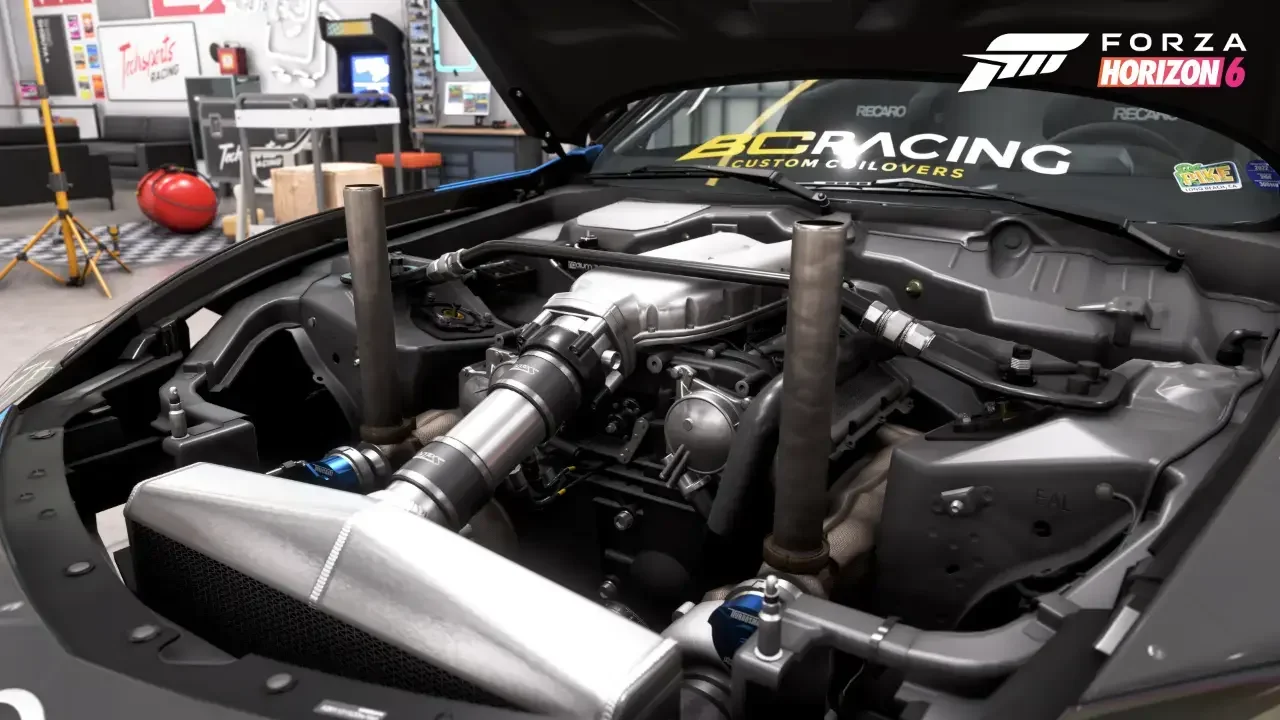
A common mistake involves engine swaps. Don't just buy the most expensive V12 engine available. Drifting requires a delicate balance of horsepower and torque to keep wheel spin consistent. Pick an engine where the foot-pounds of torque and horsepower numbers sit roughly equal. This balance ensures the tires spin at a steady rate without instantly redlining and snapping the car around.
Install a dedicated drift four-speed transmission, the specialized drift tire compound, and drift-specific springs and dampers. Put wider tires on the rear and install a rear spoiler. These two upgrades add just enough grip to stop you from completely spinning out when applying heavy throttle mid-corner.
The Baseline Drift Tune
Throwing expensive parts at a chassis is only half the battle. You have to open the tuning menu to get the ride behaving predictably on the asphalt. The baseline tune below applies to almost any rear-wheel drive build.
Tire Pressure: Drop the front close to 31.0 PSI and raise the rear to 55.0 PSI. This pressure difference ensures the front tires maintain steering grip while the rears spin freely.
Springs & Anti-Roll Bars: Soften the suspension significantly across the front and rear. This allows the car's weight to shift smoothly into a corner rather than snapping violently.
Brake Balance: Shift the braking bias heavily toward the rear tires (around 30%). Doing this makes the handbrake much more effective at locking the back wheels on demand.
Alignment (Camber): Set the front to full negative (-5.0 degrees) and the rear to slightly negative (-1.5 degrees). Negative camber keeps the maximum amount of tire tread on the pavement when the car is pitched sideways.
Alignment (Toe & Caster): Increase the front Toe out to +0.5 degrees and push the front Caster high to +7.0 degrees. High caster angles force the steering wheel to auto-center much faster, making counter-steering feel automatic.
Knowing When to Slide
Reserve these techniques for dedicated Drift Zones, farming skill points, or free roam. If you are trying to maximize skill point returns on straightaways, gently throw the car into shallow zigzag drifts back and forth across the lane to keep the multiplier alive.
Don't drift during a competitive circuit race. Sliding burns forward momentum. Taking a corner using proper racing lines with high grip results in a consistently faster lap time. Keep the handbrake strictly reserved for emergencies where you need to save a bad oversteer.