Monster Hunter Stories 3 Tips: Everything I Wish I Knew Before Playing
Before you end up spending your entire weekend throwing yourself against a Feral Monster because you misunderstood the combat loop, you need to read this.
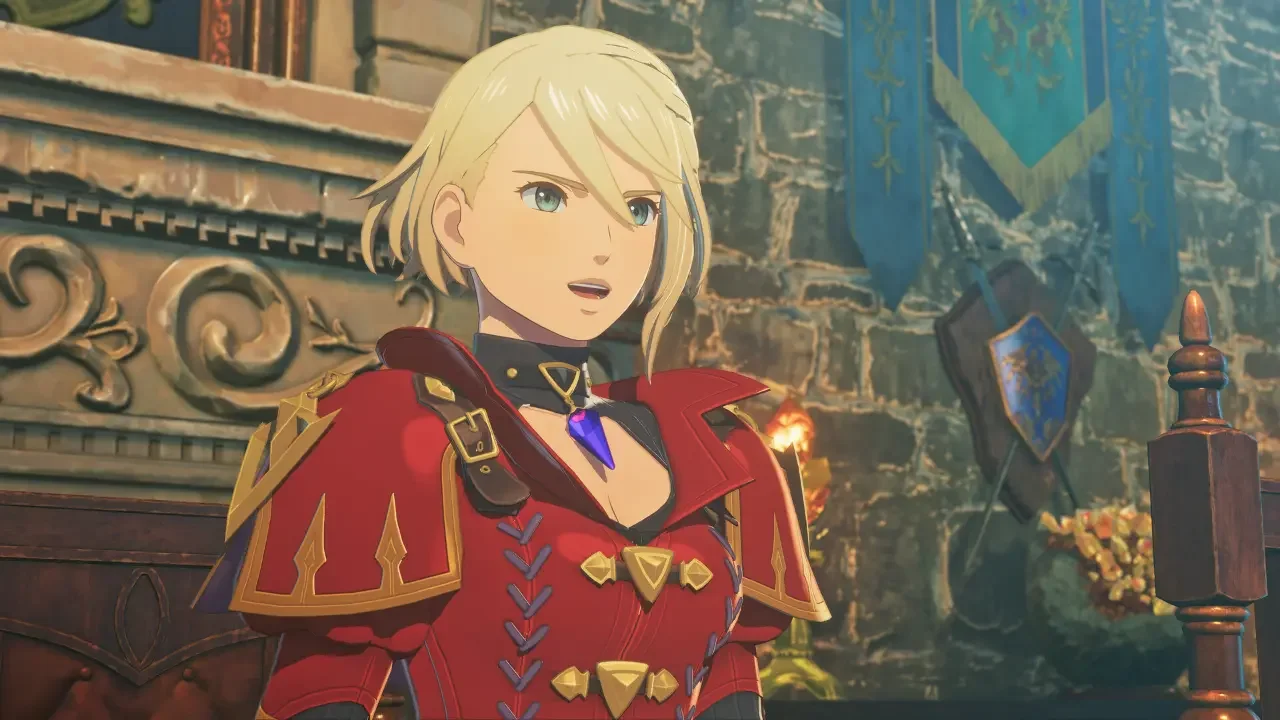
Capcom's latest monster catching RPG is easily the deepest game in the spin off franchise. It is also terrible at explaining some of its best mechanics. You can easily dump forty hours into this game without realizing you are making the grind twice as hard on yourself. I have already waded through the mud, hatched more digital eggs than I can count, and figured out the optimal path forward so you do not have to suffer.
Here is exactly what you need to focus on to build an overpowered party, farm materials efficiently, and completely break the economy.
The Never Ending Egg Hunt
You are going to spend a ridiculous amount of time looking at eggs. Every time you see a monster den spawn on the map, you need to go inside.
Each den guarantees at least one egg, and you can carry up to twelve of them in your inventory at once. Do not just grab the first one and run. You want to constantly extract eggs and hatch them in batches at a Stable in town or at one of your campsites. The core of this game revolves around having a massive roster of monsters, not just for fighting, but for managing the overworld.
You need specific beasts just to navigate the map. If you want to know exactly which monster climbs walls or swims, check out my complete list of Monstie riding actions.
Habitat Restoration is Your Real Goal
The game introduces Feral monsters early on. These are essentially mutated, highly aggressive variants blocking potential campsites. Once you clear them out, you unlock the ability to rehabilitate the local habitat by releasing your benched monsters into the wild.
This is not just a cute environmental feature. It is the most vital progression system in the game. By releasing multiple monsters of the same species into a region, you drastically increase your chances of finding rare eggs. Push it far enough, and you will start triggering mutations. This is how you find absolute heavyweights like the Pink Rathian or the Dreadqueen Rathian. You can even introduce alien monsters to a habitat to force them to take on local elemental properties.
If you want the deep dive on manipulating these spawns, read my MHS3 egg farming and habitat guide. Also, if you are struggling to even reach these habitats, make sure you understand the fast travel system by checking out my guide on Feral Monsters and Catavan stands.
Gene Harvesting is Totally Free Now
Veterans of the older games know the absolute nightmare of gene splicing. You used to have to sacrifice beloved monsters just to extract a single gene. Capcom finally fixed it.
Every monstie has a nine slot gene board that works like a bingo card. Lining up matching colors or attack types gives you massive passive stat boosts. The brilliant change in this game is that you can now swap gene positions or remove them entirely without any penalty. You do not lose the monster. You can strip a low level capture of all its useful genes, slap them onto your main fighter, and then casually release the stripped monster back into the wild for habitat restoration. It is incredibly efficient.
Stop Stressing Over Head to Head Combat
The combat tutorial makes a massive deal out of the Rock Paper Scissors mechanics. If you or a party member target an enemy that is also targeting you, it triggers a Head to Head clash.
Here is the truth. Losing a clash is not a big deal. Winning gives you a damage boost and ensures you survive the turn, but you will still take some damage regardless. Instead of agonizing over predicting every single enemy attack, you need to focus on breaking monster parts.
Targeting specific limbs with the correct weapon type will stagger the boss and physically disable their most dangerous attacks. Breaking parts fills your Kinship Gauge faster than anything else, and it guarantees rare material drops.
Exploit the Kinship Gauge
Once your Kinship Gauge is full, you can mount your monstie in the middle of combat. Doing this grants you a secondary health bar. This is your ultimate safety net during brutal boss fights.
While riding, you can unleash a devastating Kinship Skill. If your partner is also riding, you can trigger a Duo Kinship Skill, which will almost always stagger the target. The catch is that if your temporary riding health bar gets completely wiped out by enemy damage, your monstie drops to exactly 1 HP and you are immediately dismounted. Always spend your Kinship Skill before that secondary health bar breaks.
Easy EXP and Barrel Felynes
Do not ignore gathering nodes in monster dens. Every time you mine ore or pick herbs, your entire party gets a cut of the experience points. If you bring a severely underleveled monster into your active party, the game rubberbands their EXP gain, allowing them to catch up to your main roster in a matter of minutes.
While exploring, you can use your mount's melee attack to instantly kill low level monsters in the field. It skips the combat screen entirely while still rewarding you with materials and EXP.
If you spot a Barrel Felyne, drop everything and engage. These little cats are the ultimate EXP pinatas, but they will run away instantly if you do not handle them correctly. They only take meaningful damage from explosives. You can waste your crafted bombs on them, or you can just put Kora in your party. Kora has an innate ability that instantly lobs a Barrel Bomb at all enemies the second she sees a Barrel Felyne. It wipes them out immediately. If you need to restock your manual explosives for regular combat, you can find the crafting requirements in my MHS3 combination recipes guide.
Fill Your Decoration Slots
Finally, check your gear. Every weapon and armor piece you craft has decoration slots. I see players ignoring these constantly because the menu is slightly tedious.
Do not be lazy. Weapon decorations give you active combat skills, while armor decorations provide massive passive buffs that will outright save your life during endgame encounters. A good decoration loadout is often the difference between getting flattened by a late game boss and walking away with a pocket full of their scales. And if you are tired of looking at mismatched armor sets while optimizing your stats, you can always cover it up. Check out my guide on unlocking layered armor and the Capcom ID outfit to fix your horrific fashion choices.