Monster Hunter Stories 3 Egg Farming & Habitat Guide: Playing God With Dinosaurs
Stealing babies from giant fire breathing lizards is somehow the least morally questionable thing you will do in this game.
Capcom has essentially handed us the keys to a digital Jurassic Park and told us to figure it out. If you are just running into random caves and praying to the RNG gods for a decent monstie, you are doing it wrong. The ecosystem in this game is highly malleable. You can force specific monsters to retreat, guarantee their eggs, and literally alter the genetic makeup of entire species by dumping alien creatures into foreign habitats. It is a terrifying amount of power, and I am going to show you exactly how to abuse it so you can build an unstoppable roster.
The Basics of Monster Poaching
Before you start trying to breed a god tier Dreadqueen Rathian, you need to understand the fundamental loop of den raiding.
Monster dens spawn randomly across the open world map. Every time you see a cave icon, you should probably go inside. Once you reach the nest at the back of the den, you can rummage through it to find an egg. Your rider will pull one out, and you have the choice to keep it or toss it aside to dig for another. The catch is that a nest will eventually run dry, or the furious mother will show up to cave your skull in. You can carry a maximum of twelve eggs in your inventory at any given time.
Once your pockets are full, you take them back to a Stable in any major town or campsite to hatch them instantly. You want a massive variety of beasts, not just for combat, but because exploration relies entirely on having the right creatures. If you are sick of staring at ledges you cannot climb, check out my breakdown of all MHS3 riding actions and the monsties that have them.
Forcing Monster Retreats
Relying on random egg spawns is a great way to waste an entire afternoon. If you want an egg from a specific monster, you need to traumatize it into fleeing the battle.
When a large monster loses all its HP and decides to run away, a special Monster Den immediately spawns nearby. Inside that specific den, you are guaranteed to find nests containing eggs of the exact monster you just fought. It completely removes the guesswork.
To actually trigger a retreat, you need to hit two specific criteria. First, you have to score an S Rank during the battle. This means breaking parts, winning Head to Head clashes, and wrapping the fight up quickly. Second, you need to hit the monster with a Paintball when its health is incredibly low. I am talking roughly 25 to 30 percent HP remaining. Throwing a Paintball at a healthy target is just wasting resources. If you are running low on supplies, you can reference my MHS3 combination recipes list to craft more Paintballs on the fly.
Habitat Restoration and Triggering Mutations
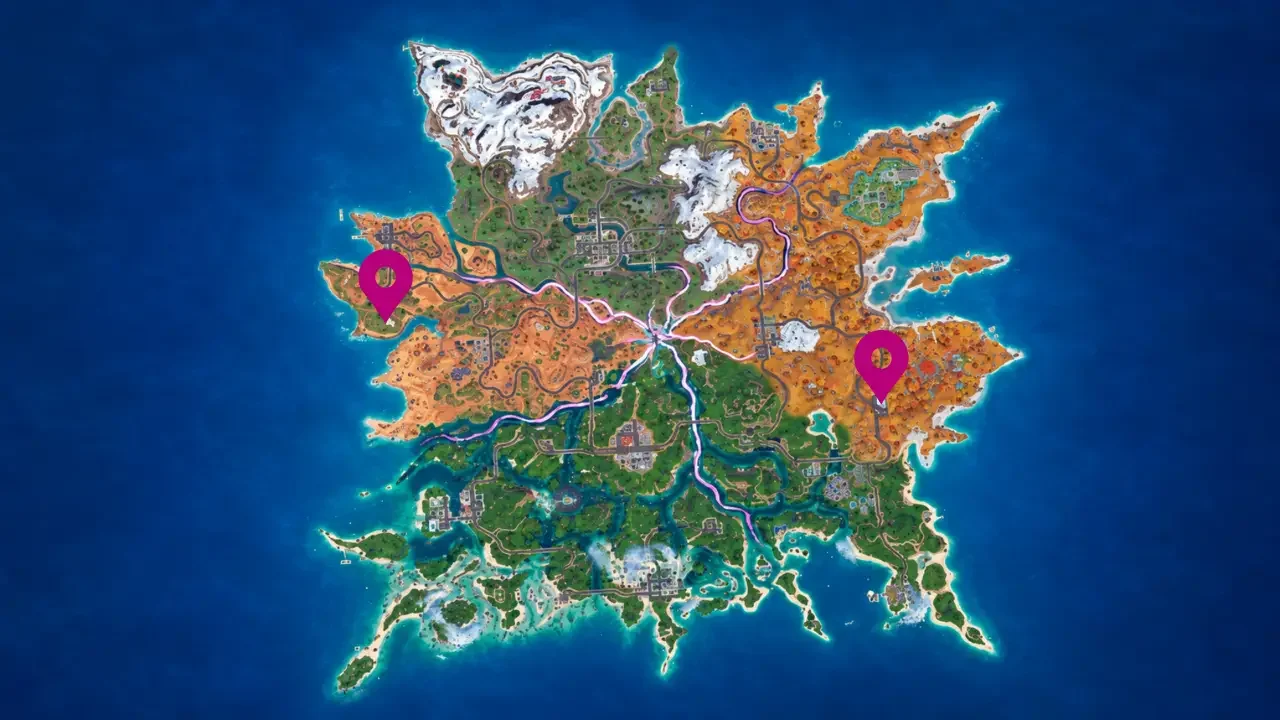
This is where the game stops being a simple RPG and turns into a full blown ecological simulator. The real endgame of Monster Hunter Stories 3 revolves around the Habitat Restoration system.
Before you can restore a region, you have to clear out the local Feral Monster. These are essentially mutated bosses that block you from establishing new campsites. If you keep getting flattened by them, I highly suggest reading my MHS3 tips for beginners to get your combat strategy in order, or check my Feral Monsters and fast travel guide to understand how to track them.
Once a camp is established, you can use the Stables to release your benched monsters into that specific habitat. Do not horde low level junk in your storage. Release them. When you introduce multiple monsters of the same species into an area, you dramatically increase the spawn rate of rare eggs for that species.
Forcing Genetic Nightmares
Push a species population high enough in a region, and you will start triggering mutations. Releasing a bunch of standard Rathians is exactly how you spawn Pink Rathian and Dreadqueen Rathian eggs in local dens.
It gets even weirder. If you introduce a monster to a habitat that it absolutely does not belong in, it can absorb the local elemental properties. Dropping a desert dwelling creature into a frozen wasteland might sound like animal cruelty, but it results in unique elemental variations of that monster. This is how you completely break team synergy and cover your elemental weaknesses.
Habitats and Their Elements
To properly manipulate these elemental mutations, you need to know exactly what energy each region possesses.
Optimizing the Grind
Do not be afraid of hatching a mountain of low level monsters while you are doing this. The game shares experience points across your entire active party. You can easily drag a freshly hatched, level one mutation into a high level zone, mine a few gathering nodes, and watch it skyrocket in power in a matter of minutes.
Keep poaching, keep releasing the weak ones to manipulate the ecosystem, and you will have a terrifying roster of elemental monstrosities before you even hit the final boss. And seriously, if you are sick of your rider looking like a mismatched clown while you do all this farming, go grab the MHS3 Capcom ID layered armor so you can at least look decent while you ruin the local environment.