Minecraft 26.2 Biomes: Surviving The Sulfur Caves And Beyond
Keeping track of Minecraft's 80 distinct environmental zones is the easiest way to avoid losing your inventory to a surprise hazard.
The days of just wandering through basic plains and predictable oak forests are long gone. The game's ecosystem is incredibly diverse, and knowing the difference between a sparse jungle and a pale garden dictates whether you'll find a rare mob or get completely overwhelmed by one. Finding the perfect spot to build a home base or gather specific materials completely changes your survival experience.
Finding Safety In The Overworld
If you want the absolute safest environment possible, you'll want to track down a Mushroom field. These rare islands are entirely covered in soft mycelium, and zero hostile mobs spawn naturally here. Even the deep caves directly underneath these islands stay completely free of creeping threats. It's an ideal place to set up your primary storage without needing to blanket the ground in torches.
Oceans plunge over 30 blocks deep and house massive Monuments guarded by Elder Guardians. If you prefer a much more relaxing swim, Warm oceans are filled with bright coral reefs and sea pickles, which make excellent underwater light sources.
For a muddier aesthetic, Swamps are flat landscapes full of slimes, vine-covered oak trees, and witches hiding out in swamp huts. The Mangrove swamp offers a warmer variation packed with thick mangrove trees and mud blocks. Both of these swamp variations are your best spots for catching friendly frogs to populate your base.
Deserts are massive stretches of sand where husks and camel husk jockeys replace standard zombies. You can find regular camels roaming around here alongside loot-filled Desert Pyramids. Savannas stretch out as flat plains with dull-brown grass and acacia trees, marking the only place you'll spot armadillos.
If you need a visually striking landscape, seeking out the Badlands is highly rewarding. Made almost entirely of colorful terracotta layers, these biomes feature exposed mineshafts directly on the surface. They also hold extremely high concentrations of gold ore, making them the perfect destination if you need to craft powered rails.
Navigating Hazardous Forests And High Peaks
Standard oak forests are perfectly safe during the day, but Dark forests require much more caution. The dark oak tree canopy is so incredibly thick that hostile mobs spawn in broad daylight, and this dense foliage hides the sprawling Woodland Mansions.
The Pale garden is an even creepier destination. This rare biome replaces dark oaks with pale oaks draped in eerie hanging moss. The sky turns completely gray, and the game music actually stops playing the moment you step inside. Some of these trees hide a creaking heart, which spawns a creaking mob to hunt you when night falls.
Builders looking for serious altitude can climb Jagged peaks and Frozen peaks that hit the world height limit. Goats, polar bears, and strays roam these freezing zones. Heading further down the slopes reveals peaceful Meadows filled with flowers and beautiful Cherry groves packed with pink-leaved trees.
The Newest Threat: Sulfur Caves
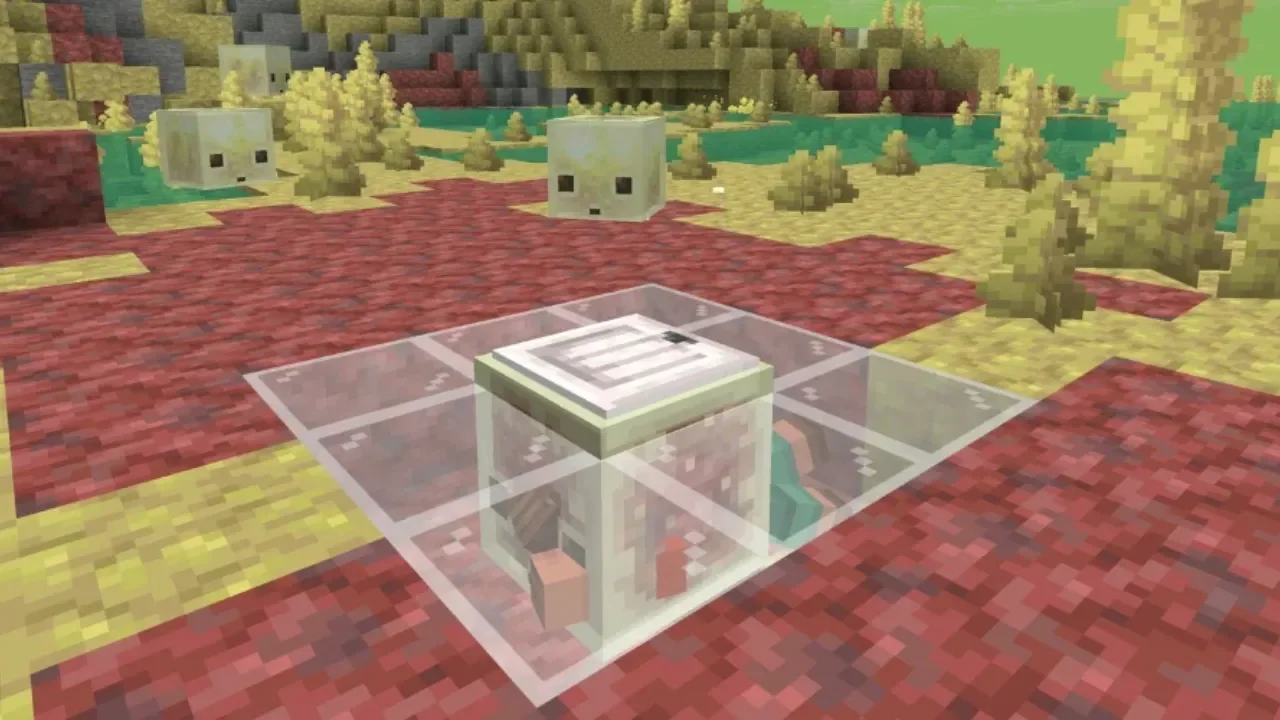
The recent 26.2 update, which launched on June 16, brought a massive subterranean overhaul. The Sulfur Cave is the headline feature and introduces a stunning volcanic palette inspired by real geothermal springs.
Finding these caves is simple if you look for surface clues. An easy tell is spotting an open Sulfur spring on the surface. If you see bubbling yellow water surrounded by yellow blocks on the grass, digging directly underneath gives you a massive chance of dropping straight into a sprawling cavern.
These caves are painted with bright red Cinnabar and yellow Sulfur blocks. You can craft these minerals into a whole new family of stairs, slabs, walls, and bricks. Earning those materials requires navigating a lot of environmental traps. Sulfur pools are scattered everywhere, and they hide Potent Sulfur blocks beneath the surface. These blocks constantly vent noxious gas clouds. I learned the hard way that getting too close to the steam hits you with a violent Nausea effect.
Combat is also tougher down here. This is the only biome where Cave Spiders spawn naturally outside of a mineshaft. You'll also encounter the brand new passive Sulfur Cube mob jumping around the darkest corners. Bridging over the water to avoid the toxic gas keeps your vision clear and makes handling the spiders much easier. I highly recommend packing a stack of decent food before you start digging down.
Braving The Alternate Dimensions
Stepping through a portal requires an entirely different level of preparation. The Nether is built to punish you, and I strongly advise brewing multiple fire resistance potions before doing any serious mapping in these biomes.
Nether Wastes: This is the standard terrain made of netherrack. You'll deal with ghasts, zombified piglins, and lava falls just about everywhere.
Soul Sand Valley: Movement is incredibly slow on soul sand. The area is packed with exposed fossils, thick blue fog, and a heavy population of aggressive ghasts and skeletons.
Crimson Forest: A zone of dense red vegetation. It's highly dangerous due to aggressive hoglins and roaming piglins constantly looking for a fight.
Warped Forest: A much safer, blue-tinted forest. Only endermen and striders spawn here, making it a great place to catch your breath.
Basalt Deltas: The terrain here is chaotic, made entirely of basalt and blackstone. Constant magma cube spawns make navigation incredibly frustrating.
Once you're ready to face The End, you'll start on a central island made of end stone suspended in a void. This area is completely dedicated to your fight with the Ender Dragon.
Winning that fight grants access to the outer islands. The End midlands feature the sprawling End Cities where you can finally loot your Elytra for sustained flight. The End highlands are the only places you can harvest tall chorus trees. Keeping your eyes firmly glued to the ground is a great survival habit here. Endermen spawn in massive numbers and will easily knock you into the void if you accidentally look at them.
What Comes Next: The Dappled Forest
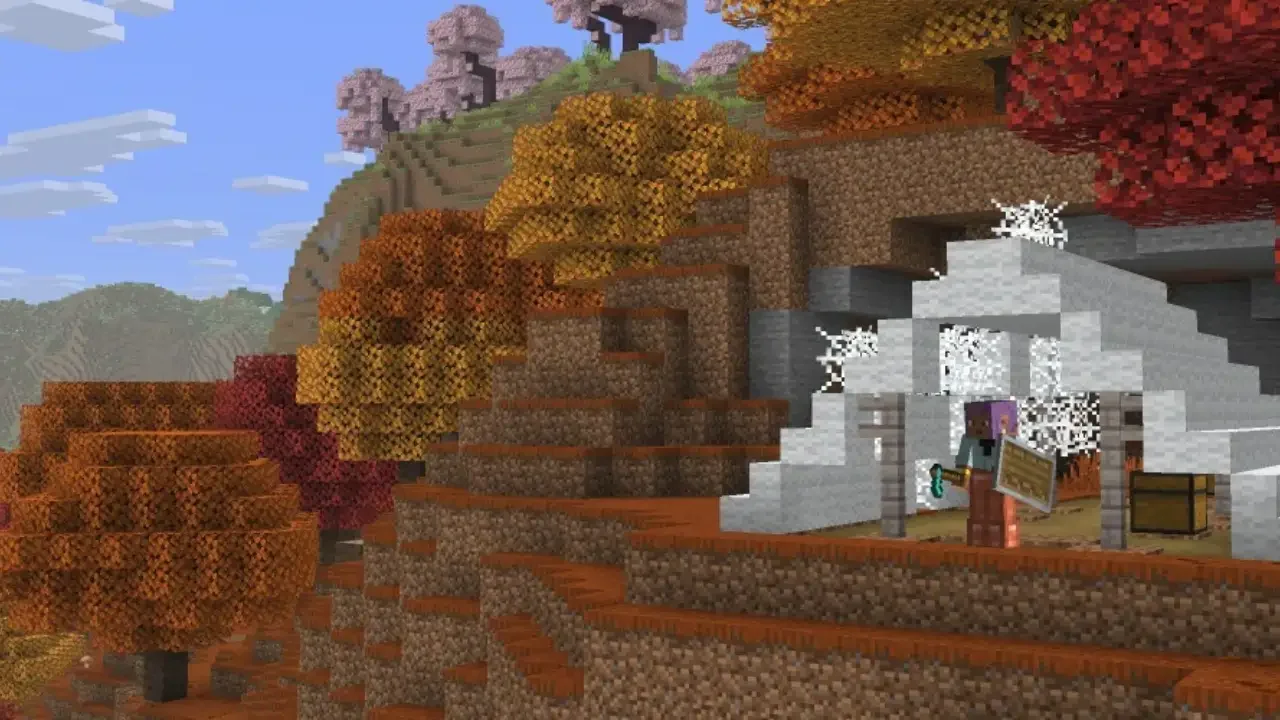
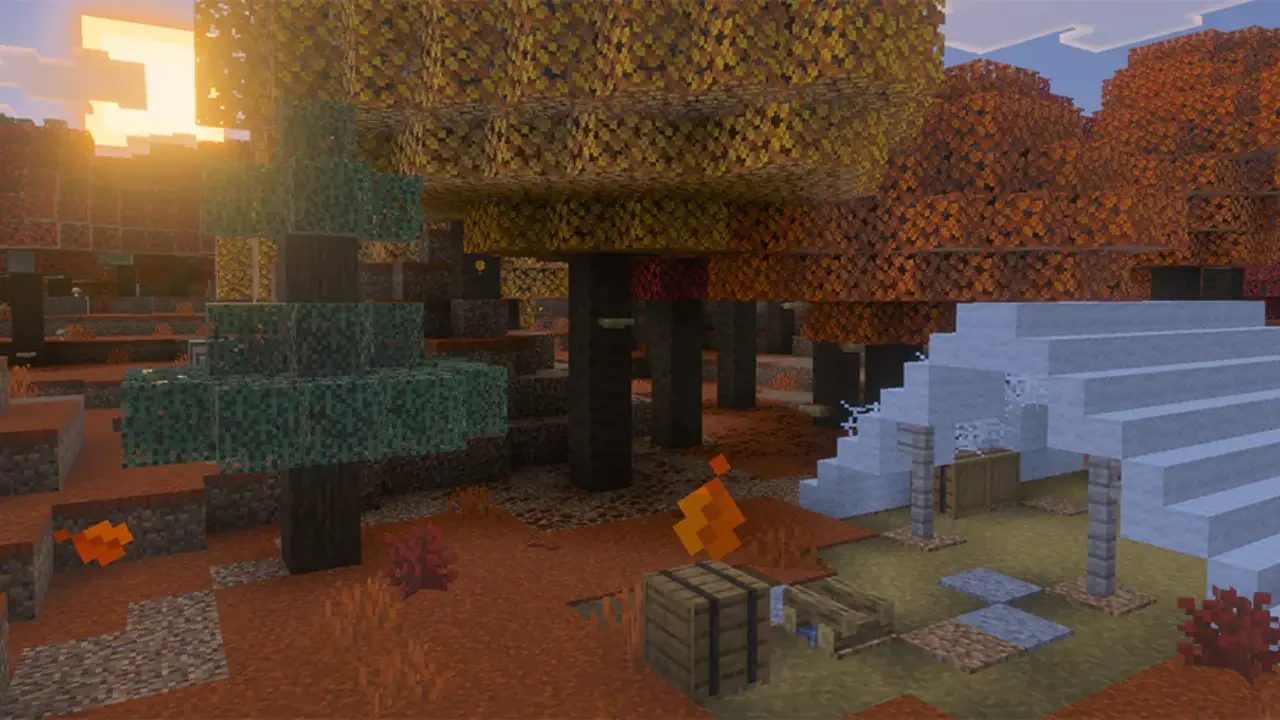
Mojang is already teasing a huge aesthetic shift for surface explorers. Announced for the Third Drop of 2026, the Dappled Forest is a cozy autumnal region that brings Poplar trees into the game.
These trees introduce a brand new beige-gray wood type to your building arsenal. The grass features a distinct orange-brown tint, and the ground is covered in red shrubs that miraculously keep their bright color no matter where you plant them.
The most exciting addition in this biome is the Abandoned Camp structure. You'll find a tent, some storage containers, and a bed. More importantly, these tents feature white wool stairs. The moment this update hits, you'll finally have the ability to turn any color of wool into a soft stair block. This is a massive win for designing cozy interiors and soft furniture.