New York AG Sues Valve Over Illegal Gambling and Loot Boxes
The state of New York is officially taking Valve to court, arguing that the loot box mechanics in some of the most popular PC games in the world operate as illegal gambling.
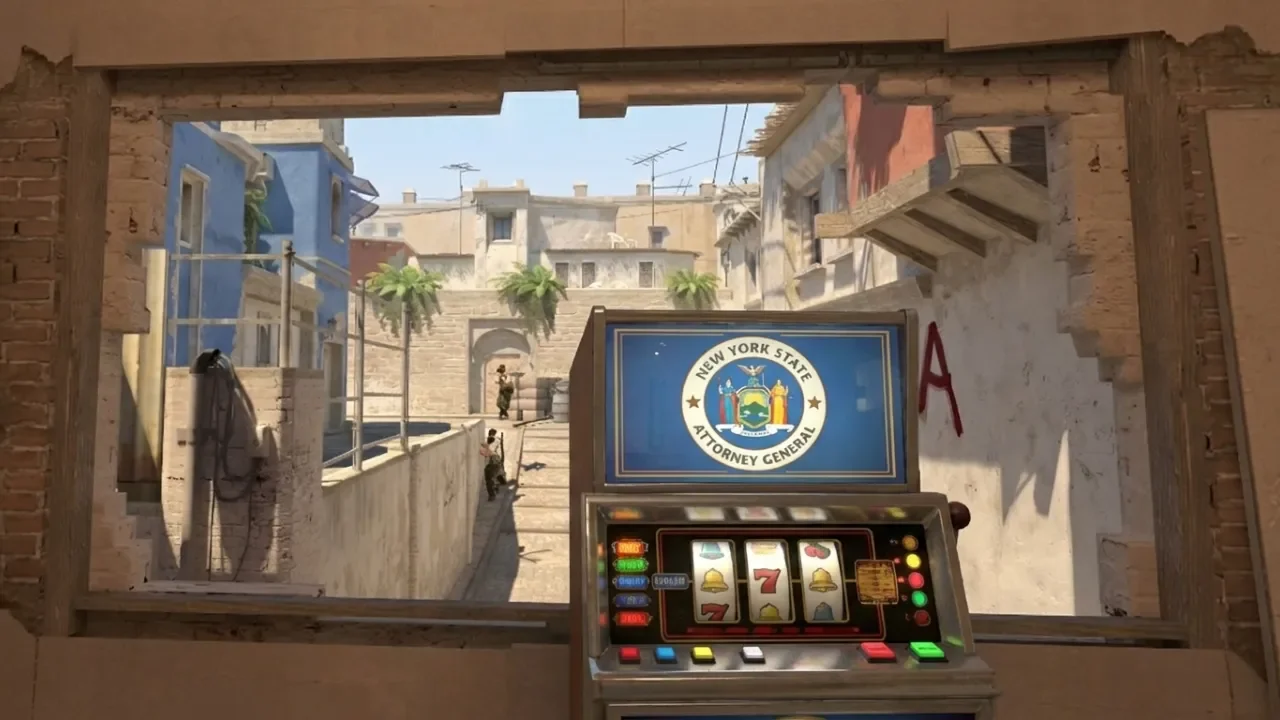
New York Attorney General Letitia James dropped a massive legal filing this week targeting Valve Corporation. The investigation by the Office of the Attorney General focuses heavily on the monetization systems found within Counter-Strike 2, Team Fortress 2, and Dota 2. The state is alleging that Valve is actively promoting and facilitating illegal gambling by charging users real money for the chance to win rare digital items.
This is not just a general complaint about microtransactions. The lawsuit is a highly targeted strike aimed at the exact mechanisms that have generated billions of dollars for the publisher. I read through the specifics of the filing, and it is clear the state is treating Valve's ecosystem less like a video game marketplace and more like an unlicensed casino operating directly on the internet.
The Mechanics of the Loot Box
The core of the lawsuit focuses entirely on how Valve distributes its digital cosmetics.
If you want a specific weapon skin in Counter-Strike 2, you rarely purchase it directly from the developer. You pay real money to open a locked virtual container known as a loot box. The prize inside is determined by a random number generator governed by odds set exclusively by Valve. The lawsuit specifically calls out the presentation of this process. The state notes that the visual feedback often involves an animated spinning wheel that eventually clicks to a stop on a selected item, which they argue is functionally identical to pulling the lever on a slot machine.
The Attorney General states that Valve intentionally makes the most desirable items incredibly rare. The vast majority of the time, players spend money to receive a digital item worth very little. The entire system relies on the psychological hook of potentially winning a high-value item, which the OAG argues is textbook gambling behavior.
A Real-World Economy
The reason this lawsuit carries so much weight compared to past complaints against the gaming industry is the real-world value of Valve's digital items.
If you unlock a rare outfit in a standard live-service game, that item is permanently locked to your account. Valve's games operate on an entirely different economic model. The skins in Counter-Strike 2 have a tangible, highly liquid real-world value. The lawsuit highlights the sheer size of this market, noting that the Counter-Strike skin economy alone reportedly surpassed $4.3 billion in early 2025. They even cite the sale of a single, highly coveted AK-47 skin that allegedly moved for over $1 million.
Because players can sell these items on the official Steam Community Market or connect their accounts to third-party websites to cash out for actual fiat currency, the state argues the loop is complete. Users are paying real money for a random chance to win a prize that can be converted back into money. Furthermore, the OAG investigation alleges that Valve not only turns a blind eye to these third-party cash-out sites but actively facilitates their operations.
Security Risks and Stolen Assets
The massive financial value attached to these digital items has created a secondary problem that the state is using to bolster its case.
Because Counter-Strike skins can be easily liquidated through third-party marketplaces, Valve's virtual items have become an incredibly attractive target for digital thieves. The lawsuit notes that Valve has received hundreds of thousands of support requests from users reporting hacked Steam accounts or instances where bad actors tricked them into transferring expensive items. The state is using this massive volume of theft reports to illustrate that these items function as real currency, further cementing the gambling comparison.
The Political and Legal Context
The most aggressive angle of the lawsuit focuses heavily on the player base. Valve's titles are incredibly popular with teenagers, and the Attorney General argues that these systems intentionally prey on young users who lack impulse control and financial literacy. The OAG cites research claiming that introducing children to gambling mechanics drastically increases their chances of developing severe gambling problems later in life.
This lawsuit is not an isolated incident for Letitia James. The Attorney General has been on a massive regulatory push regarding digital safety and online gambling. She recently shut down 26 online casinos operating illegally in New York and has been heavily involved in pushing legislation like the SAFE for Kids Act to restrict addictive social media algorithms. Going after the biggest PC gaming storefront in the world is a logical next step in her campaign.
I do find the inclusion of a specific moral argument in the filing completely bizarre. The lawsuit takes a strange detour to claim that Valve's games fuel real-world gun violence by glorifying weapons. It is an outdated political talking point from the 1990s that feels completely out of place next to the very serious, data-driven financial arguments regarding the skin economy.
Regardless of the political posturing, this is going to be a brutal legal fight. Valve operates a massive ecosystem, and the skin market is a foundational pillar of their ongoing revenue. If the state of New York successfully proves that selling randomized digital cosmetics with real-world value constitutes illegal gambling, the ripple effects will fundamentally alter how every publisher monetizes their games. I will be watching closely to see how Valve's legal team attempts to dismantle the slot machine comparisons in court.