Pokemon Pokopia Guide: How to Master Humidity and Environmental Stats
Building the perfect little neighborhood in Pokopia feels great right up until half the residents turn out quietly miserable, and it usually has nothing to do with the furniture.
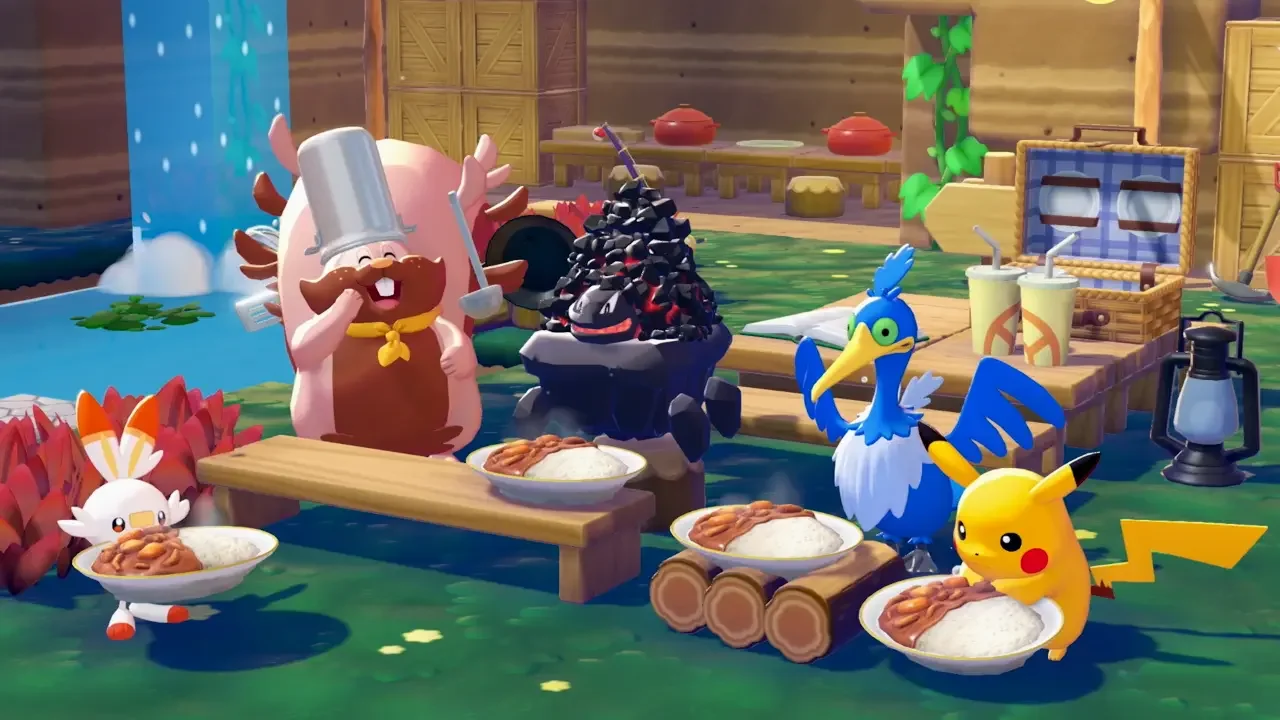
© 2026 Pokémon. TM, ® Nintendo.
Every Pokémon that moves into town comes with its own idea of a perfect climate. Some want damp, lush swamps. Others want everything bone dry. Balancing those needs across one shared map turns out to be one of the more interesting puzzles the game asks of you, and understanding how the climate system actually works makes the whole thing a lot less mysterious.
Humidity Doesn't Change on Its Own
The moisture level of any given spot is a direct reflection of what's been placed there. Trees, grass patches, and flowers all nudge the local humidity upward, with trees giving the biggest passive boost and small flower beds working nicely for fine-tuning the area right around one specific house.
There's a small catch worth knowing early. Planting alone doesn't do much. Vegetation only counts toward humidity once it's actually been watered, which means transforming and using Water Gun on it directly. Playing sprinkler for a while does eat into stamina fast, so keeping the PP bar topped off makes these landscaping sessions go a lot smoother.
Quests Move the Needle Faster Than Gardening Ever Will
Watering an entire zone tree by tree works, but it's slow going if a bigger humidity shift is needed quickly, especially when trying to push past an Environment Level threshold. That's where certain NPCs come in handy.
Squirtel, Bulbasaur, and Slowpoke tend to offer Requests that are worth dropping everything for. Finishing one of these usually triggers a big, immediate jump in local humidity, something that would take a long time to match by watering grass manually. These quests seem built specifically to nudge the environment along, so they're always worth prioritizing when they show up.
Here's how the different methods stack up against each other:
The Tricky Part: Fire and Water Don't Mix
Once humidity starts climbing, it's easy to forget that the same lush, watered plaza making Bulbasaur happy is quietly wrecking things for Charmander. Comfort scores for Fire types drop fast in damp conditions, and since those scores feed straight into the overall Environment Level, one happy corner can end up dragging the whole island down if everyone's mixed together.
The fix is pretty simple once it clicks: zoning. Setting up dedicated elemental districts, a lush watered corner for Water and Grass types, and a sparse dry stretch on the opposite side for Fire types, keeps everyone's needs from colliding in the first place.
Sometimes distance alone isn't quite enough, and that's where housing comes in as a buffer. A Leaf Den, for instance, works especially well for nature-loving residents by insulating them from whatever's happening outside their walls. For the exact requirements on getting a structure to actually count, the habitat guide walks through what different residents are looking for in a home, which makes matching houses to tenants a lot less like guesswork.
Keeping an Eye on the Numbers
Eyeballing how humid a patch of land looks based on the grass alone isn't a great strategy long term. The PC terminal is the actual source of truth here, with an Environment Level details screen that lays out exactly who's thriving and who's less than thrilled with their current living situation.
That terminal lives inside the town hospital, so if it's not up and running yet, the guide on rebuilding the Pokémon Center is worth a look to get that terminal online and start tracking things properly.
There's a fair bit of upkeep involved in all this, watering flowers, hauling logs, keeping a whole town of very particular residents content. But once the humidity system clicks, most of the guesswork disappears. Keep the Fire types dry, keep the Water types soaked, and the rest tends to fall into place on its own.