The Seven Deadly Sins: Origin - 5 Brutal Truths I Wish I Knew Before Playing
Netmarble's new open world RPG is massive, beautiful, and fully prepared to punish you for making blind decisions in your first ten hours.
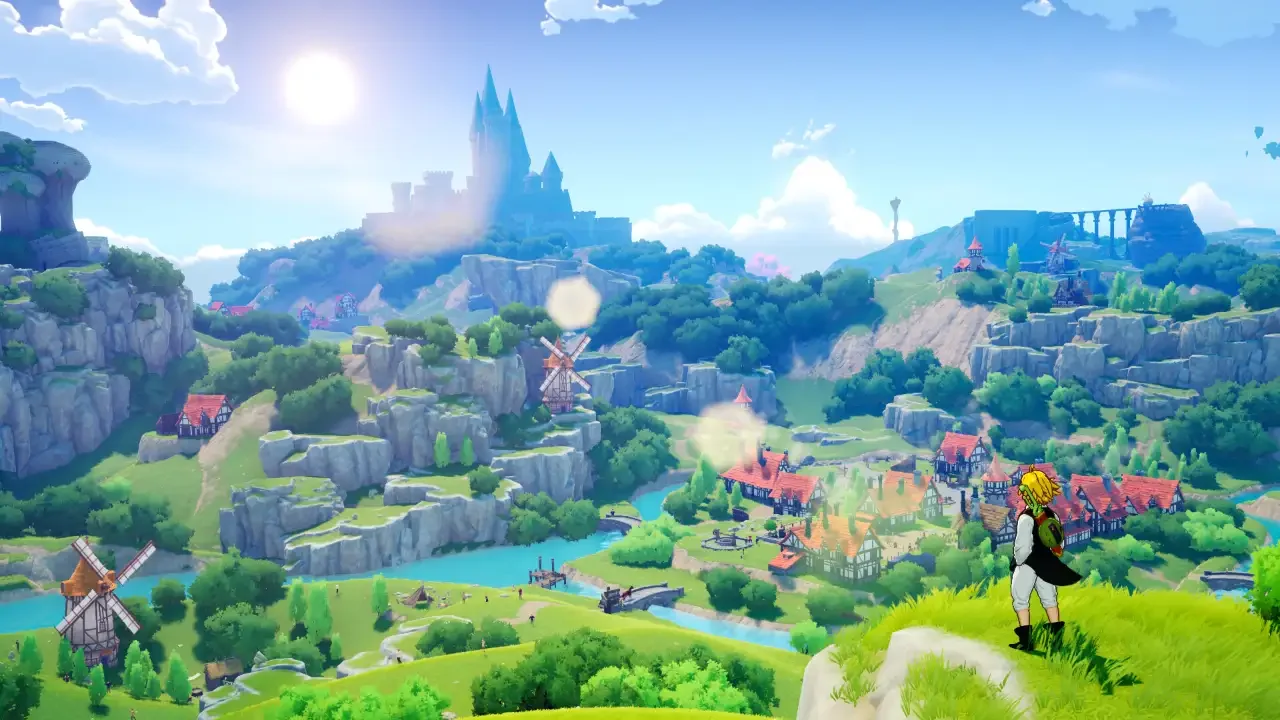
The early hours of any gacha game always feel like a honeymoon phase. The game showers you with premium currency, enemies fall over if you look at them wrong, and every treasure chest feels like a massive victory. The Seven Deadly Sins: Origin is no different. You step into the shoes of Prince Tristan, and the world of Britannia opens up with a dizzying amount of map markers, menus, and flashy combat tutorials. It is incredibly easy to get distracted by fishing or cooking meals, completely ignoring the fundamental systems that will actually dictate whether your account succeeds or fails.
I’ve spent plenty bashing my head against the mid game difficulty spike because I fundamentally misunderstood how resource management worked in this game. I wasted materials, I completely ignored essential exploration tools, and I pulled on a banner that I should have avoided like a plague. The tutorial explains the absolute bare minimum required to swing a sword. It leaves the heavy lifting, the actual math behind your progression, entirely up to you. I am here to spare you that frustration. Here are the brutal truths and hidden mechanics you need to understand before you sink another hour into Britannia.
The Gacha System Has Decent Pity and Blatant Traps
Understanding exactly where to spend your premium currency is the single most vital skill in this game. The tutorial will happily hand you your first SR character, Tioreh. She is fine. She offers some decent healing and will keep you alive for the first few zones. Immediately after that, the game will aggressively shove the Slader 10 draw step up banner in your face.
Do not touch it. Slader is an incredibly underwhelming Fire damage dealer who currently has zero place in the endgame meta. The game wants you to blow your early currency on him because the banner looks cheap and enticing. Ignore him completely and open your mailbox. Claim your pre registration rewards and dump every single resource you have into the Meliodas standard pickup banner.
If you want to know exactly who else is worth your time, you can check out my fully updated Seven Deadly Sins: Origin Tier List where I break down the entire roster. For now, you just need to understand how the pity system actually works, because it is surprisingly generous if you know how to abuse it.
Weapons Are Crafted, Not Pulled
Most modern open world RPGs force you to gamble for characters and then force you to gamble again for their signature weapons. Origin completely ditches the weapon gacha. You do not roll for swords in this game. You craft them, and the relief I felt when I discovered this was immeasurable.
To craft SSR weapons, you need to hit the level five benchmark on your account. Once you unlock the required materials through exploring and clearing dungeons, you can literally just forge the best gear in the game. You do need to pay close attention to what you are building. Every character has three different weapon types they can equip, and each weapon fundamentally changes their entire combat kit. Meliodas with a Longsword plays completely differently than Meliodas with an Axe. Read the weapon descriptions carefully before you commit your hard earned crafting materials. You do not want to accidentally build an incredible tanking shield for a character you are trying to use as a primary damage dealer.
The Mastery System Grind
Instead of passively leveling characters by feeding them experience books, your true power comes from the Weapon Mastery system. You have to individually level up all three weapon slots for a character. Once you max out a weapon slot, the game rewards you with a free character duplicate. There are four free dupes available per character just by engaging with this system.
Maxing out all the weapon slots unlocks miniature nodes that provide massive stat boosts, like critical resistance and critical defense. This is the true endgame grind. You will be farming materials for days to unlock these nodes, but the power spike is completely undeniable.
Unlock The Map Before You Do Anything Else
I cannot stress this enough. The very first thing you should do when you get freedom of movement is unlock every single warp point you can physically reach. The map is sprawling, and it is full of dark, obscured areas that hide elite enemies and massive cliff faces.
I spent my first day wandering blindly into zones, getting lost, and manually running back to town to turn in quests. It is a miserable way to play the game. Activating warp points clears the fog of war and allows you to fast travel instantly. Dedicate an hour to just running past enemies, ignoring the shiny gathering nodes, and touching every teleport crystal you see. Your future self will thank you when a daily commission asks you to kill a monster on the exact opposite side of the planet.
Do Not Ignore The Main Story
I know the temptation is real. You see a massive open world, and you want to ignore the critical path to go climb a mountain and look for treasure. That is a terrible idea in the early game. The main story quest is the master key that unlocks the rest of the game.
If you ignore the story, you will remain locked out of Guilds, PvP arenas, and most importantly, the co op multiplayer dungeons. Furthermore, completing story quests is the fastest way to raise your Book of Stars level. Your Book of Stars is essentially your overall account level, and as that number goes up, your World Level increases. A higher World Level means significantly better loot drops from regular enemies and bosses. Stalling the story means you are actively choosing to receive garbage loot while you explore.
Five Player Co-Op Chaos
Once you unlock multiplayer, you will quickly realize it is one of the best features Netmarble included. You can group up with up to five players total. The absolute best part is that you maintain your entire team rotation. You are not forced to play a single character while your friends play theirs.
You have your full active party of characters to swap between, and so do your four friends. Fighting a massive world boss with five people constantly hot swapping their rosters and chaining elemental bursts is beautiful, chaotic nonsense. The screen clutter is completely unmanageable, you will have no idea what is actually happening, and it is wildly entertaining.
Costumes Are Stat Blocks
The gear system in Origin is bizarre. I am still trying to fully wrap my head around the logic behind it. When you equip gear to a character, you are often equipping a literal costume. The outfit Jericho wears is not just a cosmetic choice, it is an actual piece of armor with sub stats that you have to roll and upgrade.
You are going to spend a lot of time grinding dungeons to find a costume that rolled the perfect critical damage stats. The saving grace to this weird system is the transmog feature. Once you unlock a costume piece, you keep the cosmetic skin permanently. If you find an incredibly ugly hat that happens to have the best stats in the game, you can equip it for the numbers and visually override it with something better. You can safely sell old gear for materials without worrying about losing your favorite outfits.
The game is dense, punishing, and absolutely refuses to hold your hand past the first hour. Focus on your weapon mastery, avoid the bait banners, and stop running everywhere on foot.