Windrose Selling Guide: Where to Offload Your Loot
Windrose slaps labels like "Luxuries" and "Munitions" onto half your inventory and then never bothers explaining who's supposed to buy them.
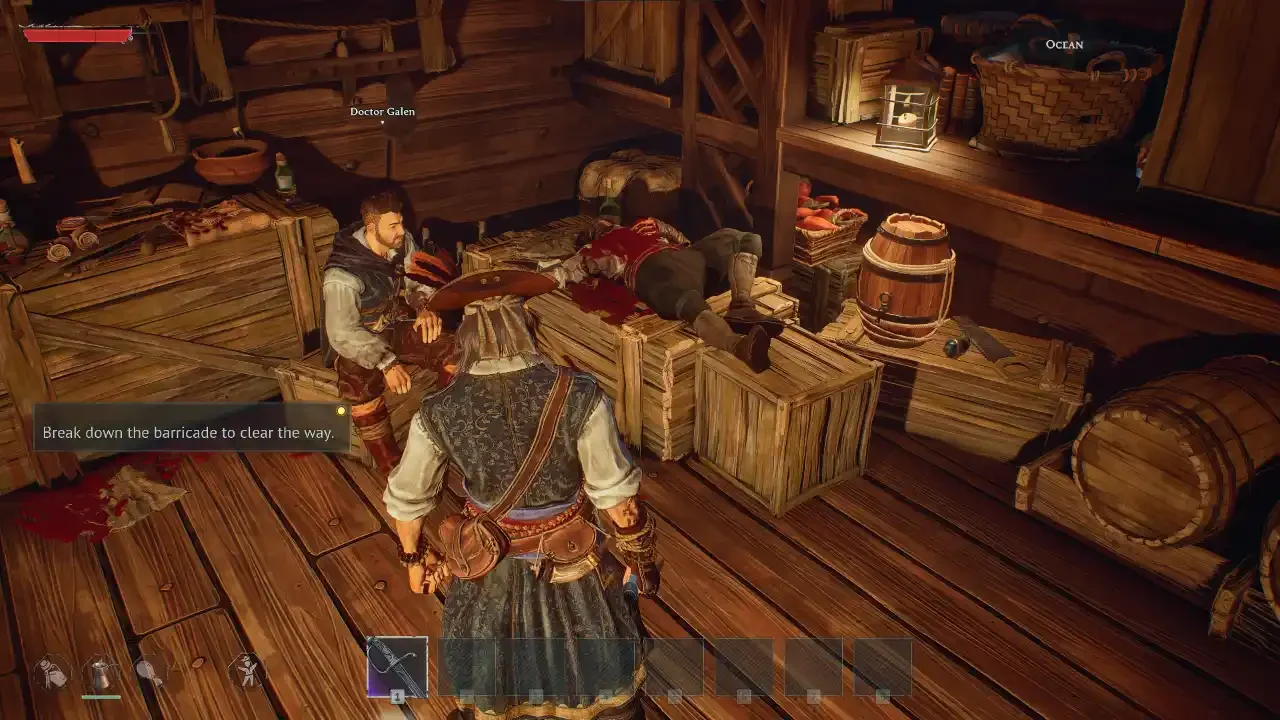
Tortuga's central market looks like the obvious answer, except it isn't. The Provisioners standing there only sell blueprints, and they'll flatly refuse anything you try to hand them. Actual selling happens through a separate NPC type called a Buyer, and those only exist inside faction Main Bases, which the game does absolutely nothing to point you toward.
Finding the Bases Without Sailing Blind
Since every server generates its map fresh, there's no fixed set of coordinates to chase. Two tricks make the hunt manageable, though. First, check the coloring of territorial lines drawn in the water on your map. Blank means unclaimed, red means Blackbeard's hostile territory, and green marks a faction's safe zone. Follow the green and a base is somewhere at the end of it. Second, the fog of war is more generous than it looks. Zoom the map all the way in over an unexplored area and a Main Base's architecture will often render straight through the fog before you've physically sailed anywhere near it.
Finding one pays off beyond just unlocking a Buyer, too. Every Main Base you discover permanently becomes a fast travel node, no bell required, which makes repeat selling trips a lot less painful once all four are on the map.
The Four Buyers and What They Actually Want
Each faction only buys a specific category of goods, and trying to sell outside that category just gets the transaction rejected outright.
The Rogue Buccaneers deal in violence, taking captured munitions and hunting trophies off your hands.
The People of Tortuga stick to keeping their own port running, so their Buyer only wants bulk survival goods.
The Smugglers of Port Royal matter more than the other three combined, since they're the only faction paying out Guineas alongside Piastre, and relics from ancient ruins are their specialty.
The Brethren of the Coast round things out, handling anything naval-adjacent that isn't a weapon.
Worth putting a talent point into the Haggler perk before selling anything at all, since it adds a flat 15 percent onto every payout across all four Buyers.
Every Way to Actually Earn Piastre, and Which Ones Are Worth Your Time
Selling loot is only half the picture. There's a handful of separate ways Piastre enters your pockets in the first place, and they're not remotely equal.
Quests pay reliably, sometimes 300 Piastre or more for a single completion, and since you're working through the story anyway, this money essentially arrives for free alongside progress you were already making.
Looting Piastre directly out of chests, skeletons, and floating ocean barrels is the weakest method by a wide margin. It's there, and it's not nothing, but building any real income around random chest drops is a losing bet.
Naval combat sits well above everything else. Cripple a ship instead of sinking it, board it, and clear the crew, and the payout dwarfs anything else on this list. A single boarding run against a stacked group of enemy vessels can realistically net over a thousand Piastre once the loot, insignias, and sellable goods are all tallied up. The catch is it demands a properly upgraded ship and boarding gear before it's safe to attempt against anything higher level.
Selling Guineas back is a quieter option worth knowing about. Guineas are meant for cosmetics and building sets rather than anything essential, and they pile up naturally just from clearing points of interest and finishing quests. If aesthetics aren't a priority, the Smuggler Provisioner will buy Guineas back for 20 Piastre each, which turns currency you weren't planning to spend into currency you can actually use. The reverse trade exists too, buying Guineas for 50 Piastre apiece, but that rate's rough enough it only makes sense once Piastre is genuinely piling up faster than you can spend it.
Realistically, the loop that works is quests for steady background income, naval combat for anything that actually moves the needle, and the Guinea exchange as a quiet top-up whenever cosmetics aren't on the shopping list. Everything else is a nice bonus, not a strategy.