Gamble With Your Friends: Multiplayer Setup and Team Strategy
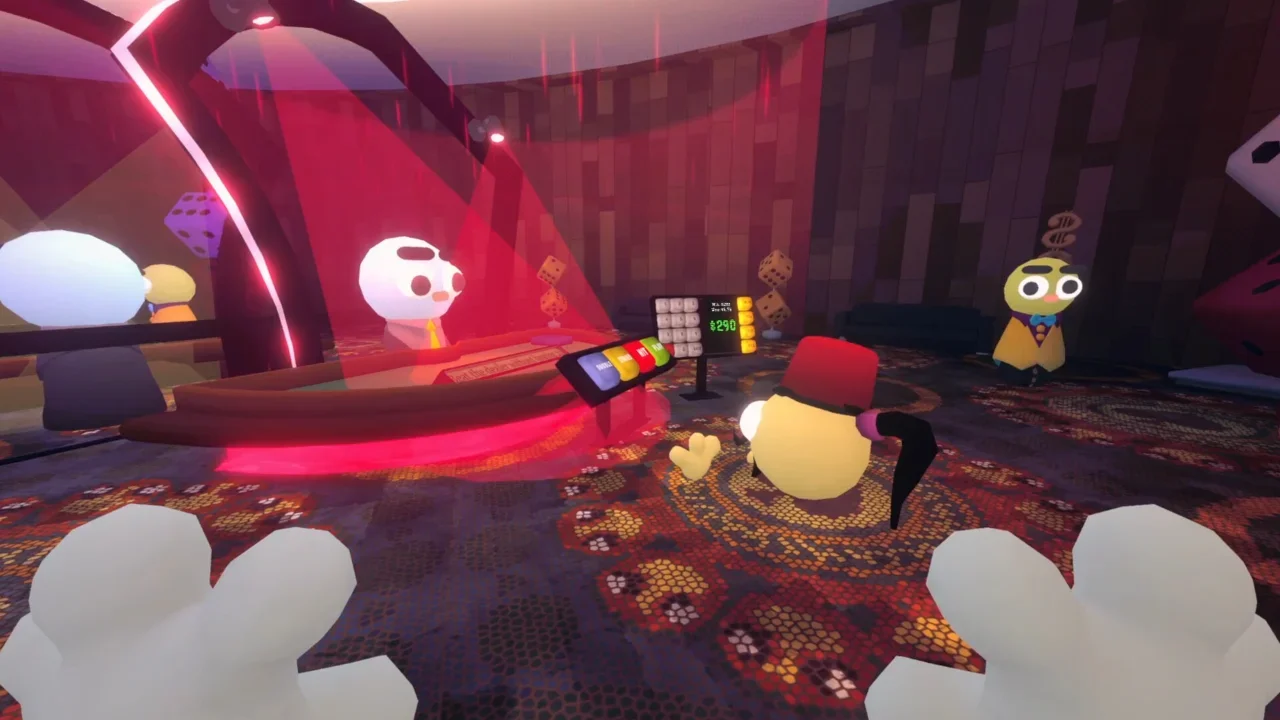
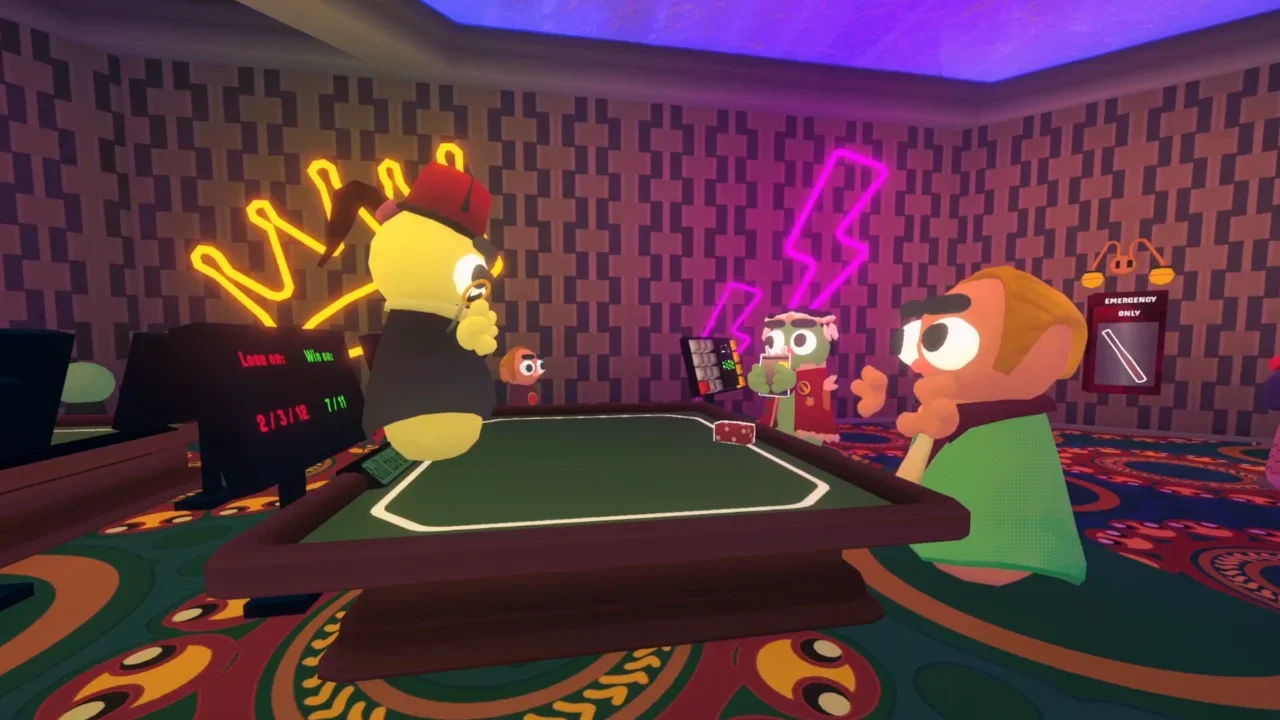
Jeff Booth's daily quotas are perfectly doable alone, but the whole game clearly wants you dragging five friends into the casino with you instead.
That's where things get complicated though. Every bet, every purchase, every loss comes out of one shared wallet between the whole group, which means one friend deciding to put everything on Roulette can end the run for everyone else in an instant. Getting through a session together takes a bit of upfront organizing, mostly around lobby settings and who's actually allowed to touch the money.
Getting Everyone Into the Same Lobby
Multiplayer here runs entirely through Steam's friend system, and you can't invite anyone once you've already loaded into the neighborhood. All of that has to happen from the main menu first.
The whole session also runs on peer-to-peer connections, so whoever creates the lobby becomes the host and everyone else's experience depends on their internet holding up. It's worth being a little picky about this. Hand hosting duties to whoever's got the sturdiest, ideally wired, connection, because if the host starts lagging, the physics-based tables on the casino floor fall apart for the whole group, not just them.
Setting the lobby up itself is simple enough. Click the "+" in the top right corner of the main menu to pull up your Steam friends list and send invites out from there. Before anyone joins, double check the privacy icon sitting just below the invite button and set it to "Friends Only" rather than leaving it open, otherwise you risk a stranger wandering in and helping themselves to your shared funds. Friends can also skip the invite entirely and join by clicking your Steam profile and hitting "Join Game."
Killing Time in the Neighborhood
Everyone spawns inside their own cardboard box when a fresh game loads in, and pressing E breaks you out of it. The neighborhood itself is a safe zone before the elevator, and there's genuinely more to do here than just standing around waiting for stragglers.
Basketball: press E to grab the ball off the court, then aim with your mouse and click and hold to shoot.
Hot tub: a double jump clears the edge so you can actually relax in the water.
Chess or checkers: the same board handles both, though for checkers you have to physically move and remove pieces yourself.
Parkour course: tucked behind the item trailer, and climbing to the top unlocks an achievement.
Hidden plushies: scattered around the map and give off a sound cue once you pick one up.
If everyone immediately bolts for the second hand store to blow shared tickets on cosmetics the second they load in, it's worth stepping in early. Those tickets matter a lot more once you're actually upstairs.
Why You Need a Treasurer
The five minute timer on the casino floor has a way of turning six calm friends into six people panicking at once, and when everyone scatters to different tables and starts betting simultaneously, the shared account can disappear before anyone notices. Picking one level-headed person as the group's Treasurer before you ever step into the elevator solves most of this on its own.
I've been on a run where we skipped this step entirely, and watching three people hit Blackjack at the same moment while nobody was tracking the total was genuinely stressful in a way the game probably didn't intend.
What the Treasurer Actually Does
The Treasurer gets final say on money, full stop. At the start of each day, they look at the quota that still needs hitting and split whatever's left into small, strict allowances per person. Once someone burns through theirs, they're done gambling for the day, no exceptions, and they step away from the tables until the timer runs out. It sounds strict written down like that, but it's honestly the only thing that keeps a six person wallet from evaporating in the first two minutes.
The Treasurer also handles every purchase at the black market trailer alone. Leaving that open to the whole group tends to end in duplicate items or tickets wasted on rerolls nobody needed, so having one person weighing the team's total ticket count against what's actually needed for the next floor keeps things a lot more efficient. Getting this part right is often the real difference between clearing quota comfortably and ending up face to face with the Loan Shark instead.