Mewgenics Combat Guide: How to Weaponize the Chaos
A genetically perfect cat with flawless stats still dies just as fast as a mediocre one if the physics engine isn't part of the plan.
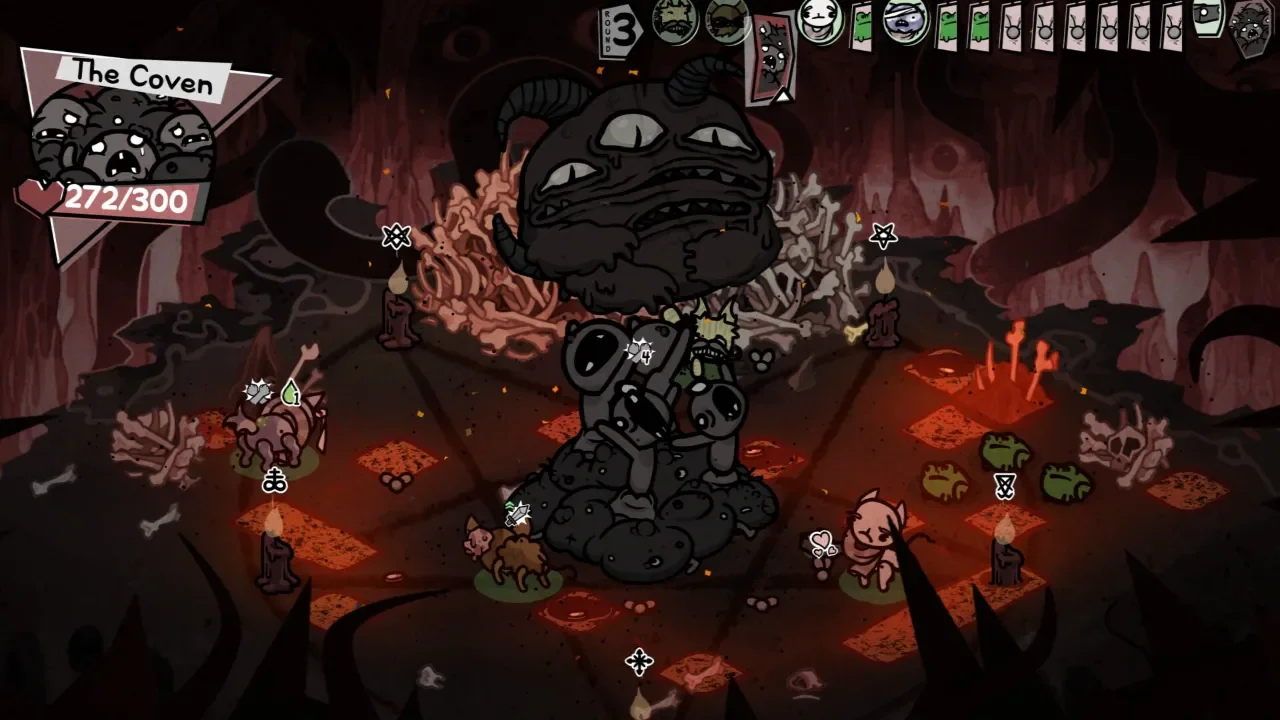
Combat here isn't a straightforward turn-based tactics game dressed up in cartoon fur. The battlefield itself is an active participant, and ignoring fire, water, and terrain is the fastest way to lose cats that took generations to breed. Losing here isn't a checkpoint reset either. It's permanent, which makes learning the systems below worth the time investment.
Squad Roles Aren't Optional
Four random cats thrown together doesn't make a squad. It makes a pile of corpses waiting to happen.
A Tank matters more than anything else in the early game. Cats with a Square head and a Fat body naturally lean toward high HP and Defense, and their entire job is standing in a choke point soaking up hits so nothing squishier has to. Aggro-boosting abilities lean into this even harder, and a solid rundown of how head and body shapes map to class aptitude lives in the beginner's survival guide for anyone still sorting out which cat should be wearing which collar.
Mages and Hunters, usually built on Triangle heads, hit hard and die fast. Leaving one exposed for even a turn tends to end badly, so keeping them tucked behind cover or behind the Tank is less a suggestion and more a requirement. Pairing a Mage with a push ability turns this into an actual strategy rather than just hiding, since knocking an enemy back into the Tank's reach buys another full turn of safety.
Clerics need special handling too. Most healing kits in this game have decent range but poor self-sustain, and a dead Cleric usually means the run is over shortly after. Giving one a secondary defensive option, a shield or a dodge buff, keeps it from becoming the obvious kill target it would otherwise be. The full class breakdown, including which collars unlock when, is covered in the collar and class guide.
The Environment Is a Weapon, Not Scenery
Grass, water, fire, and electricity all interact with each other in ways that go past simple type matchups, and reading the battlefield before acting matters as much as picking the right ability.
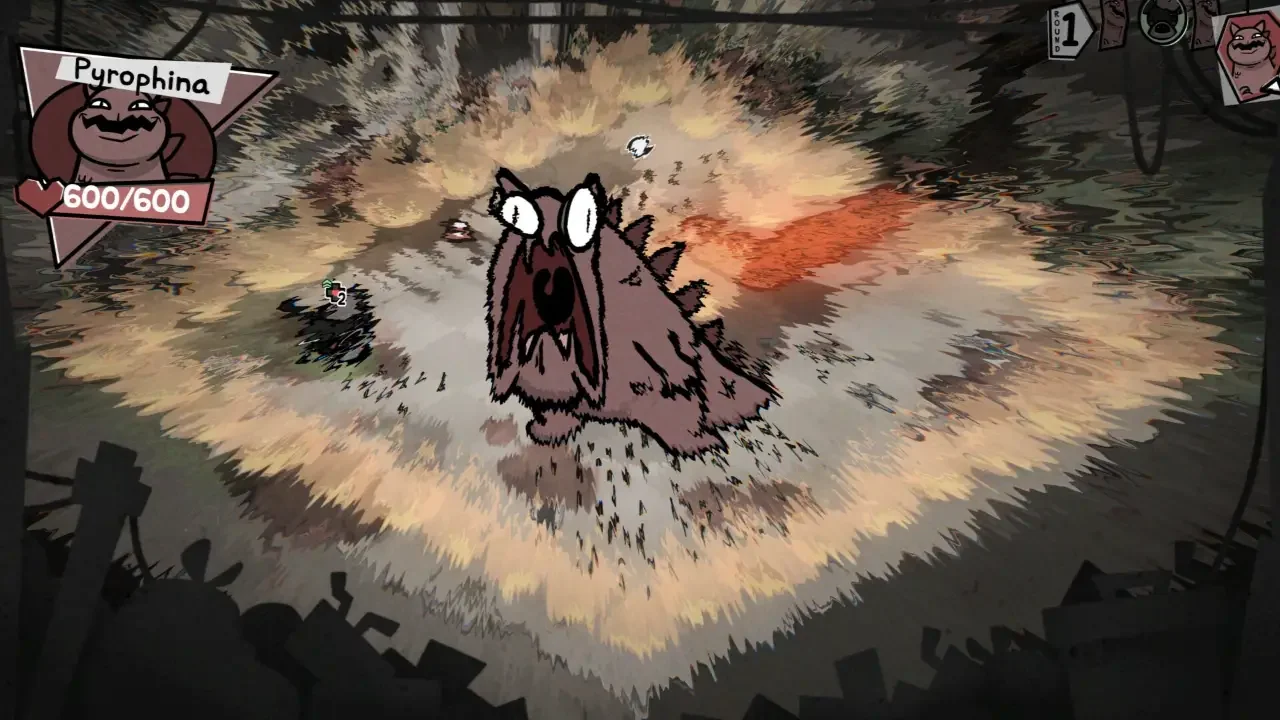
Fire spreads to adjacent grass tiles every turn, which makes it a reliable way to flush enemies out of cover rather than just chasing them down directly. Water and electricity combine into something closer to an accident waiting to happen, since shocking a puddle damages and stuns everything standing in it, allies included if they're careless about positioning. Dousing fire with water creates a steam cloud that blocks line of sight, handy for breaking away from a ranged attacker mid-fight. Ice tiles send units sliding until they hit something solid, and pairing that with a knockback attack turns a shove into a full launch straight into a pit or a wall.
None of these interactions are secret. They're sitting on the map waiting to be used, and treating the terrain as a tool instead of background noise changes how fights actually go.
Heatwave Turns the Desert Into a Different Game
Act 2 introduces Heatwave, a debuff that cuts mid-battle healing and, worse, disables the automatic post-fight heal entirely. Ending a battle at 2 HP means starting the next one at 2 HP, which stacks up fast against anything remotely dangerous.
The fix is water, and the game is bizarrely committed to one specific solution. A classless skill called Number One lets a cat pee on the floor, creating a water tile. Standing in it, even the yellow variety, hydrates a cat and temporarily clears Heatwave. Timed right before the final blow of a fight, it tricks the game into registering the squad as hydrated when the battle ends, which restores the post-fight heal Heatwave would otherwise block. It's not dignified, but it's effective, and it costs nothing.
Water bottles picked up during exploration work the same way for anyone who'd rather not rely on the pee strategy, and can be refilled at water sources on the map or, again, by using Number One directly on an empty bottle.
Fighting Dirty Beats Fighting Fair
Honorable combat gets cats killed. A few tactics consistently outperform playing it straight.
Summonable minions like flies or small constructs barely deal damage, but the AI doesn't seem to weigh that when picking targets. A boss frequently burns a big attack on a 1 HP summon instead of the actual threat standing next to it, which makes these throwaway units genuinely useful as bait, trap triggers, or movement blockers.
Knockback deserves more respect than it usually gets. Shoving an enemy into spikes, a pit, or an active fire hazard does far more than any direct attack would, and it's one of the more satisfying mechanics in the game once it clicks.
Speed determines turn order, and a slow squad effectively hands the enemy a free round before anyone gets to react. Prioritizing Speed buffs or gear that boosts initiative flips that math, and stun or daze effects work as a backup plan for squads that can't out-speed the opposition outright, denying enemy turns instead of racing for them.
Combat in Mewgenics rewards reading the board over memorizing a single build. Sometimes the answer is a fireball, sometimes it's a shove into a pit, and sometimes it's standing in a puddle of cat pee. All of it beats standing in the fire and hoping for the best.