Nova Roma Beginner's Guide: How to Survive Petty Gods and Starvation
Building a glorious new empire from scratch sounds romantic until your citizens start starving and Jupiter fries your town square.
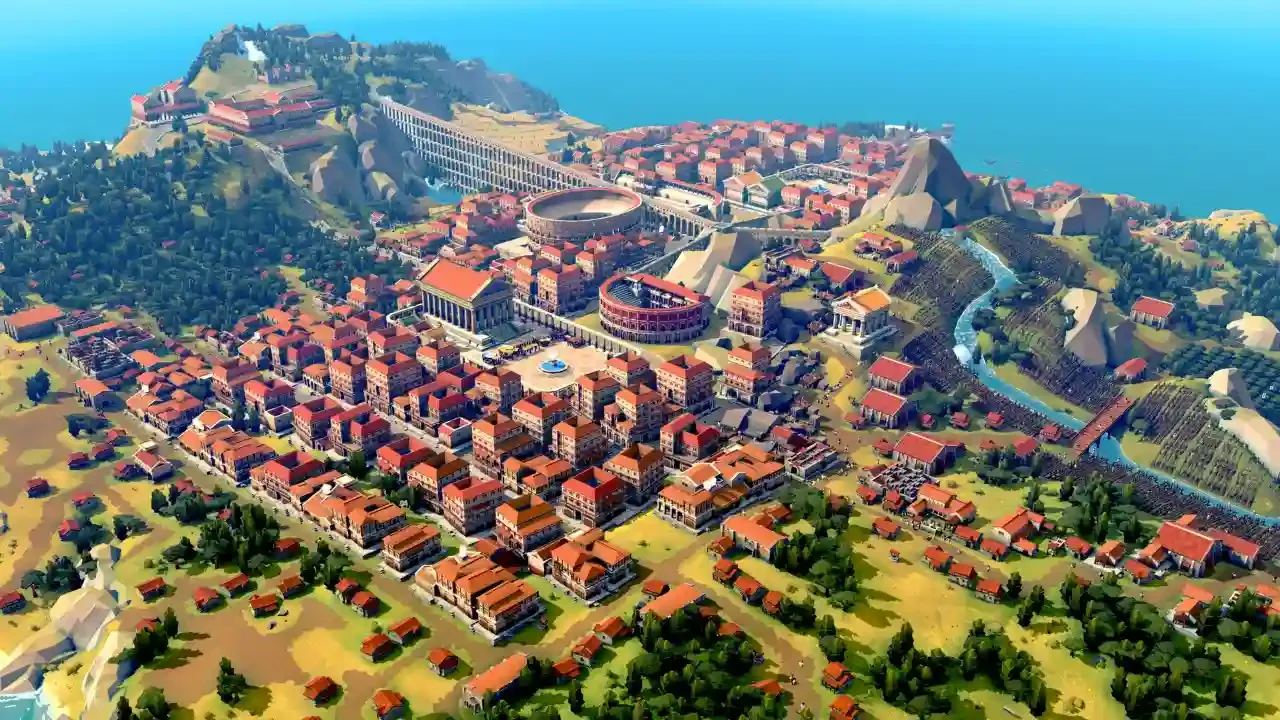
You fled the debauchery of the old empire to start fresh. I respect the ambition, but Nova Roma is not going to hold your hand. This is a brutal city builder where one bad harvest or a misplaced aqueduct can send your fledgling utopia into a death spiral. You have to balance the basic survival of your people, an economy built on dirt and taxes, and a pantheon of gods who act like spoiled toddlers. I have watched plenty of new governors run their settlements straight into the ground. If you want to avoid ending up as a cautionary tale, you need to understand the underlying mechanics that govern this harsh new frontier.
The Backbone of Empire: Citizens and Taxes
Your people are the lifeblood of your city, but they are incredibly needy. Managing them is a constant juggling act of providing basic necessities while squeezing them for every piece of gold they are worth.
Keeping the Masses Alive
Before you even think about building grand monuments, you have to cover the basics. Citizens require housing, food, and water. During the winter, the temperature plummets, and your people will rapidly consume wood or charcoal to stay warm. If you fail to stockpile these resources, your population will freeze, get sick, and eventually abandon your city. I highly recommend rushing a Charcoal Maker early on. Relying strictly on raw wood to heat homes is terribly inefficient and will strip your forests bare before you know it.
You also have to monitor building integrity. Structures degrade over time. If you ignore this, buildings will literally collapse on your workers. Plop down Masonries to ensure your infrastructure is repaired automatically.
Funding the Dream
You cannot build an empire on hopes and prayers. You need gold. Gold is required for paying specialized workers, recruiting your military, and executing major terrain engineering projects. The only way you get gold is by taxing your citizens through a Tax Office.
A Tax Office collects funds in an eleven tile radius. The catch is that taxes directly impact happiness. You can set the tax rate anywhere from zero to sixty percent. If you crank it up to the maximum, your citizens will become miserable, which stops immigration and causes your current residents to pack up and leave. A solid strategy is to tax wealthier neighborhoods heavier than your slums. A Hovel barely produces any gold at a ten percent rate, but a Villa Rustica pulls in significantly more. Surround your Tax Offices with high tier housing to maximize your income without blanket taxing your poorest citizens into a rebellion.
Mastering Gravity and Water Mechanics
Water is arguably the most frustrating mechanic for new players to grasp. The physics of Nova Roma are unforgiving, and water will only flow down the path of least resistance.
Dams and Aqueducts
Rivers flow from the mountains, and you need to harness them. To get water into your city, you must build a Water Intake below the waterline. However, the intake itself must sit at a higher elevation than your actual city. Gravity does all the work here. If your city is built on a hill that is taller than your intake valve, your aqueducts will remain bone dry.
You will spend a lot of time in Dam Planning Mode. This tool simulates how water will react to your structure. Pay close attention to your spillways and gate heights. Heavy rains will cause your dam to overflow, and a flooded industrial sector is a nightmare to clean up.
When laying down your aqueducts, the game shows you the degree of the slope. If the angle is too steep, the water flows too fast, and the game simply will not let you build it. You have to find a gentler angle or snake your aqueduct along a longer path to safely step the water down to your city. It takes practice, but mastering water grading is mandatory for survival.
Appeasing the Petty Pantheon
Religion is not just flavor text in this game. The gods are very real, very demanding, and highly vindictive. If you ignore them, they will actively destroy your progress.
Every time you build a temple, you must dedicate it to a specific deity. This opens up a line of communication where the gods will hand you Divine Tasks. Completing these tasks earns you Favor. Favor is the most important currency in the game because it is the only way you unlock new technologies, better crops, and advanced industry.
Temples also serve a dual purpose as your city vaults. A Small Temple can hold two hundred gold, while a Grand Temple holds a thousand. Keep an eye on your God Honor level. If it falls below "Expected," the curses listed above will trigger. I suggest rushing a Large Temple as early as possible so you can throw Festivals. They burn through your luxury food supplies, but the resulting surge in happiness and Favor is entirely worth the cost.
Defending Your Mud Huts
Eventually, raiders are going to notice your thriving little economy and try to take it by force. If you do not have a military, they will sack your buildings and steal your resources.
Building an Army
Your first line of defense is the Outpost. This building allows you to recruit a basic militia. Be warned that the militia draws directly from your pool of idle workers. If your entire population is employed in quarries and farms, you will have no one left to hold a spear.
Once you unlock Iron and Armament production, you can train proper Infantry and Cavalry. These professional soldiers require wages, meaning your tax economy needs to be stable before you establish a standing army. During an attack, try to leverage terrain bonuses. Fighting from high ground gives your troops a distinct advantage.
Static Defenses
Armies are expensive to maintain. Guard Towers provide excellent localized defense, firing arrows at any hostile target in their radius. However, towers require a constant upkeep of gold. Do not spam them everywhere. Build wooden palisades or stone walls to funnel invaders into deliberate chokepoints, and place your Guard Towers there to maximize their efficiency.
When the raid is over, immediately disband your militia. Keeping them active drains your economy. Sending them back to their civilian lives actually triggers a happiness boost for the entire city as they celebrate the victory.
Hard Learned Lessons
I have spent countless hours watching my cities flood, burn, or starve. Keep these final tips in mind to avoid making my mistakes.
Citizens physically walk from their homes to their jobs. If you place a logging camp on the opposite side of the map from your residential sector, your workers will spend all day commuting instead of chopping wood. Build localized, smaller communities around your major industrial zones.
Never expand your housing without first securing a massive food surplus. Immigrants will flood into your new homes, eat your reserves dry in a matter of days, and then complain about starvation.
Use granaries. Crops sitting out in the open will rot when winter hits. Lock them away properly. Once your city grows large enough, start relying on transportation carts and ships. Having a single citizen haul a piece of stone across town is a phenomenal waste of labor. Set up logistics routes so animals and ships can handle the heavy lifting.
Nova Roma is brutal, but if you respect the water physics, tax your people responsibly, and keep Jupiter from throwing a tantrum, you might just survive your first decade.