Shift at Midnight Beginner's Guide: How Not to Get Wrecked in Your First Week
Most people who die early in Shift at Midnight don't die because any single system is hard, they die because they're trying to run three jobs at once and none of them get the attention they need.
Three Jobs, One Clock
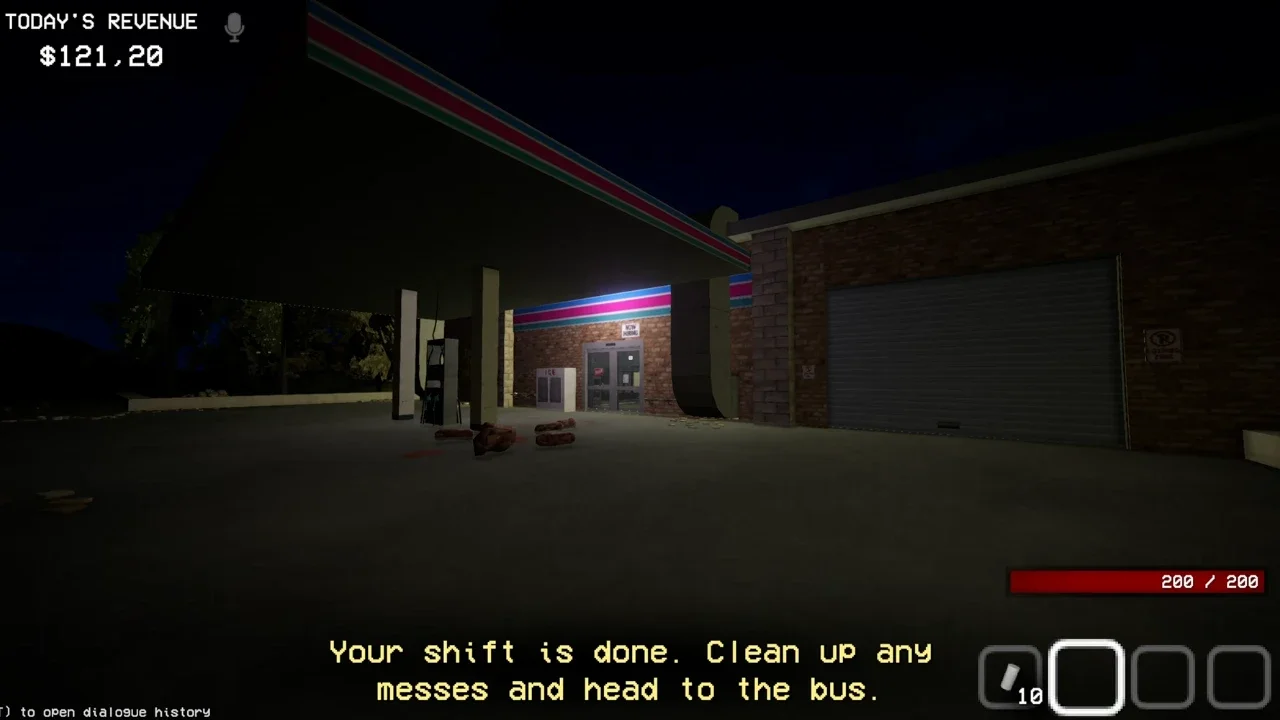
Cashier, cleaner, detective. All three at once, every single night. None of them are individually complicated, scanning an ID isn't hard, mopping a floor isn't hard, but trying to do all three simultaneously instead of figuring out which one actually matters in the moment is what buries new players.
The shortcut that actually works: a customer at the counter is the priority, full stop. An empty counter is your window for shelves, cleaning, and orders. Treat it like a queue instead of a plate-spinning act and the whole shift gets calmer fast. Skip that structure and you'll either end up mopping while three people wait unserved, or bagging groceries while the store quietly turns into a health violation. Neither ends well, they just fail differently.
Check the Computer Before Customers Ever Walk In
A Blood Moon warning means confirmed entity activity waiting at the end of the shift, plus a spike in doppelganger customers along the way, so prep needs to start before the countdown ever shows up, not after. Other warnings flag new creature types or one-off dangers specific to that night, worth actually reading instead of assuming every shift plays by the same rules as the last one. Skip that notification sound and you're walking into a night you didn't know was different.
Running with a group, checking this together up front means roles get assigned calmly instead of everyone scrambling once a hunt's already underway.
The Real Detective Work Is Reading a Screen, Not a Face
Someone acting twitchy or off means nothing by itself. Plenty of humans in this game are just strange, and the database is the one thing in the store that isn't trying to trick you, so build every decision around it instead of a gut feeling.
Run the Same Quick Sequence Every Time
Scan the ID or type the name in manually, and check whether they're even listed as alive first. That single check alone catches a good chunk of obvious fakes before you've spent any time on follow-ups. From there, line up their listed occupation, physical description, and any noted habits (always grabs one item, always dressed a certain way) against what's actually standing in front of you. Once the gas pump unlocks, add the license plate to that same routine and confirm it matches the registered owner.
You don't need a full interrogation on every customer. Run this same fast sequence each time, and only push further when something genuinely doesn't line up. Five throwaway questions don't protect you better than one question aimed directly at the actual inconsistency.
Never Bag Until You're Sure
Don't bag the items until you've actually reached a verdict. The moment that sale completes, your window to stop a doppelganger before it walks out the door is gone, and it's coming back later considerably less friendly. Keep the bag empty and the investigation open until you're satisfied, then close it out.
The same caution runs the other way too. Shooting an actual human costs you money, so treating every odd customer as guilty by default isn't a strategy, it's just a slower way to lose. If two details disagree, check a third before pulling the trigger. With friends, get a second opinion. Solo, just eat the extra couple seconds. A slow sale costs less than a wrong one.
If you want the exact answer key for who's lying on which specific night, that breakdown's here.
When You Get It Wrong
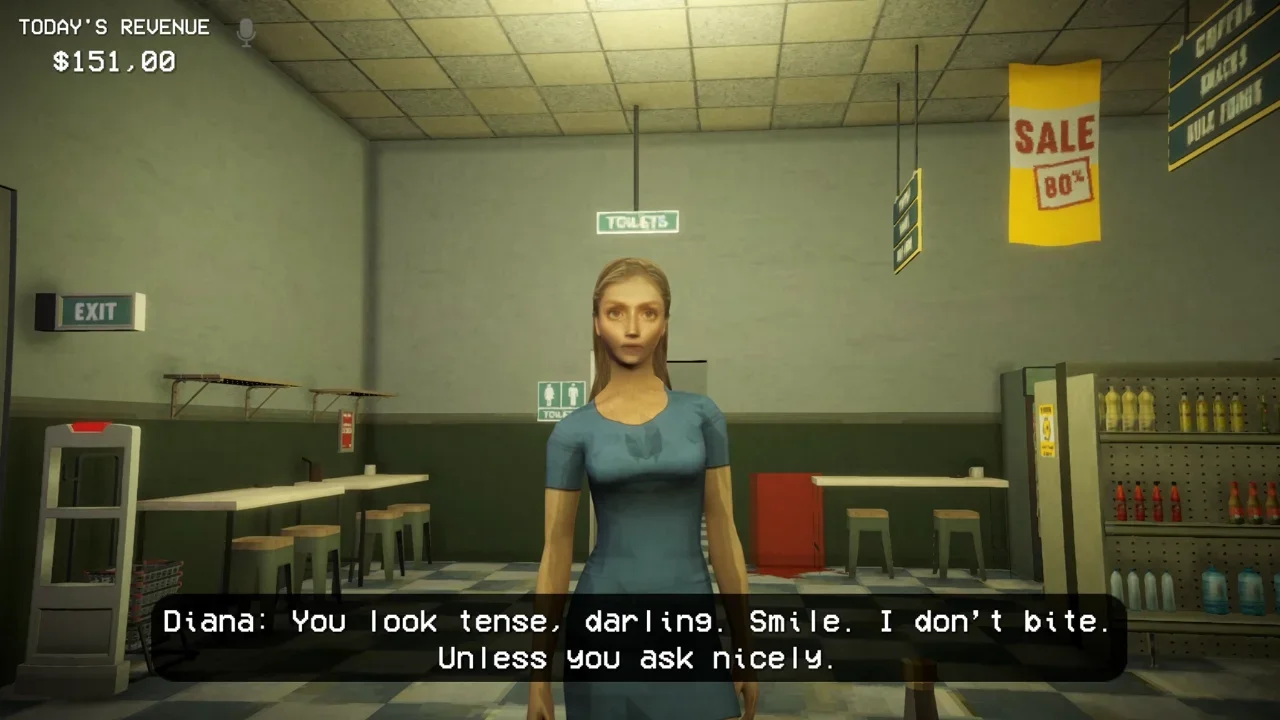
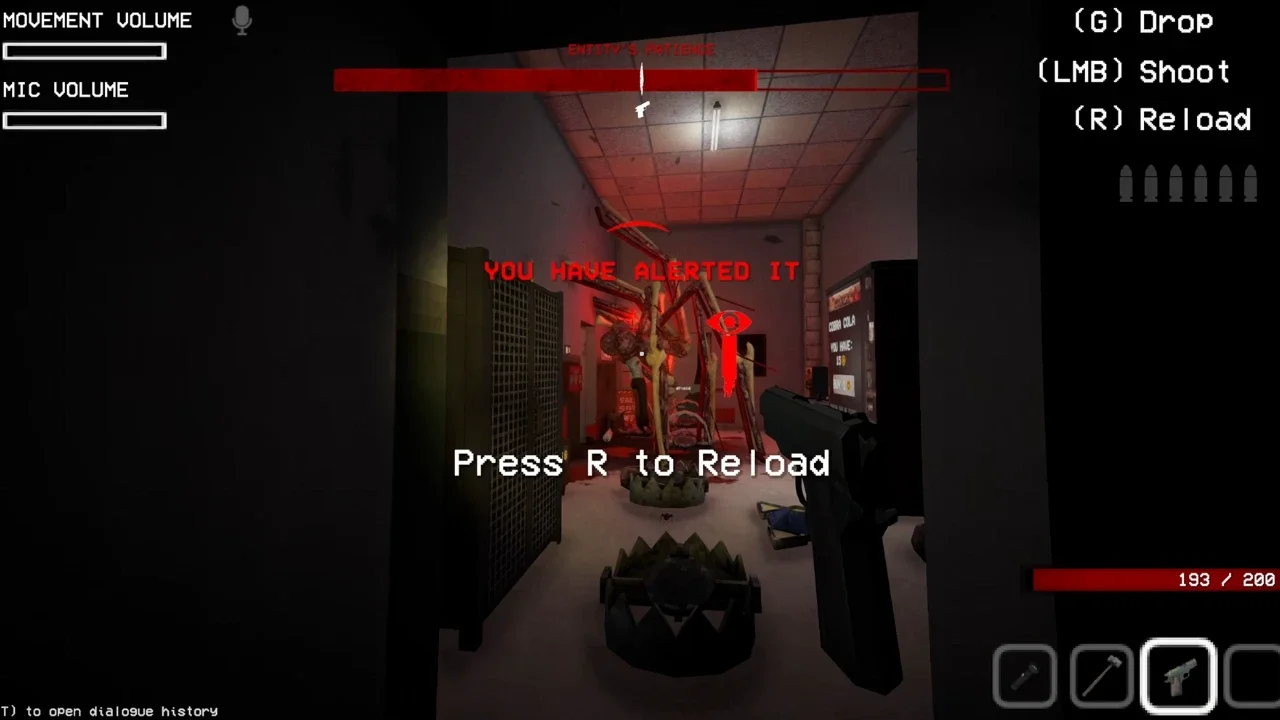
Miss one, and the shift doesn't end quietly. A warning and a countdown show up, and something's coming that has zero interest in your store rating.
Board All Three Doors, Not Just One
The store's got three ways in, the front entrance, the toilet, and the rear office door. Boarding only the front is how people learn the hard way that two other doors existed the whole time. Spread the boards across all three if the clock allows it, starting near wherever you actually plan to hide.
Spread Traps, Don't Stack Them
Piling every trap next to your hiding spot basically hangs up a sign pointing right at you the second one triggers. Spread them across entrances and the aisles connecting front to back instead, forcing whatever's hunting you to actually work for it rather than walking a clear line straight over.
It Can't See You, So Move Like It
Move with that fact in mind. Crawl toward a vent or the loading area rather than sprinting across open floor with no plan, and don't pop out somewhere that puts you directly in its path. You're not trying to win a fight, you're trying to outlast its patience. Once it does leave, don't relax immediately either, smaller stragglers can still be lurking and need handling before the shift's actually done.
One habit worth locking in early: dismantle any unused traps before your next normal shift starts. Leave them out and they'll happily maim a paying customer instead of a monster.
Solo Is Triage, Co-Op Is Traffic
Playing Solo
You physically can't run the counter, restock, and clean at the same time, so stop trying to. Counter and pump come first whenever customers exist, everything else waits for the gaps between them. Treat the night as two passes rather than one constant scramble: early on it's about revenue and reading customers, later it's about catching up on whatever piled up. If a hunt's coming, start boarding and trapping early enough that you're not trying to clean, stock, and barricade in the same sixty seconds.
Playing Co-Op
The failure mode flips with a group. It's rarely that nobody's doing anything, it's that two people are doing the exact same job while the rest of the store falls apart. Split it properly: one person owns the counter and database, someone else owns shelves and cleaning, a third floats to whatever's falling behind. When something looks off, say what's actually wrong rather than a vibe, "the listed job doesn't match what they're doing" is useful, "that guy's sus" isn't. Keep it to one person touching the database at a time too, since three people shouting different spellings creates more confusion than the doppelganger itself would.
The moment a hunt starts, drop the store roles entirely. Someone boards, someone traps, someone tracks the timer and the threat's position. Trying to keep shelves stocked mid-hunt is how a survivable encounter turns into a wipe nobody saw coming.