Solasta 2 Early Access Class Tier List: Every Subclass Ranked
If you draft a team based on what is good at level 10, the Tor Wen caves will be your permanent grave.
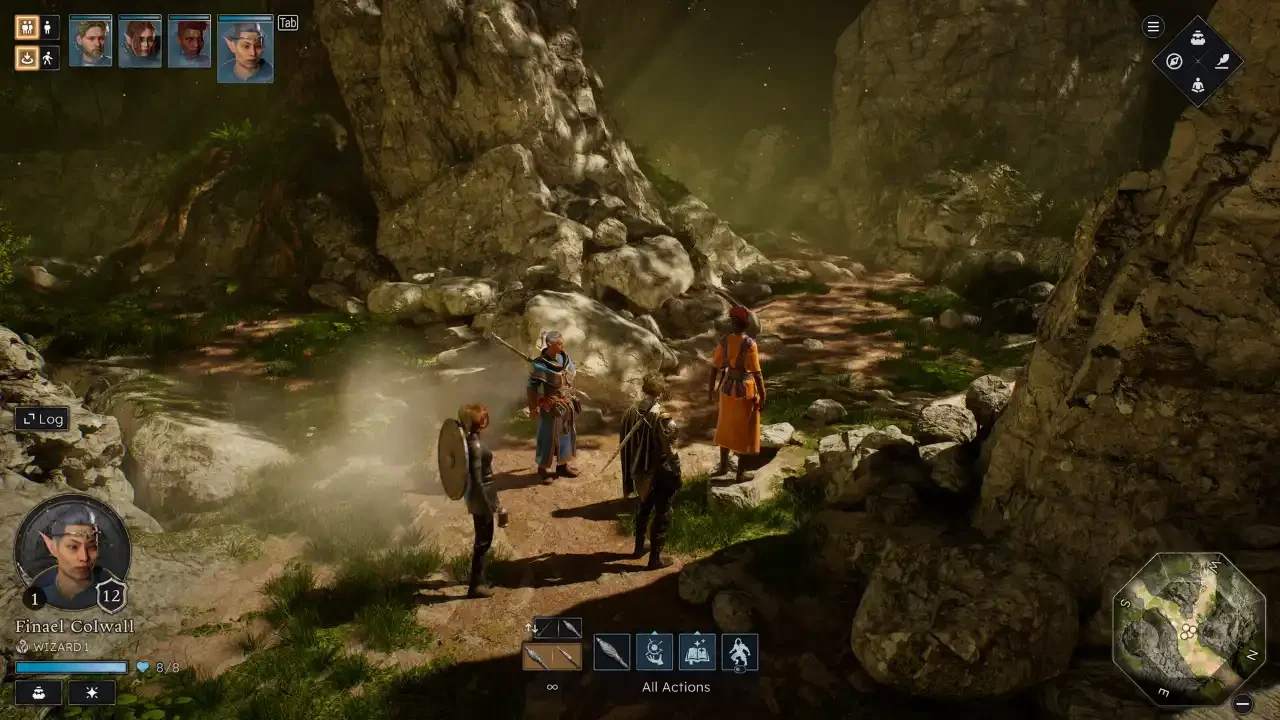
I have spent an unhealthy amount of time bashing my head against the tactical grid in Neokos. The harsh reality of Solasta 2 right now is the strict level 4 cap. You are not getting Extra Attack. You are not getting third tier spells. You are playing in the mud with limited resources, and that completely warps the traditional Dungeons and Dragons class meta.
I initially tried to force late blooming builds to work, and I paid for it in complete party wipes. You need classes that hit the ground sprinting. You need action economy, resource sustainability, and raw early game math. That is why the Paladin is currently sitting near the bottom of the barrel while a Constitution scaling Fighter absolutely breaks the game.
I evaluated all 13 subclasses currently available based on their raw combat power, survival capabilities, and how well they utilize the updated mechanics. Before you lock in your Colwall family, consult this ranking so you do not accidentally draft four characters who are completely useless.
S-Tier: The Hard Carries
These subclasses define the current meta. If you want a relatively smooth experience, you need at least one or two of these in your party. If you want to see exactly how these three interact on the grid, I built an entire squad around them in my breakdown of the best party compositions for Solasta 2 early access.
Aether Warden (Fighter)
The Aether Warden is the undisputed king of early access. Fighters already dominate low levels because Action Surge is the best ability in the game. This subclass takes that martial dominance and adds spellcasting that scales entirely off your Constitution stat. You get massive health, incredible physical damage, and the ability to drop control spells like Sleep without needing a high Intelligence score. It is completely self sufficient and borderline broken.
Mana Painter (Sorcerer)
Sorcerers usually struggle early on because they run out of spell slots in roughly three minutes. The Mana Painter solves this by allowing you to regenerate Sorcery Points by hitting enemies in melee. You get a constant loop of resources to fuel your Metamagic, allowing you to cast a leveled spell as a bonus action and still attack in the same turn. You also get temporary hit points every time you cast a spell, making you weirdly durable for a magic user.
Life Domain (Cleric)
You are going to take a lot of damage in Solasta 2. The Life Domain Cleric is the only support build that can reliably keep a party breathing without blowing through all their spell slots in a single fight. They get heavy armor proficiency right at level one now, so they rarely go down. Their healing spells roll double the usual dice, and their Channel Divinity gives you a massive burst heal that does not even cost a spell slot.
A-Tier: Reliable Workhorses
These options are incredibly strong and will easily pull their weight. They just lack the absolute game breaking utility of the S-Tier picks.
School of Ruin (Wizard)
If you want to play a glass cannon, this is your best option. The School of Ruin gets two extra damaging spells added to their spellbook right at level 3. More importantly, they get a flat damage bonus added to every damage die rolled. When you cast Scorching Ray, every single ray hits significantly harder. You will be squishy, but you will absolutely melt enemy health bars before they can reach you.
Commander (Fighter)
While the Aether Warden is a selfish tank, the Commander is the ultimate team player. The Rousing Shout ability grants your allies temporary hit points and advantage on their next attack roll. When you pair this with the new Weapon Mastery system, you can completely dictate the flow of combat. It is simple, reliable, and makes everyone else in your family unit look better.
Shadowcaster (Rogue)
Every party needs a Rogue to handle traps and locks. The Shadowcaster takes that mandatory utility and adds Wizard cantrips to the mix. The recent rework allows you to apply Sneak Attack damage to spells that use attack rolls. This gives you massive flexibility to fight effectively from the backline or jump into melee depending on what the encounter demands.
B-Tier: Niche and Needy
These subclasses are not terrible, but they require a lot of specific setup or babysitting to actually feel effective.
Court Mage (Wizard)
The Court Mage is built around surviving in melee range. You get shield proficiency and a Spell Shield ability that absorbs damage. The problem is that Solasta 2 already has plenty of great frontline tanks. I warned about this extensively in my guide on character creation mistakes, but trying to force a Wizard into heavy combat usually ends poorly unless you know exactly what you are doing with your stats.
Battle Domain (Cleric)
This is a fun hybrid class that tries to do everything at once. You get heavy armor, martial weapons, and a massive self heal called Divine Fortitude. The issue is that you end up spread incredibly thin. You are a decent melee fighter, a decent spellcaster, and a decent healer. In a tactical game that rewards specialization, being merely decent at everything usually means you get overwhelmed during boss fights.
Star Child (Sorcerer)
The Star Child gets extra force damage whenever they use Metamagic. It sounds great on paper, but you simply do not have enough Sorcery Points at level 4 to trigger this consistently. Unlike the Mana Painter, you have no way to regenerate your resources mid fight. You will blast a group of enemies once, run dry, and spend the rest of the dungeon casting weak cantrips.
C-Tier: The Early Access Casualties
These subclasses were gutted by the 2024 ruleset changes and the low level cap. They might be amazing at level 10, but right now they are a liability.
Oath of Liberation and Oath of Judgement (Paladin)
I am grouping both Paladin subclasses together because they share the exact same fatal flaw. I covered this heavily in my guide on how the 2024 ruleset combat changes affect the game, but the short version is that Divine Smite now eats your bonus action. Your action economy is completely ruined. You have to choose between dealing damage, using Lay on Hands, or activating your subclass abilities. You simply do not have enough spell slots or actions per turn to make these subclasses shine at level 4.
D-Tier: A Waste of Space
You have to actively try to make these builds work, and the payoff is never worth the effort.
Oblivion Domain (Cleric)
This subclass is built entirely around the concept of saving dying party members. You get an ability to revive downed allies at 1 HP from 30 feet away. If your tactical plan relies on your party constantly bleeding out on the floor, you need a new plan. The necrotic damage from Herald of Pain is decent, but it is not enough to justify taking this over the raw mathematical superiority of the Life Domain.
F-Tier: The Absolute Bottom
Do not pick this. Just do not do it.
Scavenger (Rogue)
I rank the Scavenger dead last because its core features are virtually useless in the current sandbox. You get a slight bonus to slashing damage, which is fine, but you completely sacrifice the spellcasting utility of the Shadowcaster. The main draw is the Haggler feature, which gives you a 10 percent discount at vendors. Getting a slight discount on a healing potion does not help you when a bugbear caves your skull in during a random encounter. Avoid this subclass entirely.