Sony's New Financial Report Reveals an $800M Bungie Disaster, Bloodborne Movie, and More
Sony just pulled back the curtain on its true financial health, and the view behind the scenes is a chaotic mix of massive software profits and absolute corporate disasters.
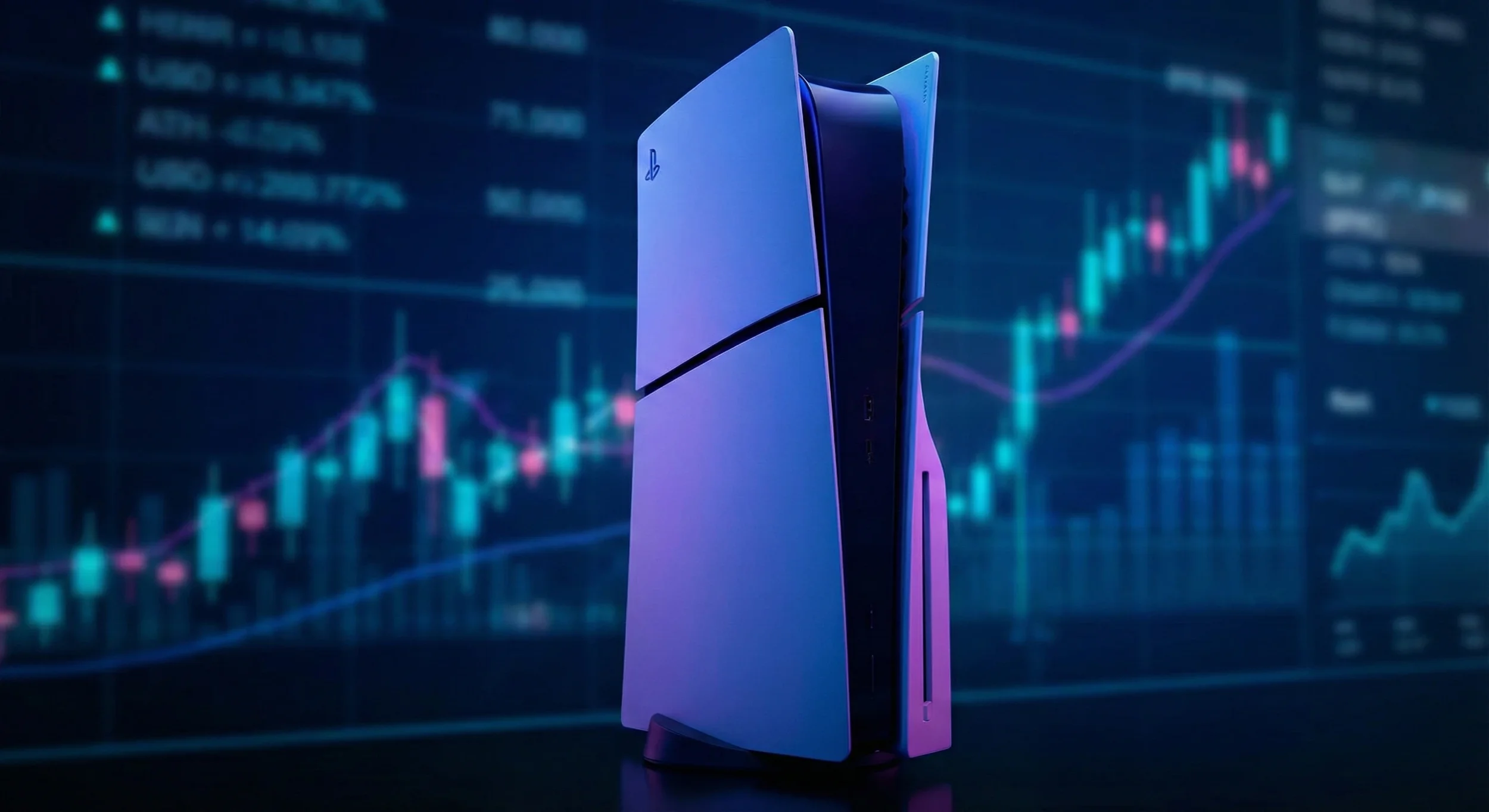
Reading through a dense government financial report is usually a great way to put yourself to sleep, but the newly released Sony Form 20-F filing for the fiscal year is a goldmine of information if you know where to look. If you want to know what the future of the platform looks like, you have to follow the trail of cash. The core gaming division brought in a record operating income of 463.3 billion yen, making it the single largest segment in the entire multi-trillion yen company. Look a little closer at the line items, though, and you will see that your hardware purchases are actually shrinking while digital downloads and subscription fees are propping up the entire tent.
The Massive Bungie Disaster
The single biggest gaming story hidden in the text is the absolute destruction of value surrounding the creators of Destiny.
Sony officially wrote off 120.1 billion yen (which translates to roughly 800 million USD) in impairment losses against Bungie's assets. According to the document, management determined that sufficient future cash flows were simply not expected to be generated to recover what they originally paid for the studio.
Before you try to wrap your head around that kind of corporate loss, remember that Sony bought Bungie back in 2022 for about 3.6 billion USD. Vaporizing nearly a billion dollars of that value in less than four years is a catastrophic look. To put this into perspective, if you completely remove this massive write-down from the ledger, the gaming division's operating income would have soared to roughly 583 billion yen. Instead, the company had to swallow a massive financial anchor because the underlying business growth was far more modest than the headline numbers suggest. A foreign exchange tailwind helped considerably, boosting sales by 87.3 billion yen and operating income by 54.3 billion yen just from currency movements.
The Memory Semiconductor Crisis
If you are waiting for a massive price cut on current hardware or expecting aggressive bundle deals this winter, I have bad news for you.
The filing explicitly warns about a global surge in demand for memory semiconductors that started hitting the market hard in the latter half of fiscal year 2026. This shortage is being driven entirely by corporations building out massive AI infrastructure, which is actively choking the supply chain and driving up manufacturing costs for consumer tech. It is affecting everything across the gaming, electronics, and sensor segments.
Adjusting Hardware Expectations
Sony's stated strategy for handling this chip crisis is to manage the impact on profitability by flexibly adjusting plans for unit sales and promotions.
Before you get caught flat-footed looking for retail discounts, you should understand the corporate translation here. Expect fewer hardware sales, less aggressive retail promotions, and potentially constrained store inventory. The company is flat-out telling investors that it will protect its profit margins by refusing to lower the price of your console. To make matters worse, the report notes that worsening crude oil prices stemming from ongoing Middle East tensions are placing even more cost pressure on shipping these exact same hardware components. Hardware sales already dropped significantly from 1.58 trillion to 1.39 trillion yen due to lower unit sales, so the business is leaning away from boxes and heading toward services.
Aggressive Tier Hopping On PS Plus
Your subscription fees are officially the engine keeping the entire platform running.
Network services revenue jumped significantly from 669.9 billion yen to 763.1 billion yen over the last year. The text lays out the exact roadmap for how the company plans to keep that number growing: driving profitable growth by increasing user engagement, continuously improving service content, and inviting users to shift to higher tiers.
That last corporate phrase is particularly notable. If you are currently sitting on the basic Essential tier, you can expect your dashboard to get a lot more aggressive about pushing you toward the more expensive Extra and Premium brackets. The corporate strategy is no longer just about signing up new accounts, it is about squeezing more monthly revenue out of the people who already live in the ecosystem, and the numbers show that the plan is working.
Single-Player Commitments Meet The AI Revolution
The document outlines a very specific dual-track strategy for the internal development studios moving forward.
The plan relies on consistent, annual releases of single-player games, which have traditionally been the core strength of the brand, while simultaneously building out a portfolio of live-service games. This annual release cadence for major single-player titles is a serious strategic commitment, especially given how incredibly long modern development cycles have become.
The Rise of Automation
To actually hit that aggressive annual single-player timeline, the company is leaning heavily into generative technology behind closed doors.
The filing explicitly mentions using AI within its studios to automate repetitive workflows and improve overall productivity. The corporate overlords are targeting software development, quality assurance, 3D modeling, and animation as the primary areas for this automation push.
The executive team seems deeply aware of how radioactive this topic is to the creative community, though. The report takes extra care to echo public comments made by the CEO back in May 2026, reiterating that human creativity must remain at the center and that automation is not a direct replacement for actual artists or creators. It feels like a defensive marketing shield, but the financial commitment to automating these pipelines is right there on the ledger. On the consumer side, they are also deploying AI to route your transactions more efficiently and personalize content recommendations in the store.
Unexpected Film and Television Confirmations
We usually have to rely on sketchy Hollywood insider rumors for adaptation news, but when projects show up inside a formal financial filing, it means they are actively moving through the production pipeline.
The document explicitly confirms a handful of major upcoming multimedia projects designed to turn gaming IP into screen revenue. There is a Ghost of Tsushima anime series currently in development, being produced as a massive internal collaboration with Aniplex, SMEJ, and PlayStation Productions.
Furthermore, the document confirms that full theatrical film adaptations of both Bloodborne and Helldivers are actively being produced alongside Sony Pictures Entertainment. Seeing Bloodborne escape its long-standing software prison just to become a movie before getting a proper current-gen remaster is an incredibly bittersweet pill to swallow, but the project is officially real. Looking ahead to the fiscal year 2027 theatrical slate, the text also singles out Spider-Man Brand New Day and Jumanji Open World as the big anticipated heavy-hitters.
Anime Subscriptions And Strategic Buyouts
If you want to know where the actual corporate growth is happening, look directly at the anime sector.
The media empire is quietly turning into an anime juggernaut, driven heavily by Crunchyroll blowing past 21 million paid subscribers as of March 2026. The theatrical release of the Demon Slayer Infinity Castle film was a massive win for the company, generating huge waves of cash across both the Pictures and Music divisions simultaneously.
Management is doubling down on this ecosystem by aggressively buying up market share. The report highlights that they completed an 80% stake acquisition in Peanuts Holdings, deepened their corporate ties with Bandai Namco by purchasing additional shares throughout the fiscal year, and purchased further shares in Kadokawa. The CEO went as far as calling anime an important growth sector at the corporate strategy presentation, meaning you can expect your gaming and anime ecosystems to blend together even more over the next few years.
The Casualties: Electric Vehicles Are Out
On the tech side of the business, the dream of driving a PlayStation-branded electric vehicle is officially dead.
The joint venture known as Sony Honda Mobility has completely collapsed. The report reveals that Honda completely reassessed its entire global electrification strategy in March 2026, leading to a swift decision to discontinue the development and planned launch of their electric vehicle models.
The entire business is being aggressively downsized, and the brand took a clean 44.9 billion yen loss just to walk away from the wreckage. If you remember that strange AFEELA concept car that was constantly being paraded around consumer electronics shows over the last couple of years, you can officially say goodbye to it. It has been completely discarded on the corporate cutting room floor.
Structural Reforms And Global Partnerships
The total employee headcount across the global corporation saw a massive drop, plummeting from roughly 112,300 down to 94,900 people.
Before you panic about massive structural layoffs across your favorite game development studios, the vast majority of this 17,400-person drop came from the company completely spinning off its financial services business. There were still some painful cuts hidden in the margins, though, including headcount reductions from structural reforms in the home entertainment and display business in Japan, alongside business divestitures in the image sensor market outside Japan. Interestingly, the core gaming division actually grew slightly, climbing from 12,100 to 12,300 employees globally.
The TCL Television Shift
If you buy Bravia televisions specifically because they are marketed as the perfect companion hardware for your console, you will want to keep a close eye on a new manufacturing shake-up.
The company signed definitive agreements in March 2026 for a deep strategic partnership with TCL in the home entertainment field. The filing frames this move as combining internal picture processing technology and brand value with TCL's advanced display tech and end-to-end vertical supply chain strength.
Reading between the lines, it looks like a major shift toward outsourcing the expensive physical manufacturing of displays to TCL so the company can focus purely on software and internal processing chips. It is a smart move for the bottom line, but it means the premium hardware you buy in the future might have a very different origin story under the hood.
Future Capacity and Cash Flows
Despite the pain of the Bungie write-down and the memory shortages, the company is still throwing around massive amounts of capital.
They spent 246.7 billion yen just on image sensor production capacity, which completely dwarfs what most people imagine consumer electronics companies spend on components. They are also in discussions with TSMC about a joint venture for next-generation image sensor development, with Sony holding the majority stake. Even if that is mostly for smartphones, the stacking and density technology will likely trickle down to your future gaming gear. Management is so confident in their cash generation that they completed 500 billion yen in share buybacks, planned another 500 billion yen buyback for fiscal year 2027, and bumped the dividend up to 25 yen per share with plans to hit 35 yen. PlayStation is transforming into a pure software, anime, and automated development machine, and you are the one funding it.