Meccha Chameleon Seeker Guide: Catching Perfect Hiders
Finding your friends in a chaotic game of hide and seek requires a totally different approach when everyone can paint themselves to look exactly like the scenery.
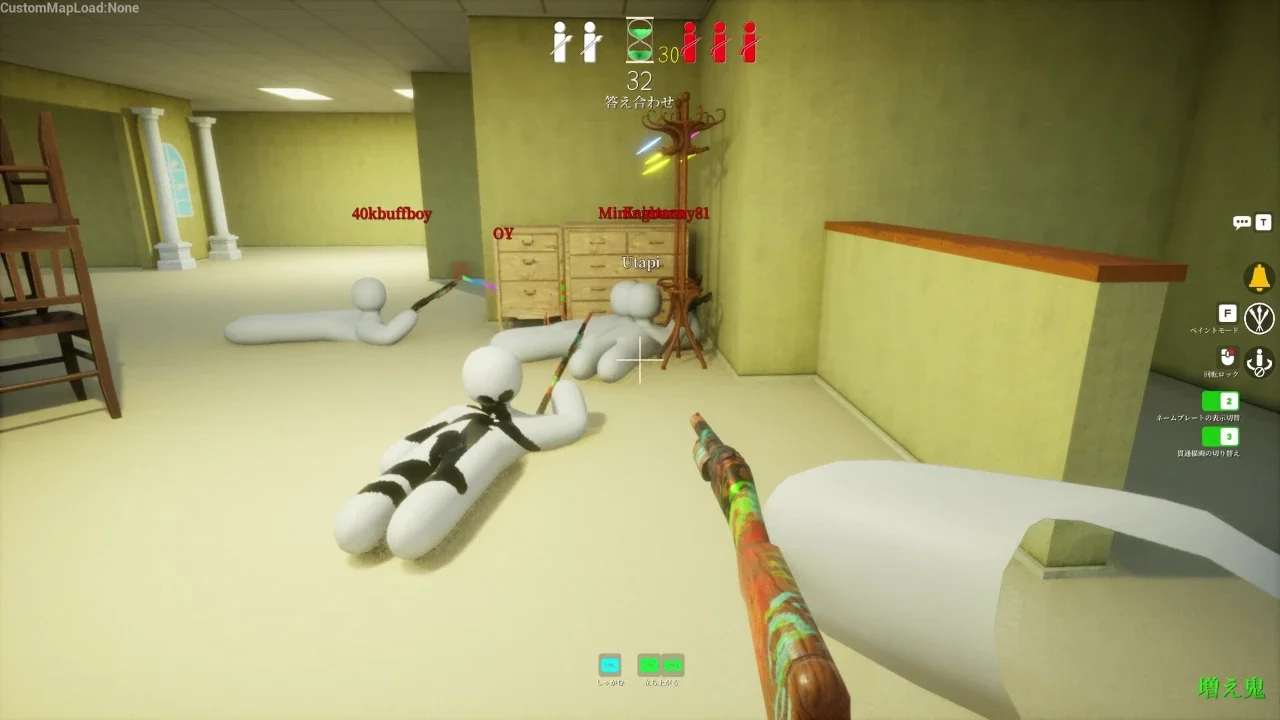
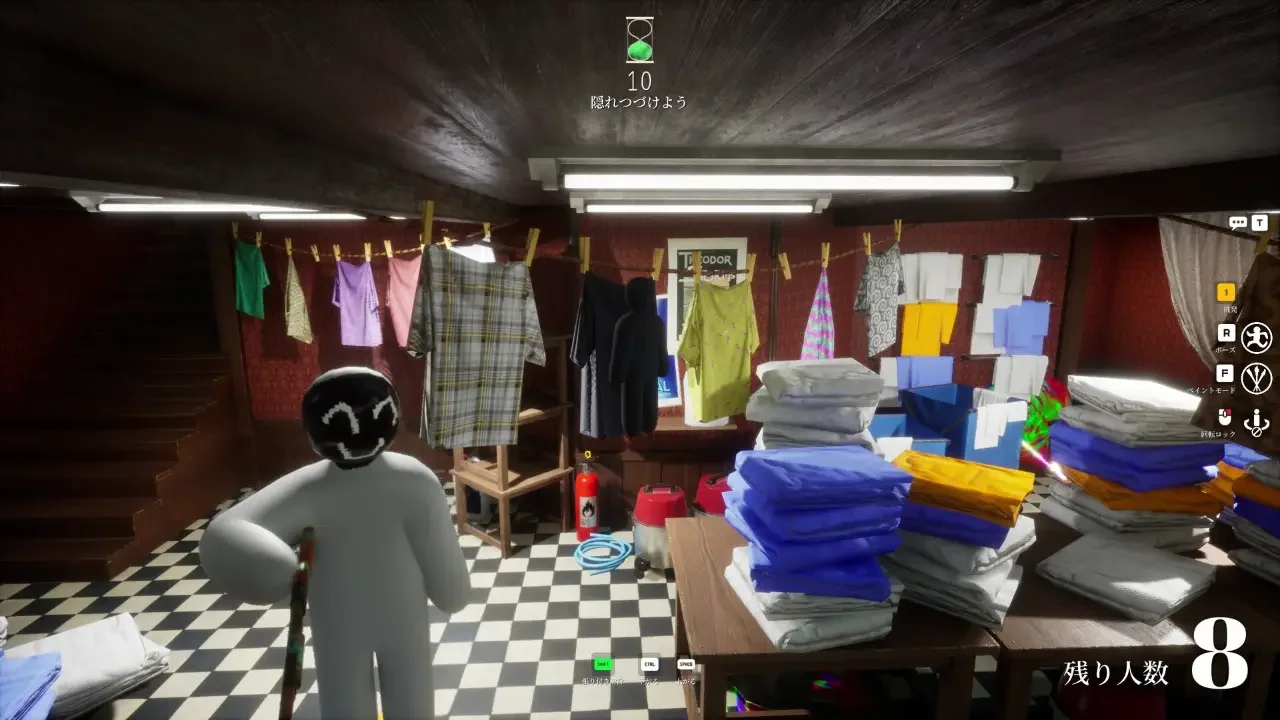
If you've spent any time tracking people down in this game, you likely know the frustration of staring at an empty room while the timer slowly ticks down. The problem usually stems from treating the match like a normal game of hide and seek. You expect to find someone tucked behind a sofa. If the people in your lobby actually read my advanced hider guide, they aren't behind the sofa at all. They painted themselves to look exactly like the wall texture next to it. Winning consistently means you have to completely change what your eyes search for.
Stop Spamming Your Shots
A massive temptation exists to just fire at anything that looks remotely suspicious. You have to break that habit immediately.
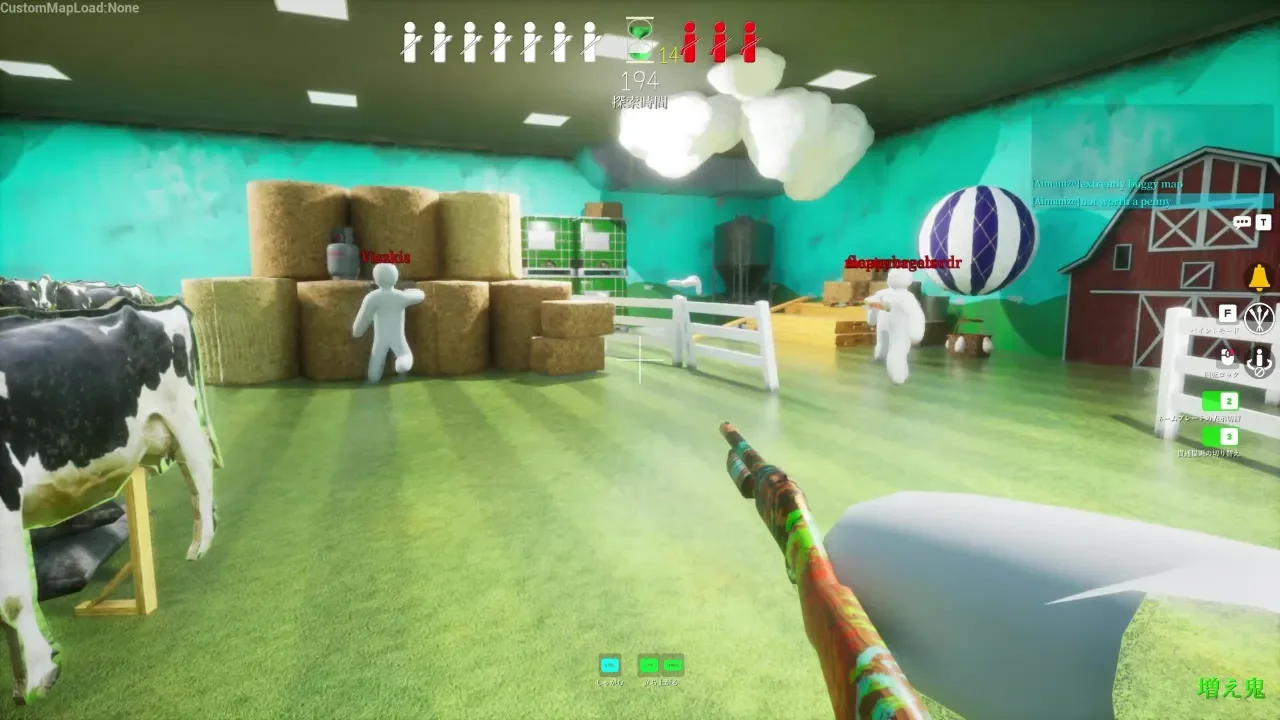
Every single time you take a shot and miss, you lose health. Running around testing every slightly weird shadow or discolored crate will deplete your health long before the timer actually runs out. I see so many winnable rounds thrown away because people panic and start blasting at the scenery. Slow down. Notice a detail that looks wrong, confirm it from another angle, and only shoot when you feel nearly certain.
Treating your health pool like a valuable resource keeps you in the game longer and makes the whole experience way less stressful.
Hunt Shapes and Glitches
Your brain naturally wants to search for wrong colors. A smart hider uses the game's eyedropper tool to get their color mathematically perfect. You'll never catch them by simply looking for bad paint jobs.
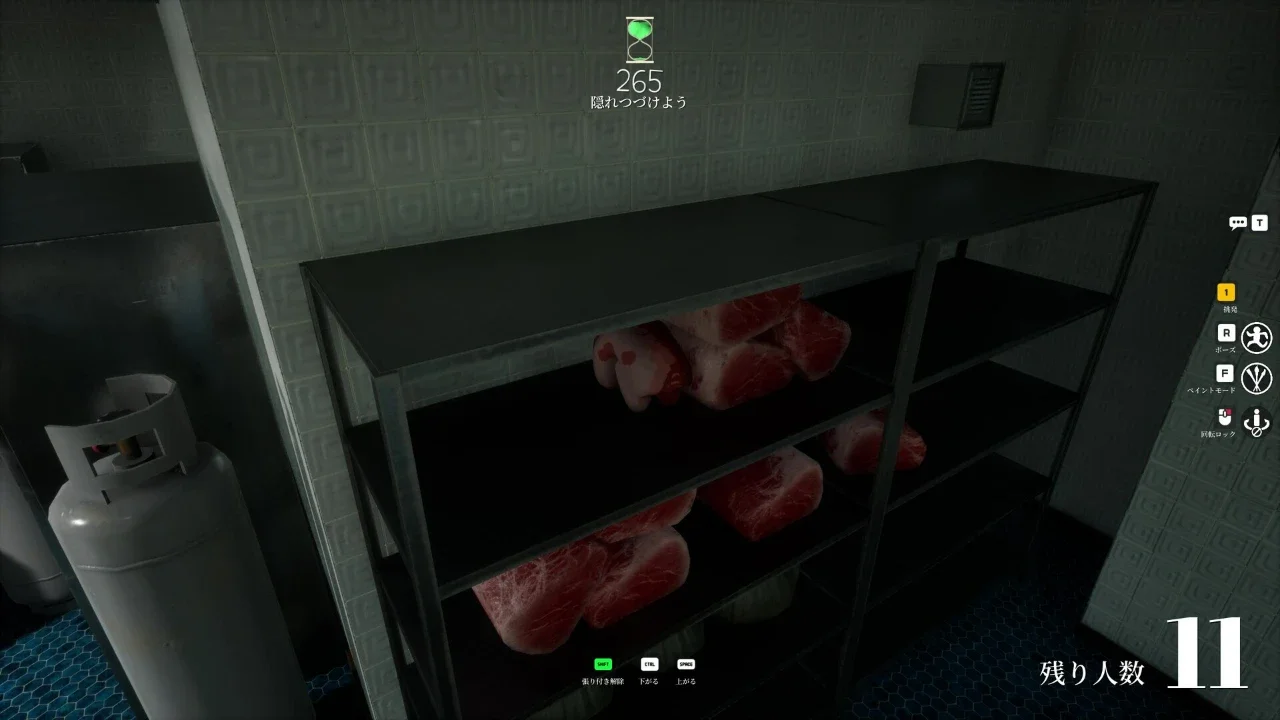
You need to hunt for visual errors instead. Look for a shadow that falls in the wrong direction compared to the actual light source in the room. Search for a glossy reflection on a wooden shelf that should look completely matte. You're essentially looking for reality to break. Real objects stay consistent, but painted characters almost always miss a tiny detail. A classic giveaway is an outline that simply doesn't match the prop it attaches to, or an object sitting in a spot where it has absolutely no reason to be.
Hunting for broken reality rather than mismatched colors makes catching your sneaky friends incredibly rewarding.
Distrust the Perfect Corners
As the people in your lobby get better at the game, they'll stop hiding in dark corners. They'll start hiding right out in the open because nobody bothers to scrutinize an ordinary hallway wall.
Train your eye to distrust areas that look too clean or too meticulously arranged. If a cluster of objects looks like someone staged it for a cute photo, a person is probably sitting right in the middle of it. Doubting ordinary spaces opens up a whole new layer of fun mind games with your group.
Clear Zones Methodically
The hunt timer always makes you feel like you need to sprint everywhere. Sprinting just guarantees you leave corners unchecked.
Wasting three minutes running back and forth across the same room is incredibly frustrating. Mentally chop the map into zones. Clear one wall, one cluster of crates, or one high angle completely. Move on only after you finish that section. Establish a strict hierarchy for yourself. I always check the wall edges first, then scan the large props, sweep the elevated spots, and finish with the floor level objects.
You also need to know exactly why you consider a zone clear. If your only reason is that nothing caught your eye on a quick glance, you haven't actually cleared it. Verify the shapes and the lighting logic. Having a simple checklist keeps the panic away and guarantees you actually clear a room properly.
Change Your Angle and Drop Low
A disguise can look absolutely flawless from the doorway. It almost always falls apart when you take three steps to the left.
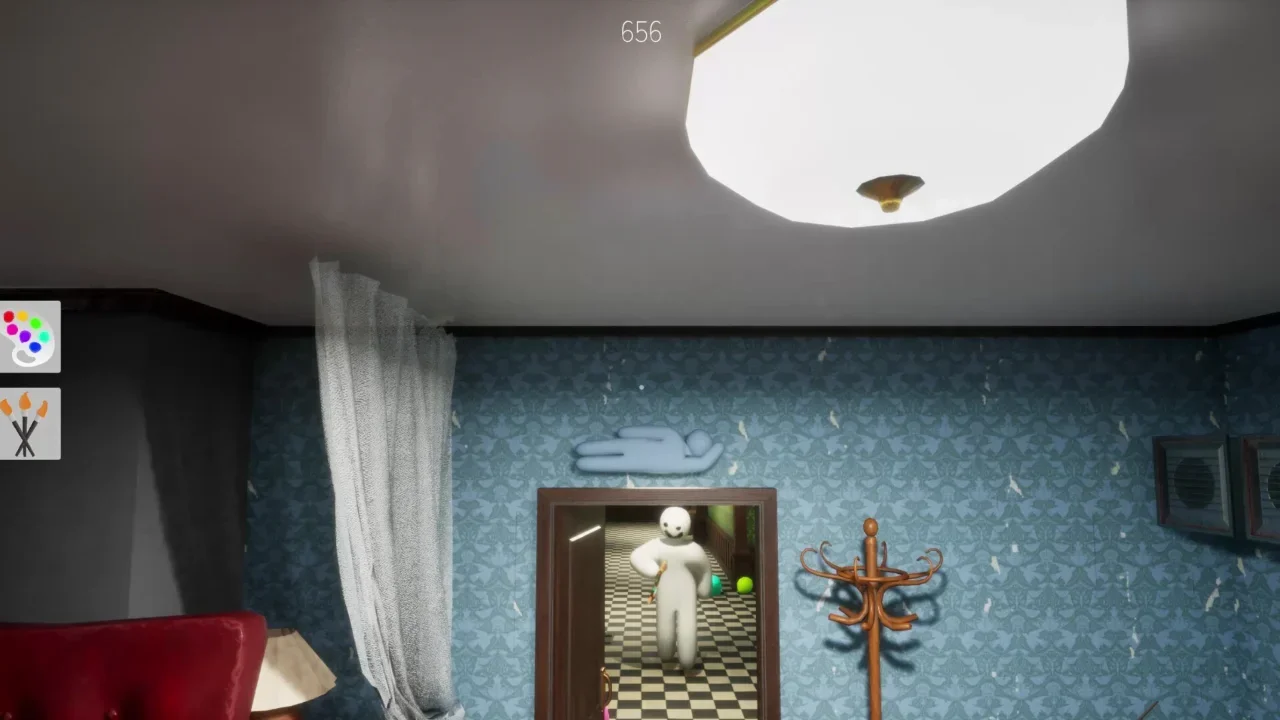
Most people paint themselves to look perfect from the exact angle they expect you to enter the room from. If you spot a suspicious shape, don't just stare at it. Sidestep or climb up on something nearby. If the shape shifts differently than the wall behind it, you just found your target.
A ton of the best hiding spots sit well below your default eye level. Drop into a crouch and manually inspect the bases of shelves and the floor patterns. I highly recommend lowering your mouse sensitivity below what you normally use for other games. A slow and steady camera sweep catches the slight color variations that a fast flick skips right over.
Taking a slower and lower look turns those impossible hiding spots into delightfully easy catches.
Play the Clock
If one specific spot eats up all your time and you just can't figure out if it is a person or a prop, leave it alone. Mark the location in your head and go clear the rest of the map. Getting stubborn over a random guess gives a massive advantage to everyone else hiding in the level.
The strongest move you can make involves returning to a suspicious area late in the round. A hider who survives your first pass will almost always relax and assume they're safe. That second look is usually when you catch them twitching or adjusting their camera. Cut off their escape route, walk back in, and take the shot. Walking away and surprising a relaxed hider later on is the absolute best feeling in the world.