Soulmask Game Modes Explained - Stop Staring At The Menu And Pick One
The sheer anxiety of choosing a game mode before you even know how to punch a tree is a special kind of psychological torture.
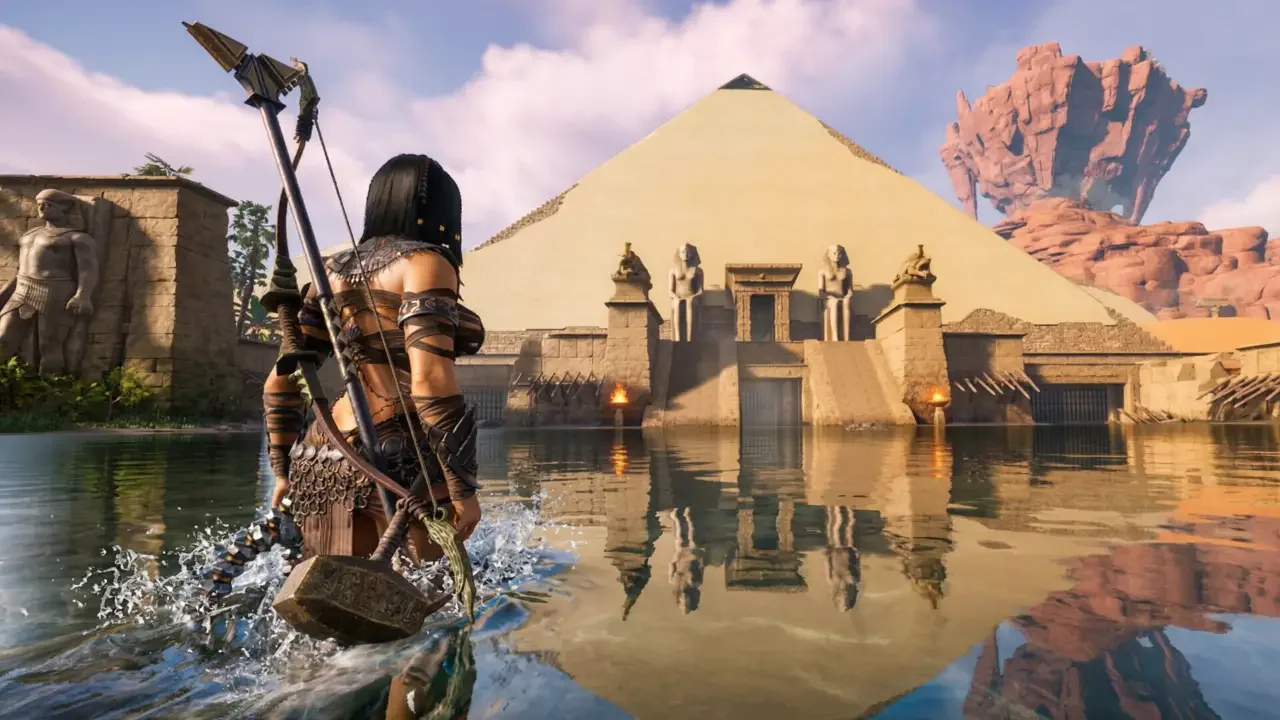
Loading up a massive survival crafter only to be immediately interrogated about how you want your entire experience to play out is exhausting. Soulmask drops three very distinct game modes in your lap right out of the gate. You have Survival, Tribe, and Warrior. If you make the wrong call here, you are looking at dozens of hours of sunk time before you realize you absolutely hate the pacing. I have spent enough time digging through the jungle and getting mauled by wildlife to know exactly how these settings warp the fundamental mechanics of the game.
Whether you want a brutal combat gauntlet or a cozy village automation simulator, you need to understand what is actually going on under the hood. The game does a terrible job of explaining the long-term consequences of this choice. I am going to map out exactly what you are signing up for.
The Illusion Of A Wrong Choice
You can technically enjoy the game regardless of what button you click on the main menu. The core loop remains intact across the board. You are still going to wake up with nothing, figure out how to craft basic tools, and eventually build a sprawling compound. But the friction you encounter along the way shifts drastically.
Why The Early Hours Matter
The first ten hours of Soulmask are dense. You are learning a complex UI, managing hunger, and figuring out how to stop local barbarians from turning you into a pin cushion. The game mode you select acts as a filter for that friction. It dictates whether the game actively helps you or stands back and watches you struggle. You will inevitably need to figure out how to get bronze, copper, and tin to progress your technology tree, but the amount of grinding required to reach that point is entirely dependent on your initial choice.
Tribe Mode
I usually tell people to swallow their pride and start right here. Tribe mode sounds like a secondary, niche option for people who just want to play a city builder. That is a massive misconception. This is effectively the guided tour of Soulmask and the best way to actually learn the incredibly deep automation systems without ripping your hair out.
The Automated Empire
If you enjoy the administrative side of survival games, this is your home. You get passive boosts that help your settlement grow much faster than normal. Resource gathering efficiency is permanently cranked up. You will spend less time mindlessly hitting rocks and more time managing your people. The technology tree is also tweaked to give you faster access to crucial unlocks. You will not be waiting forever to get your crafting stations operational.
Managing Your Population
The biggest draw here is the reputation and prestige progression system exclusive to this mode. It actively rewards you for expanding. You will also notice wandering merchants and random events popping up in the world, giving you a chance to buy rare resources instead of farming them manually. Because you will be recruiting a massive workforce, you will definitely want to know how to increase your tribe limit early on to maximize your base output.
The Catch
Combat is slightly more forgiving against standard enemies, but there is a massive trade off. Base invasions are significantly more intense. The game knows you are building a massive army, so it throws a massive army right back at you. You need to focus heavily on base defense and equipping your followers with adequate weapons.
Survival Mode
This is the vanilla, unadulterated Soulmask experience. If you played during early access, this is the exact ruleset you are already familiar with. There is absolutely no hand holding here. The game drops you in the dirt and expects you to figure it out or die trying.
The Unforgiving Grind
Survival mode does not give you bonus gathering rates or friendly merchants walking up to your door. You have to earn every single piece of scrap in your inventory. The progression curve is balanced, but it gets incredibly hardcore once you hit the mid to late game. You will be doing a lot of manual labor to craft the gear needed to face the region bosses.
Durability And Punishment
Because resources are tighter, keeping your gear functional becomes a massive priority. You cannot afford to constantly craft new armor sets every time you get into a fight. You will need to learn exactly how to repair weapons and buildings because durability loss is a constant, suffocating tax on your time.
If you decide to roll onto a multiplayer PvP server, you are essentially playing a modified version of this mode. PvP servers feature faster progression to compensate for the fact that other folks are actively trying to destroy your progress, and they remove some of the agonizing damage reduction penalties when fighting higher tier enemies.
Warrior Mode
Sometimes you just want to hit things with a giant sword and ignore the logistics of running a village. Warrior mode is built specifically for speedrunners and people who want pure, uninterrupted combat.
Stripping Away The Chores
This mode violently cuts out almost all the traditional survival mechanics. Building decay is completely disabled. Item durability is ignored. Most importantly, you do not lose your gear when you die. You are free to throw yourself at a difficult boss ten times in a row without worrying about the logistics of a corpse run. The technology tree is drastically altered to make combat unlocks incredibly easy to reach.
A Focus On Violence
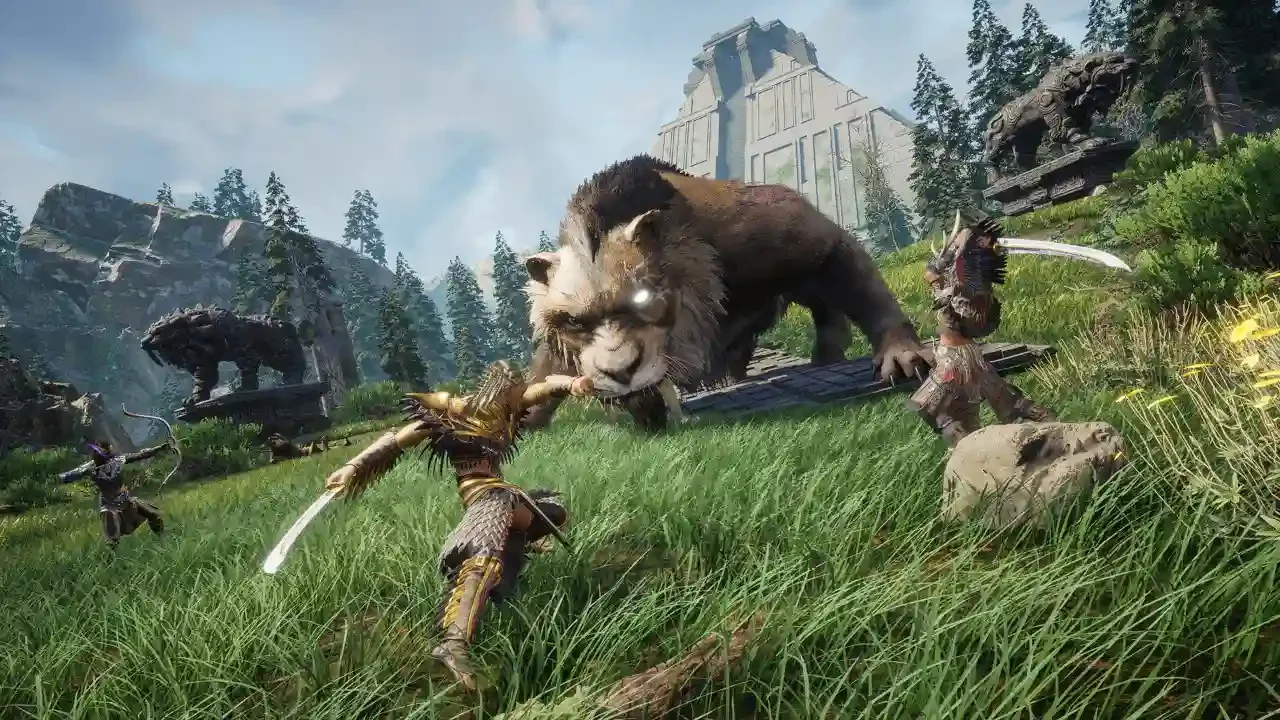
Because the game removes the fear of losing your items, it makes the actual fighting much harder. Enemies are smarter and hit significantly harder. You have to manage your stamina and poise perfectly. It feels much closer to a hardcore action RPG than a standard survival game. Enemy spawns are increased across the entire map, leaving a constant trail of targets for you to practice on.
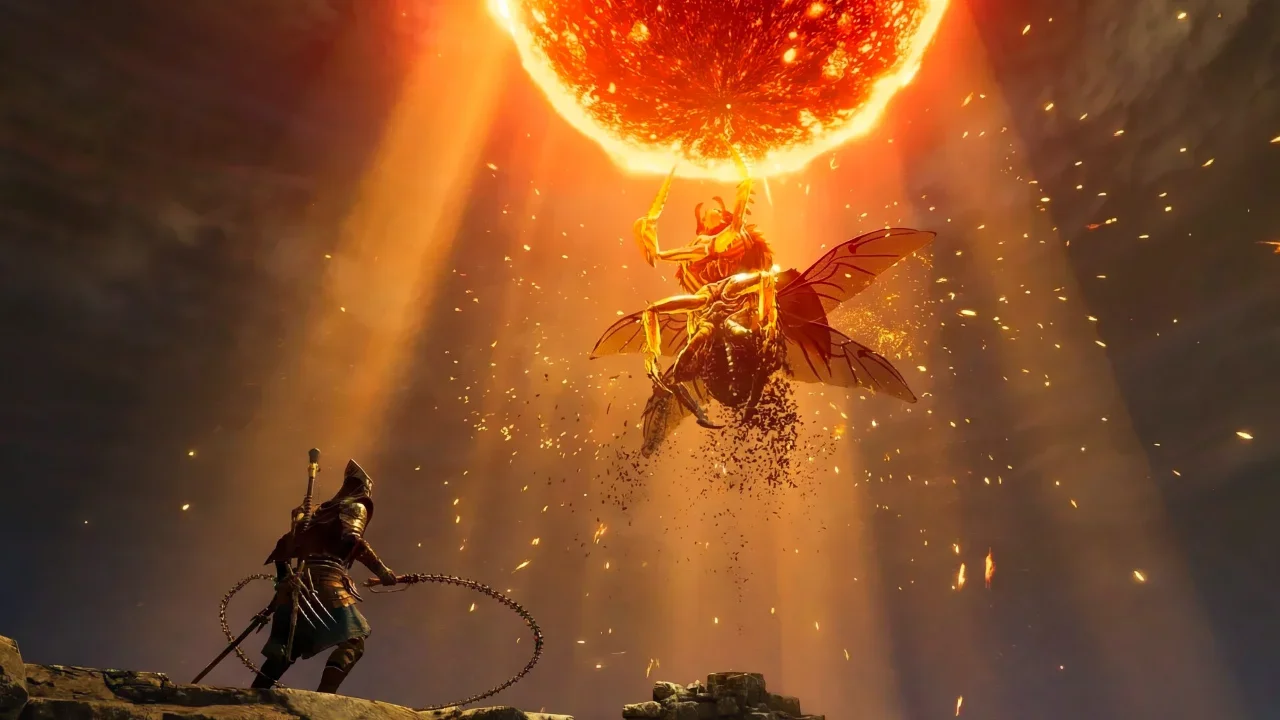
Boss Rushing
Since the goal here is to kill everything in sight, boss summoning items are directly added to the tech tree. In other modes, you have to grind out specific materials just to trigger a fight. You will still want to know the locations of worship containers and how to run a premium fresh meat farm to keep your supply lines healthy, but the friction of reaching the endgame bosses is significantly reduced.
Travel And Late Game Impact
Your game mode choice also impacts how you navigate the massive map. Walking everywhere gets old incredibly fast. While Warrior mode fans might just sprint through the jungle murdering everything, Tribe and Survival enthusiasts have to carefully plan their expeditions.
Getting Around The Map
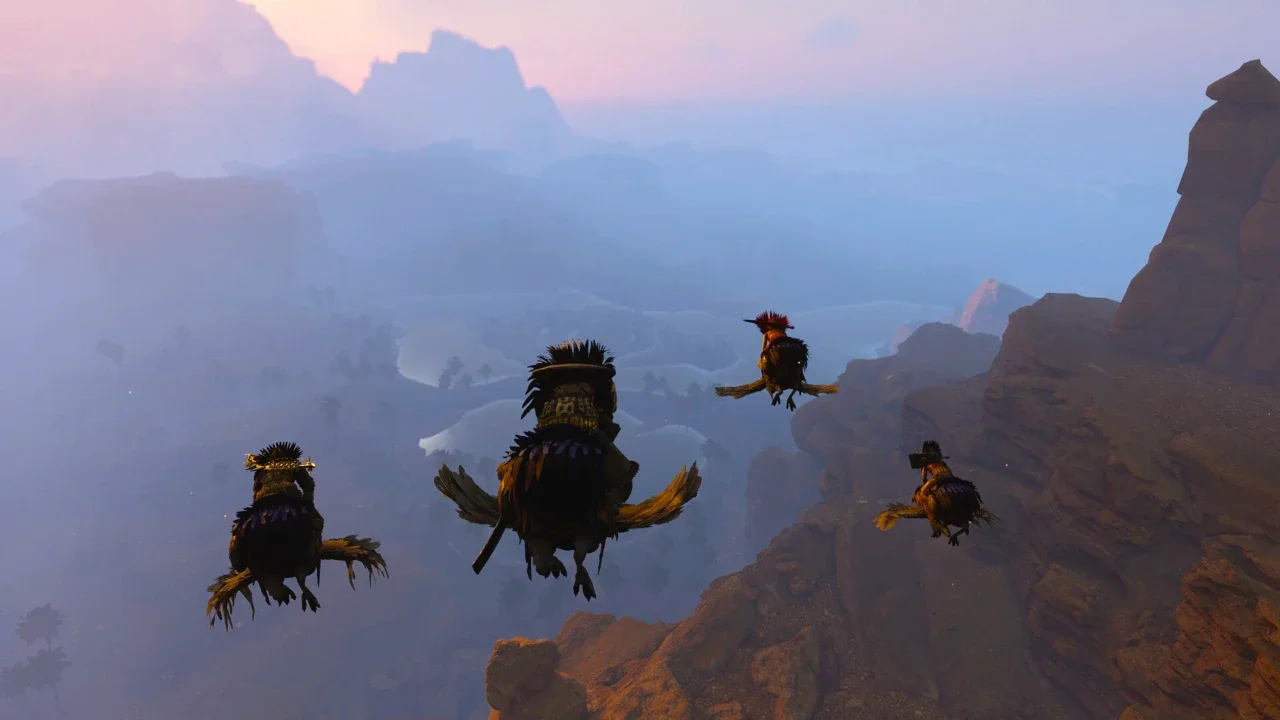
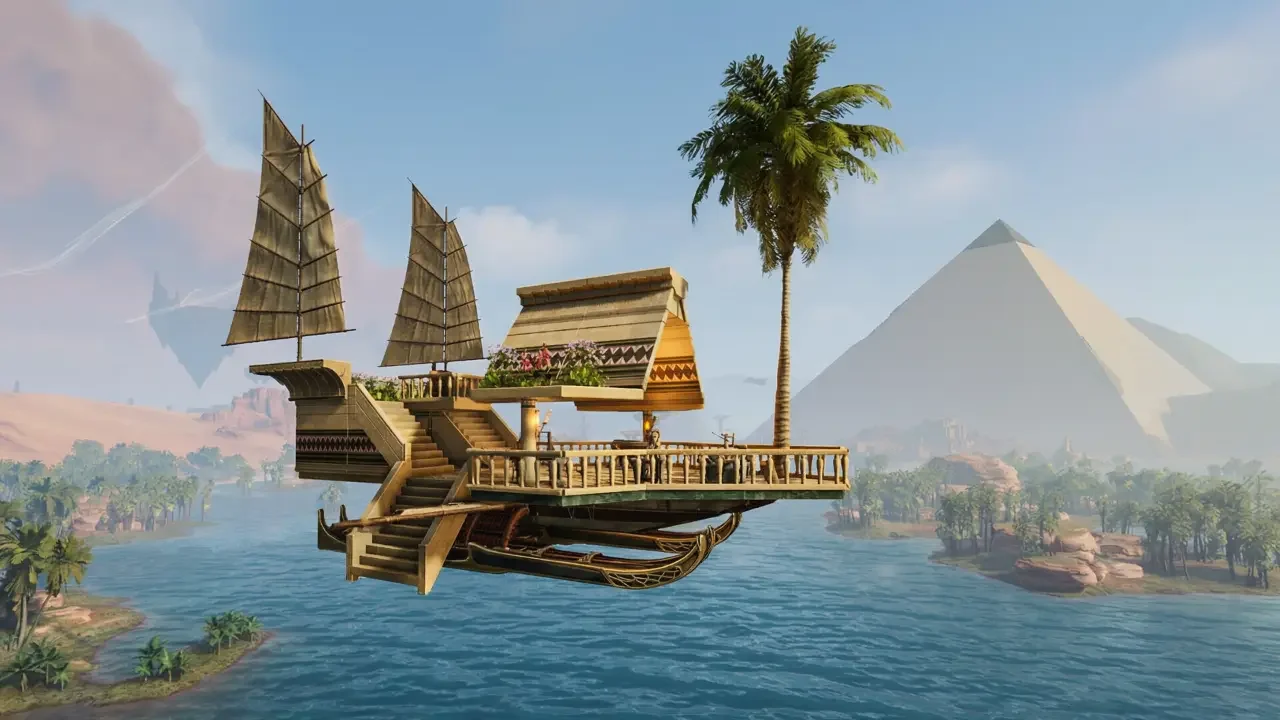
No matter what mode you pick, you need to unlock better transportation. Learning how to use fast travel and mounts is mandatory if you want to maintain your sanity. You will eventually progress far enough to look into how to build boats and airships, which requires a hefty amount of resources. Gathering the materials for an anti gravity engine is a minor inconvenience in Tribe mode, a dedicated weekend project in Survival mode, and mostly an afterthought in Warrior mode.