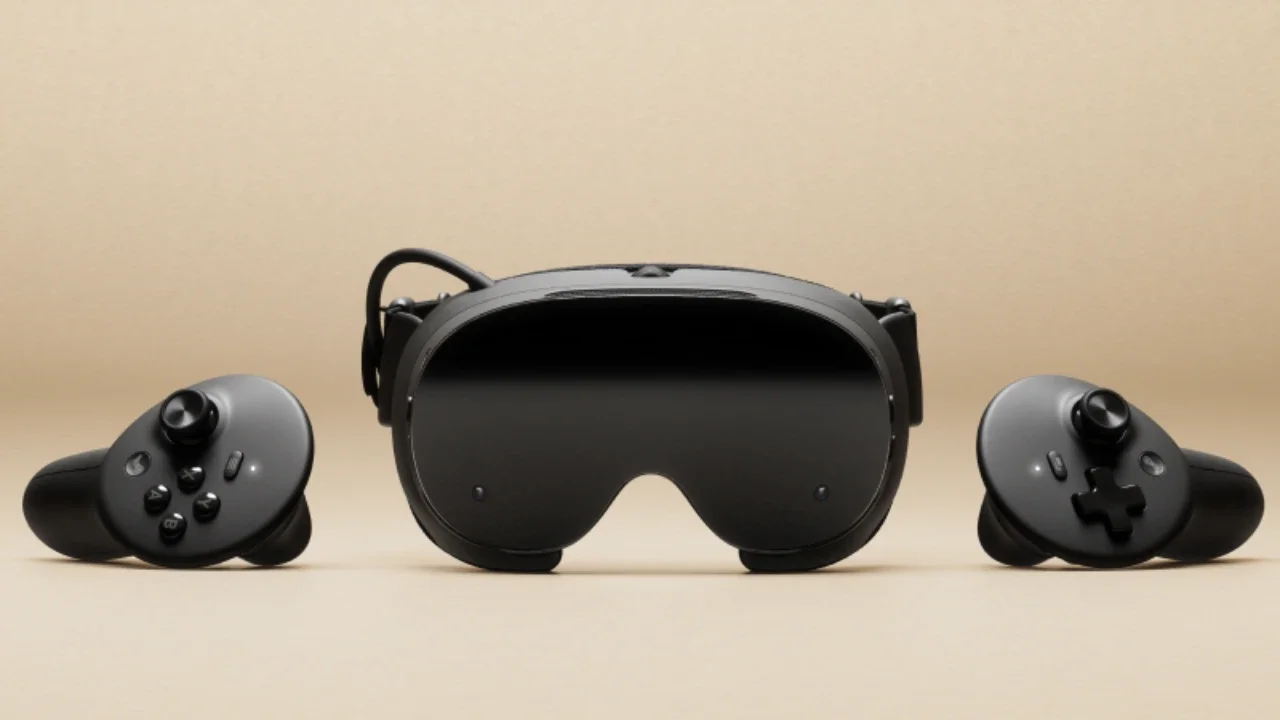
Valve Is Testing GenAI For NPC Chatter And I Cannot See The Appeal
The endless industry screaming match over artificial intelligence is draining my soul, but Valve's recent comments about dynamic dialogue warrant a heavy dose of skepticism.
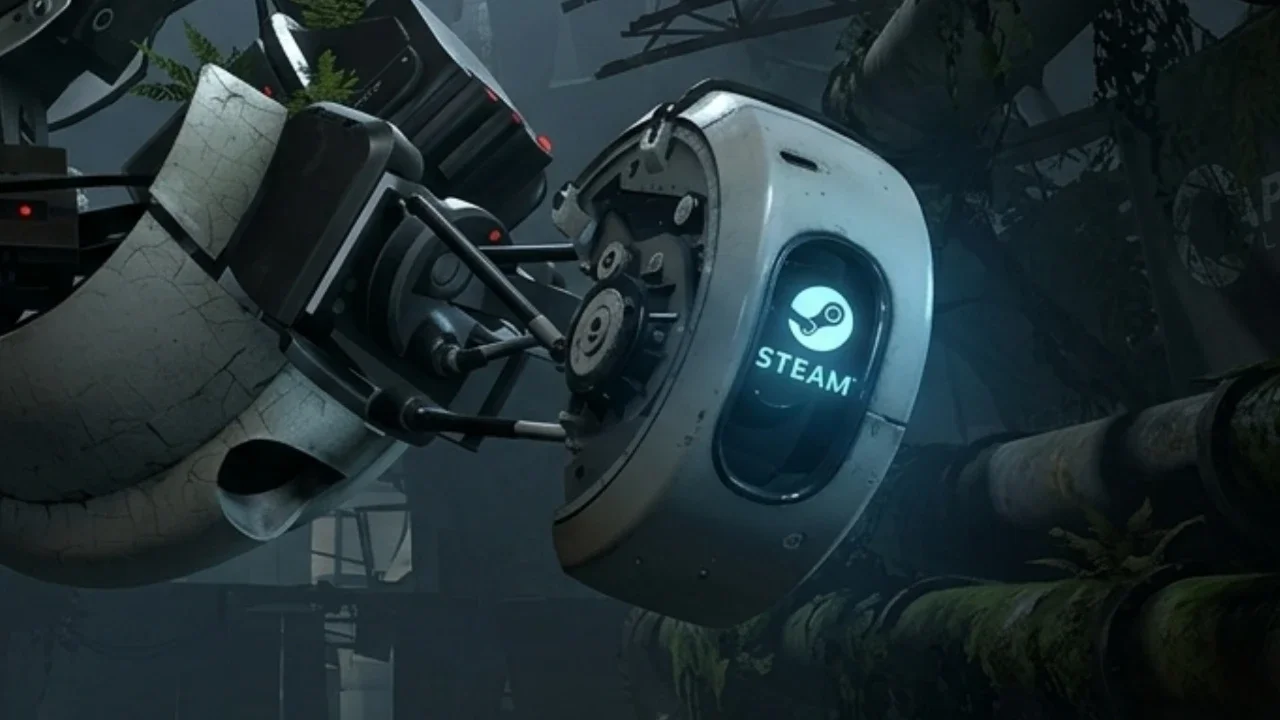
Every time I open social media, the games industry is locked in a bitter war over generative technology. You either want to burn the servers down to protect human artistry, or you are tripping over yourself to worship at the altar of the machine. There is zero middle ground anymore. I am slowly getting exhausted by this whole conversation. I am not as vehemently against the technology as most people on my timeline. Ultimately, it is a tool like any other piece of software. But when a studio like Valve starts talking about how they are utilizing that tool specifically for non player characters, my cynical brain forces me to pause.
The Reality Of The Valve Writers Room
The catalyst for my current headache is a recent episode of the MinnMax podcast. Erik Wolpaw, the legendary writer behind Portal and a massive chunk of Valve's narrative identity, sat down for a chat. Tucked away amid discussions about upscaling tech and industry gossip, he dropped a few heavy hints about the internal stance on artificial intelligence at the company.
Experimentation Over Immediate Replacement
Before you assume Valve has replaced their entire narrative department with a server rack, you need to understand the context of what Wolpaw actually said. He made it clear that he is currently part of a small group of writers internally experimenting with the tech. They are not using it to draft the overarching plot of whatever highly anticipated sequel you are currently dreaming about. They are not feeding it character bibles and asking it to spit out emotional story arcs.
According to the interview, the team is primarily testing generative models to help with dynamic NPC chatter in response to player actions. He gets incredibly technical during the podcast, and if you have any interest in game design, I highly recommend tracking down the episode. The core takeaway is that he never once mentions replacing design, art, or sound work with these tools. Individuals and teams at Valve are simply looking at the new tech and figuring out if it can solve historically annoying development bottlenecks.
The Chatbot NPC Delusion
This is where I have to step off the corporate defense train. I really do not get the appeal of using chatbots for NPCs. Game developers have been chasing this specific angle for the last two years, and I have yet to see a single application where it actually improves the player experience.
Flavorless Generic Dialogue
I cannot imagine a game where hooking up a language model to a random town guard is an objective upgrade. The entire concept feels deeply flawed from a player perspective. If the model is generating infinite dialogue on the fly, I am suddenly stuck reading flavorless, generic text for even longer than I would be normally. It turns every interaction into a tedious slog of procedurally generated filler. Games are already long enough. I do not want to stand in a digital tavern listening to a procedurally generated barkeep ramble endlessly about some bullshit weather pattern using predictive text algorithms. I value my time too much to play pretend with a glorified customer service bot.
Missing Out On Actual Writing
The alternative is honestly even worse. If the technology actually works seamlessly, I end up missing out on the good writing I came for in the first place. When I play a game written by someone like Erik Wolpaw, I am there for his specific brand of dark humor and meticulous pacing. I want the hand crafted jokes. I want the deliberate narrative breadcrumbs. If a local model is just guessing what an NPC should say based on my chaotic physics inputs, that human touch vanishes completely. It replaces a carefully authored experience with an algorithmic approximation of a conversation.
The Exhausting Witch Hunt Versus Genuine Skepticism
This brings me back to my massive internal conflict. I am sick of the blind panic that erupts the second the acronym is uttered. Directing anger at publishers who fire their art department to use generic image generators is entirely justified. That is corporate greed masquerading as innovation. But I also recognize that treating generative tech as a magical fix for game design is equally frustrating.
Finding A Valid Target
If Valve is treating this as a complex procedural tool to handle the tedious, unscriptable filler noise of a living world, I understand the logistical intent. Writing and recording reactive dialogue for the thousands of bizarre edge cases a player might create is a nightmare. A guard gets shot in the leg, watches a barrel explode, and then casually remarks about the wind. It is an immersion breaker. Trying to fix that mechanical problem makes sense from a purely technical standpoint. The developers want the world to feel alive.
The Core Disconnect
But knowing the technical reason does not make the end result any less unappealing to me as a player. I simply do not want to talk to a machine when I boot up a piece of interactive art. I am not grabbing a pitchfork, and I am not accusing Valve of ruining the industry. I am just looking at a feature that sounds incredibly boring on paper. The industry conversation needs to shift away from doomsday prophecies and blind hype. We need to start asking if these tools actually make video games more fun to play. Right now, infinite chatbot dialogue sounds like my personal version of gaming hell.