All Will Fall Building Guide: How To Stop Your City From Collapsing
Nothing tests your sanity quite like watching a four story housing complex plummet into the ocean because you forgot how gravity works.
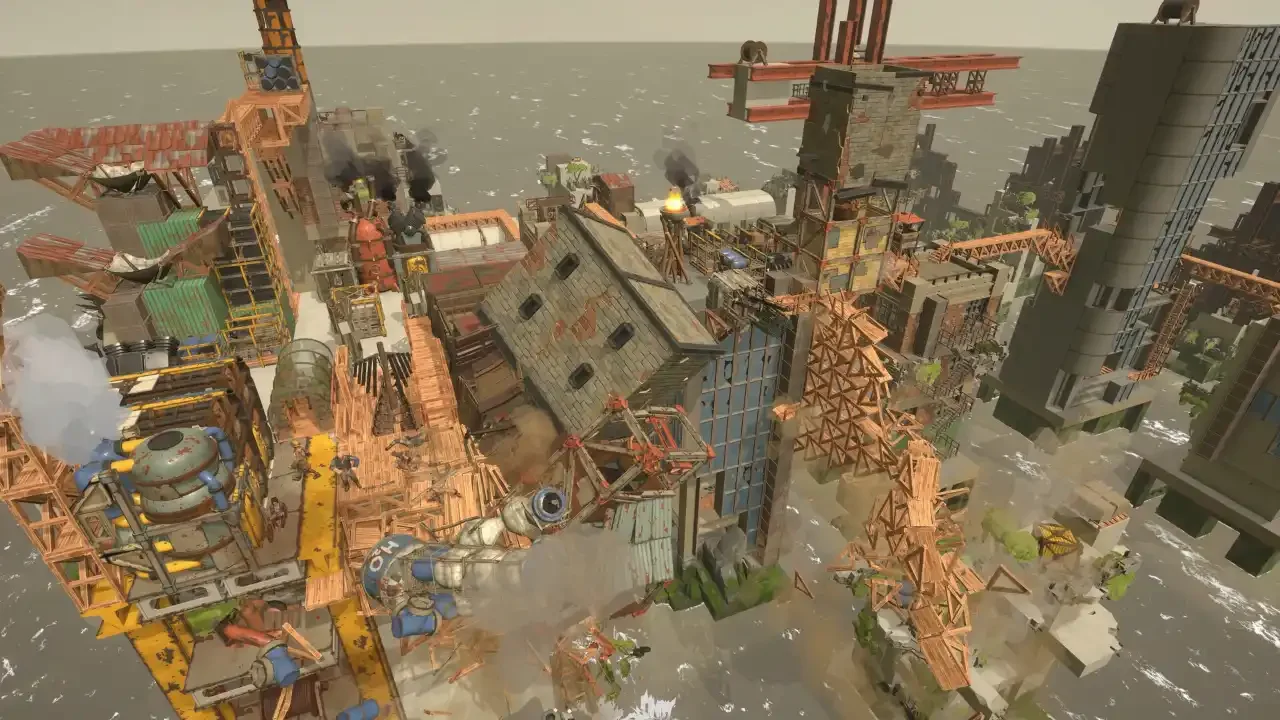
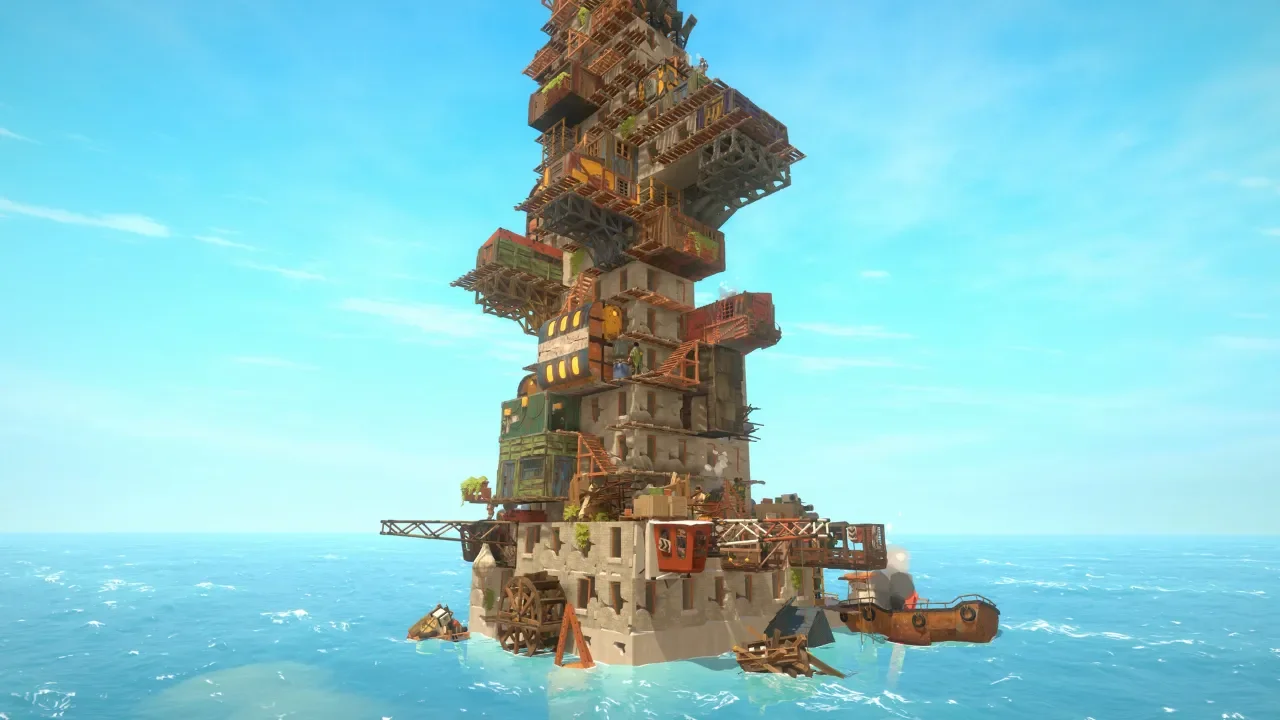
The urge to immediately stack your colony toward the sky is a trap. I get it. You look at the limited space, the rising ocean, and the harsh post apocalyptic landscape, and your first instinct is to build a sprawling skyscraper. The problem is that the physics engine in All Will Fall does not care about your dreams. It only cares about weight distribution, tension, and the structural integrity of your materials. If you try to play this like a standard grid based city builder, you will end up staring at a pile of floating debris and a sudden drop in your surviving population.
I spent my first few runs watching my ambitions crumble into the water. The game models real world construction stresses. When you slap a heavy water reservoir on top of a flimsy wooden platform, the game calculates the load. If the foundation cannot support the mass, the supports buckle, the floor gives way, and everything above it comes crashing down. You lose the resources, you lose the time, and worst of all, you lose the safety of your citizens. Surviving here requires patience and a fundamental respect for load bearing walls.
The Golden Rule of Horizontal Expansion
Your first major project in any scenario must be expanding outward, not upward.
Distributing The Weight
If you want to survive the early game, you have to secure a wide, stable footprint. A narrow tower is incredibly vulnerable to snapping at the base. By building horizontally first, you spread the massive weight of your production buildings and citizen housing across multiple foundation points. Every new structure you place adds stress to the supports beneath it. A wide base gives you multiple pillars to share that burden.
You need to keep an eye on how your structures connect. If you funnel all the weight of a massive production chain onto a single central column, it will eventually fail. I always try to interlock my ground level platforms. Creating a grid of supports ensures that if one specific section takes damage or strains under a new upgrade, the surrounding architecture can help absorb the load.
Housing Placement And Logistics
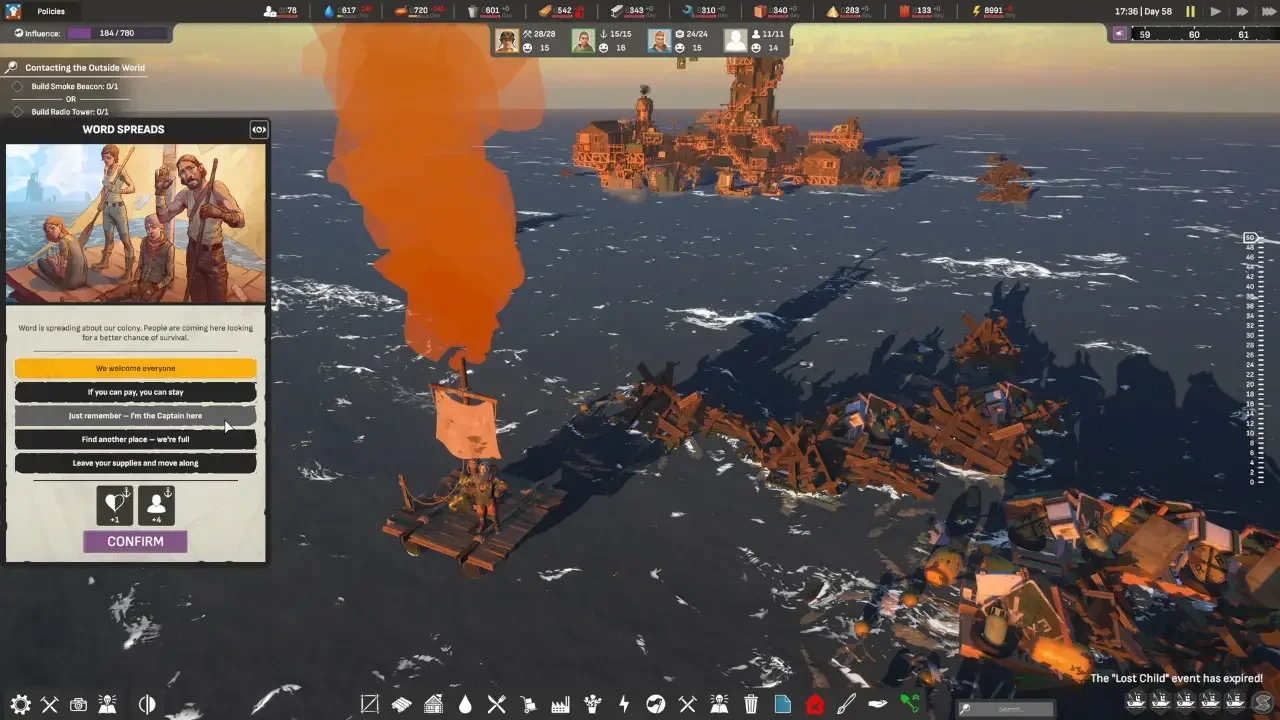
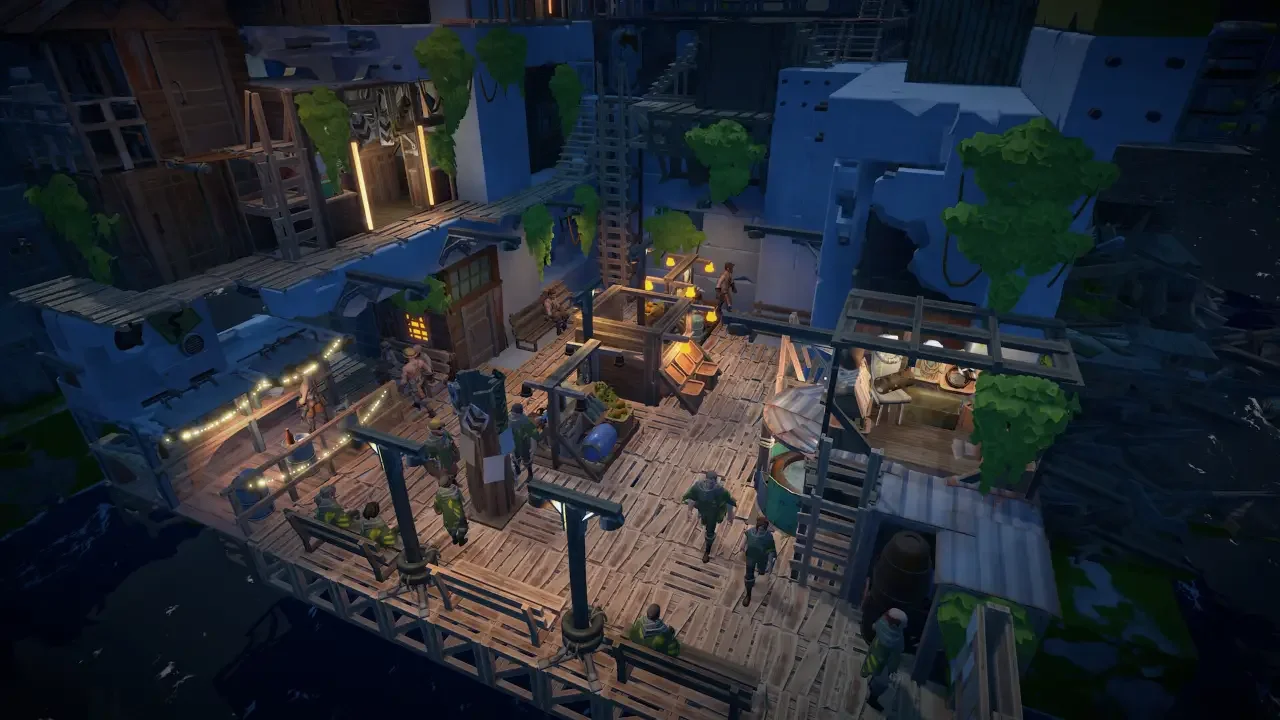
Building horizontally also forces you to think about travel times. Your Workers, Sailors, and Engineers are painfully slow when covering long distances. If you build a wide base, you have to be smart about where you place their homes. You want to keep food storage right next to the gathering points, and you want your citizens living right next to their primary jobs. I try to group my faction housing in dedicated clusters. It keeps the commute short and prevents me from accidentally stacking forty angry Engineers on top of a single fragile roof.
Surviving The Storms
Storms are the ultimate stress test for your architectural choices, and they are incredibly destructive.
The Warning Window
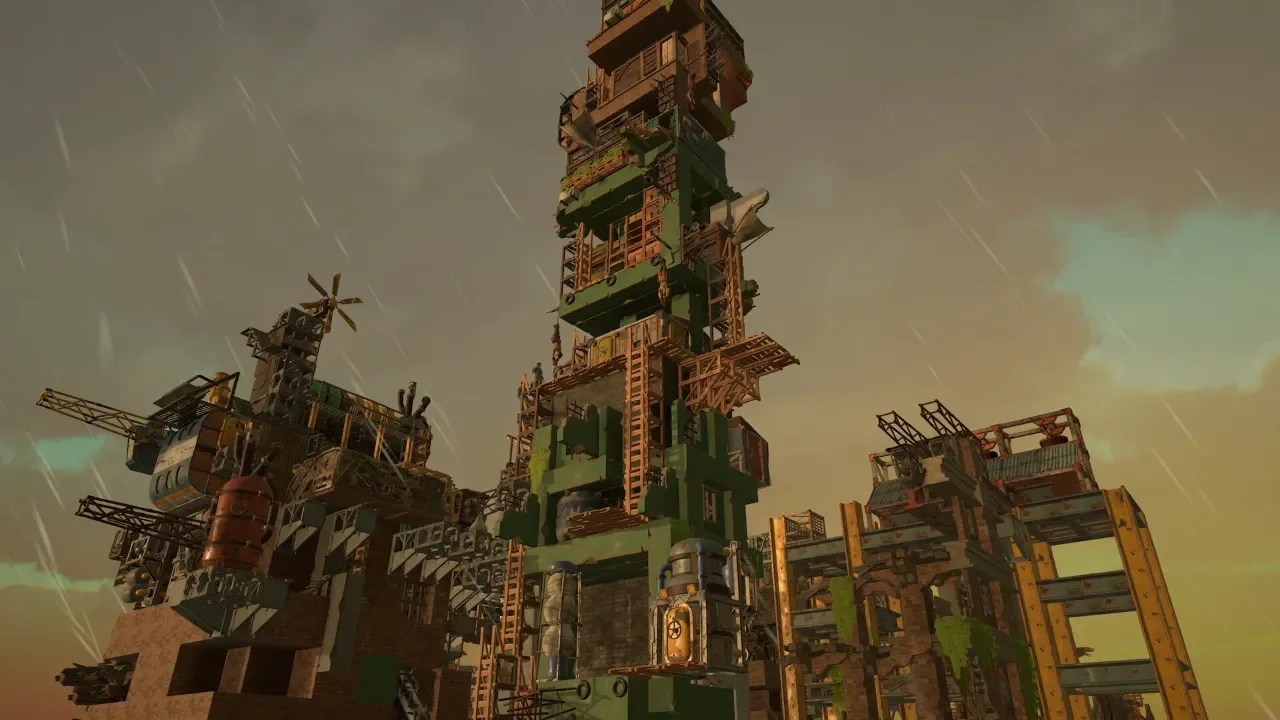
The game gives you a clear warning before a storm rolls in. This is not just flavor text to set a moody atmosphere. High winds apply massive lateral force to your colony. If you have a tall, poorly supported structure, the storm will snap the lower load bearing pillars like twigs. When those lower structures break, everything above them loses support and collapses.
When you see that warning, you have a very brief window to act. You need to immediately inspect your lowest levels. Look for any single walls or pillars that are carrying an unusual amount of weight. If you have the resources, reinforce those key structural points immediately. Adding extra support beams around your main columns can mean the difference between losing a single exterior wall and losing an entire district.
The Save Scum Strategy
I am going to be entirely honest with you. The moment I see a storm warning, I make a manual save. The physics system in this game is incredibly complex, and sometimes it is genuinely difficult to tell which specific pillar is carrying the critical load. You might look at a building and assume it is stable, only to watch it instantly fold when the wind hits.
Using a manual save gives you a chance to learn the mechanics without permanently ruining your playthrough. If the storm completely obliterates your colony, you reload the save. Now you know exactly which support beam failed first. You can go back in, reinforce that specific weak point, and try to weather the disaster again. It is a harsh way to learn structural engineering, but it is highly effective.
If you are playing the tanker scenario and you happen to have stockpiled enough fuel, you can simply move the ship to avoid the damage entirely. It costs 60 fuel to escape, which is a massive drain on your resources, but it is always cheaper than rebuilding half of your city from scratch.
Understanding Water Levels And Foundation Safety
You cannot build a stable foundation if you do not understand where the ocean is going to be.
The Threat Of Flooding
The tide is a constant threat, but you can read the environment to stay safe. If you look closely at the structures around you, you will notice green moss coating certain areas. That moss is the game explicitly telling you that the area is a flood zone. Building essential structures in mossy areas is a guaranteed way to lose them when high tide returns.
As you progress, the permanent sea level actually lowers, revealing safe areas that lose their moss coating. You can read my full breakdown on managing this mechanic in the water and tides guide. The crucial thing for construction is that you should only anchor your permanent, load bearing foundations in completely dry, moss free zones. If you have to build near the water for fishing or gathering, put those structures on cheap, easily replaceable platforms.
The 50 Meter Limit
There is a hard engine limitation in the game regarding water height. The ocean will never rise above 50 meters. If you manage to build your core city platforms above that specific threshold, you completely eliminate the threat of high tide flooding. Reaching that height requires a massive amount of scaffolding and a perfectly distributed horizontal base to support the climb. It is a massive undertaking, but once your main colony sits above that 50 meter mark, you can finally stop worrying about the water and focus entirely on keeping your people fed.