Should You Sell Recipes In Crimson Desert? Stop Hoarding Paper
Crimson Desert buries you in recipes and blueprints from hour one, and selling the wrong stack of paper at the wrong time quietly deletes a recipe you never actually learned.
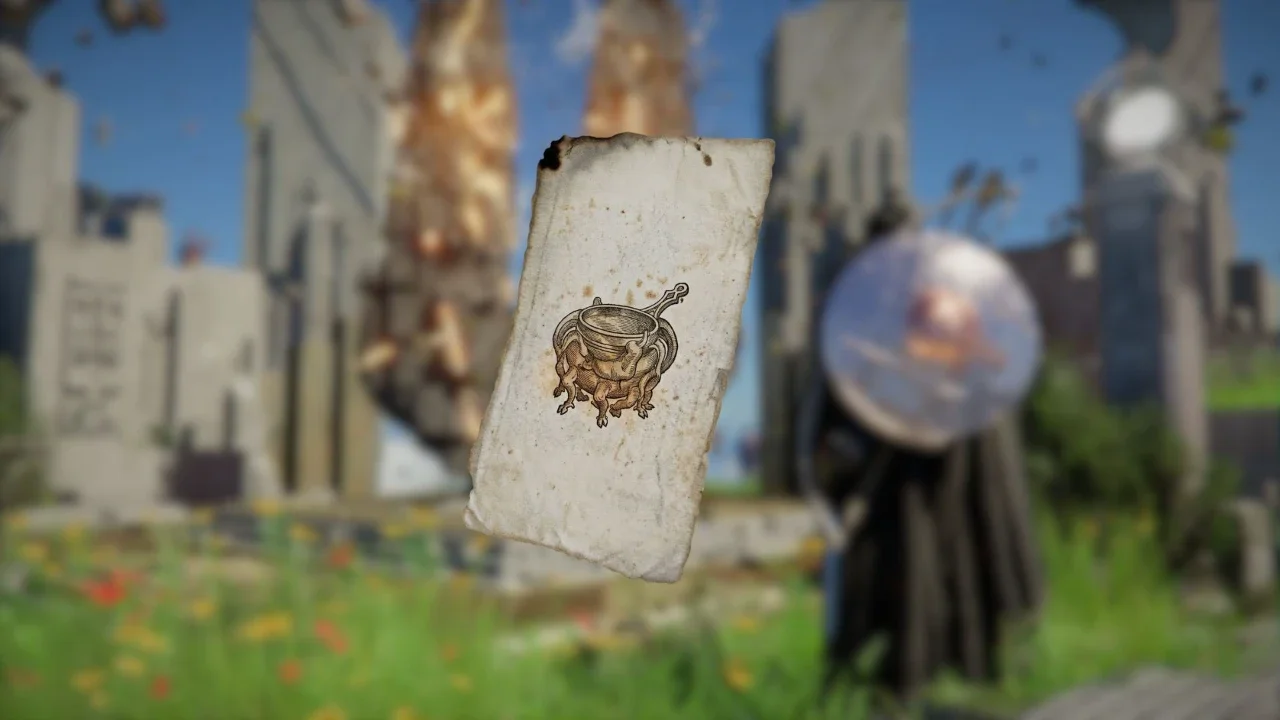
Looting everything not nailed down is a hard habit to break, and this game punishes it specifically. Ignore your bags for an hour and half your open slots vanish under crumpled crafting manuals, blueprints, and alchemy formulas. The instinct is to dump them for quick coin the moment they're clogging things up, but that instinct is exactly what wrecks new players.
Having a Recipe Isn't the Same as Knowing It
This is the trap nearly everyone falls into at some point, myself included. A blueprint sitting in inventory doesn't mean the character actually knows how to craft it. Sell one before it's been properly read and that knowledge is just gone, permanently.
Learning it takes an actual extra step. Open the inventory, filter down to the Crafting Manual icon, select the recipe, and hit Use. That's not the finish line either. The game prompts an examine action next, CTRL on keyboard, L1 on PS5, LB on Xbox, and only after that does the recipe register. Check the item description afterward and "Knowledge Acquired" should be sitting right there in the text. Once that phrase shows up, the physical paper is worthless and safe to sell without losing anything.
One Category of Paper You Should Never Sell Early
Bounty posters break this rule entirely, and the game doesn't warn you about it. The Journal quest screen gives a vague objective for any bounty target, but the actual poster picked up in the world usually contains specific written clues about where that target is actually hiding. That detail lives nowhere else.
Sell the poster before the hunt's finished and the only real map to that target is gone. Some of the tougher bounties hide in genuinely obscure spots, and rereading the poster's text is often the only way back on track when the trail goes cold. If the clues themselves are too cryptic to piece together, our proper walkthrough of the justice and bounty system is worth a look before giving up on a target entirely. Only once the criminal is dead or caught does that poster become safe to finally cash in.
What to Actually Do With Recipes Once They're Learned
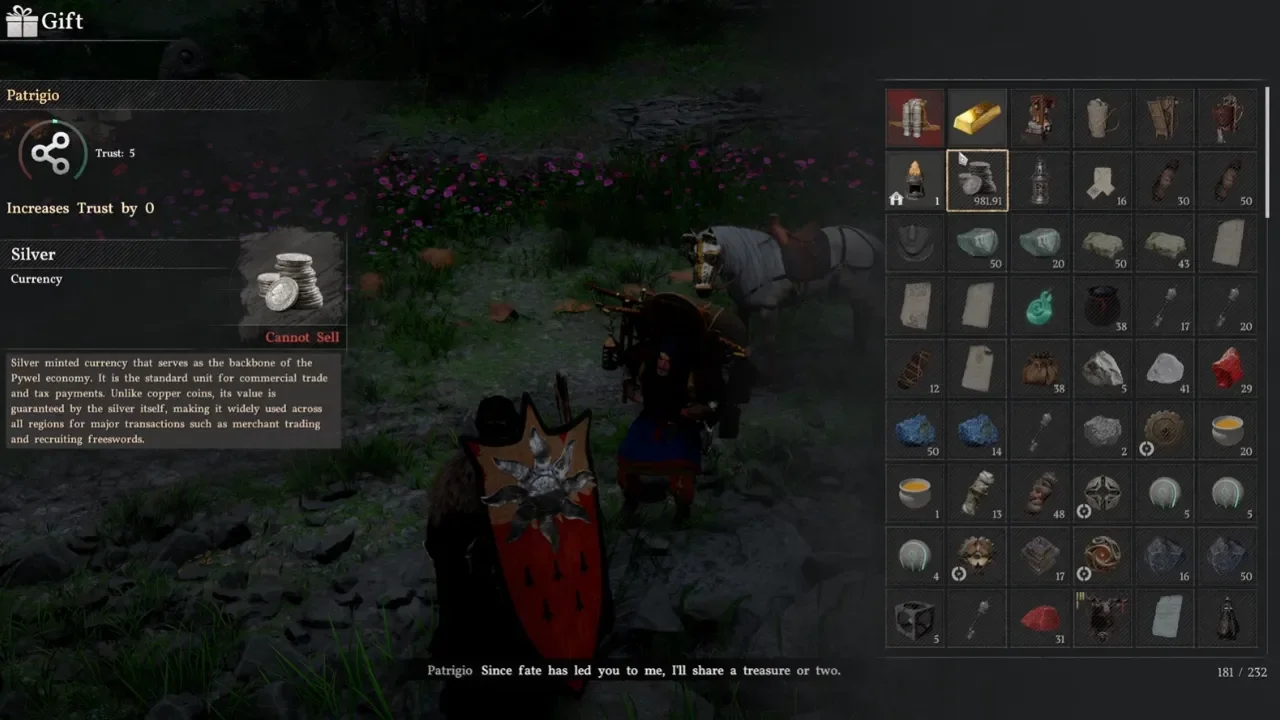
There's a gifting system built around all this paperwork, and on paper it sounds worthwhile. Vendors run a trust meter, and maxing it out unlocks exclusive stock and better supply deals. Handing a merchant a gift that matches their trade nudges that meter upward, and recipes count as valid gifts if they're aligned with the right profession.
In practice, though, this whole system is more trouble than it's worth. Matching specific recipes to the right shop across different towns means dedicating bag space to paperwork you're actively trying to get rid of, which defeats the point.
Trust climbs just as easily through Coin Pouches and Gold Bars, and anyone already running a decent flower farming or bank heist rotation has more spare silver than patience for matching cookbooks to grocers anyway. The better habit is simple: read everything, confirm "Knowledge Acquired," then sell the whole stack to whatever vendor's nearest. Save the trust-building for straight cash instead.