Crimson Desert Beginner's Guide: 12 Crucial Tips the Game Doesn't Tell You
Kliff gets dropped into Pywel with zero explanation and a combat system that punishes anyone still thinking of this as a standard action game.
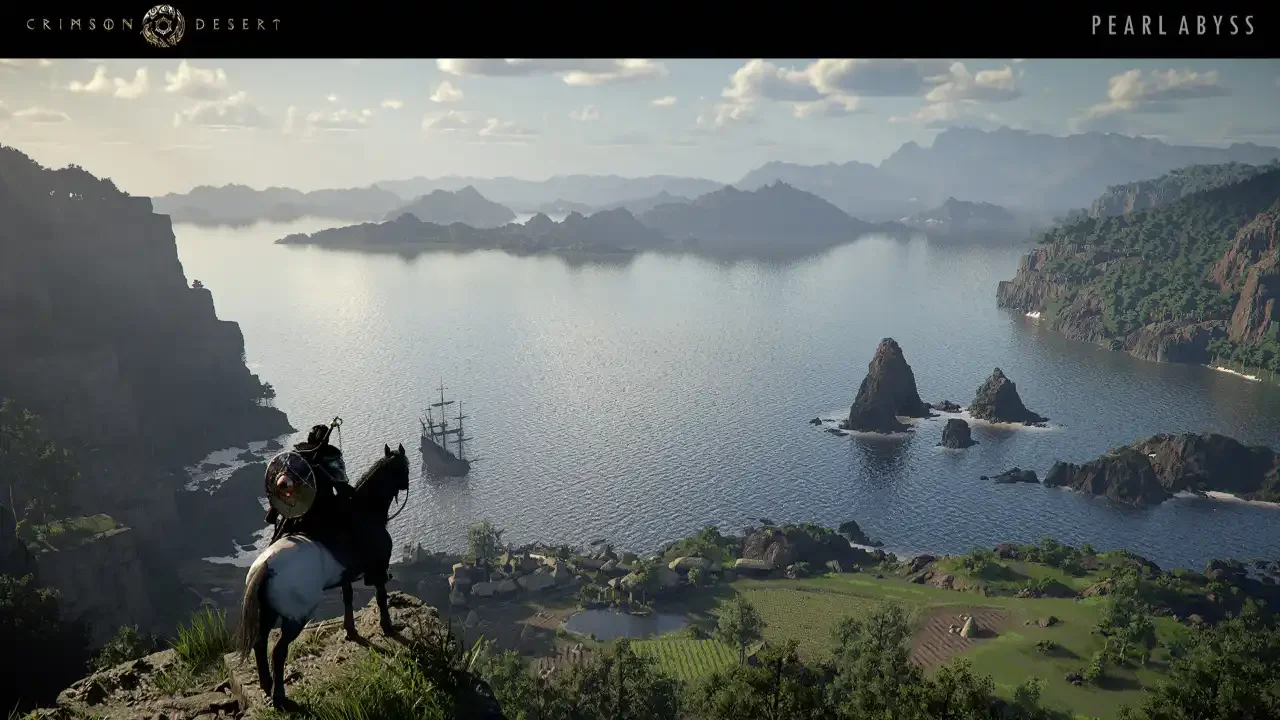
Pearl Abyss built something genuinely stunning here, then apparently decided the tutorial could wait. Physics-based combat, dynamic weather, a full crime system, and bosses that hit like a truck all stack on top of each other from hour one, and the game is entirely fine letting a new run fail repeatedly until the rules click.
Stamina Comes Before Everything
The default stamina bar is embarrassingly small, and it drains for dodging, blocking, climbing, and swinging anything heavy. Running dry mid-fight means no evade window, which usually means death. First Abyss Artifacts should go straight into base stamina rather than a flashy combat move, and a full early skills breakdown covers exactly where the rest of those points should land after that.
Combat Rewards Patience, Not Button Mashing
Shields, super armor, and unblockable attacks make button mashing a losing strategy fast. Perfect parries interrupt human enemies mid-combo and open up a counterattack window, while dodging is the only real answer to a monster's area of effect slam. Spending time on low level bandits just to internalize the timing pays off hard once mid-game bosses show up expecting that rhythm already.
Gear Does the Work XP Normally Would
There's no traditional leveling here, so getting destroyed in two hits usually traces back to weak armor rather than a low character level. Gathering iron, copper, and timber for the blacksmith in Hernand keeps weapons sharp and armor thick, and hoarding those materials instead of using them is a mistake that catches up fast.
Food Is the Only Healing That Exists
No potions, no cooldowns, just food. Raw meat and unwashed vegetables barely dent a health bar, so cooking at a bonfire matters more than it sounds like it should. Hearty Grilled Meat in particular is cheap to make and restores a serious chunk of health, and walking into a major boss fight with anything less than a hundred cooked meals stocked up is asking for trouble. These fights are wars of attrition more often than tests of skill.
Fall Damage Is Real and Unforgiving
Gliding on empty stamina turns into a straight drop, so keeping a sliver in reserve for a last-second glide before impact matters. There's also a much lazier fix. Horses don't take fall damage for reasons the game never explains, so launching a mount off a cliff and landing at full gallop works exactly as well as it sounds like it shouldn't.
Ring the Bell Towers Early
The map starts covered in fog, no roads, no landmarks, nothing useful. Eight hidden Bell Towers scattered across the continent clear that fog piece by piece, and finding them early turns blind wandering into actual navigation.
Inventory Space Runs Out Fast
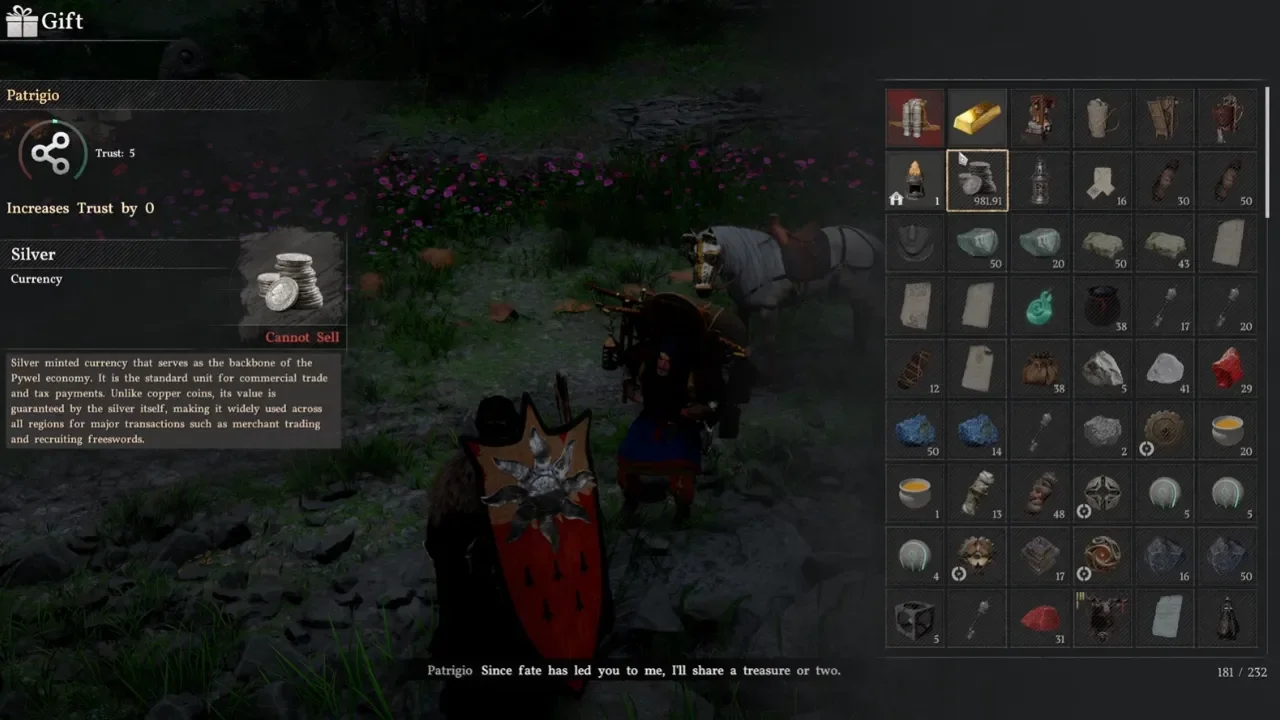
Starting storage is small enough that hitting the cap and dropping loot just to grab a quest item becomes a regular occurrence. Side quests that reward Medium Bags are worth prioritizing, and Small Bags from vendors are worth grabbing on sight rather than skipping to save silver.
Resist the Urge to Wander Too Far Too Soon
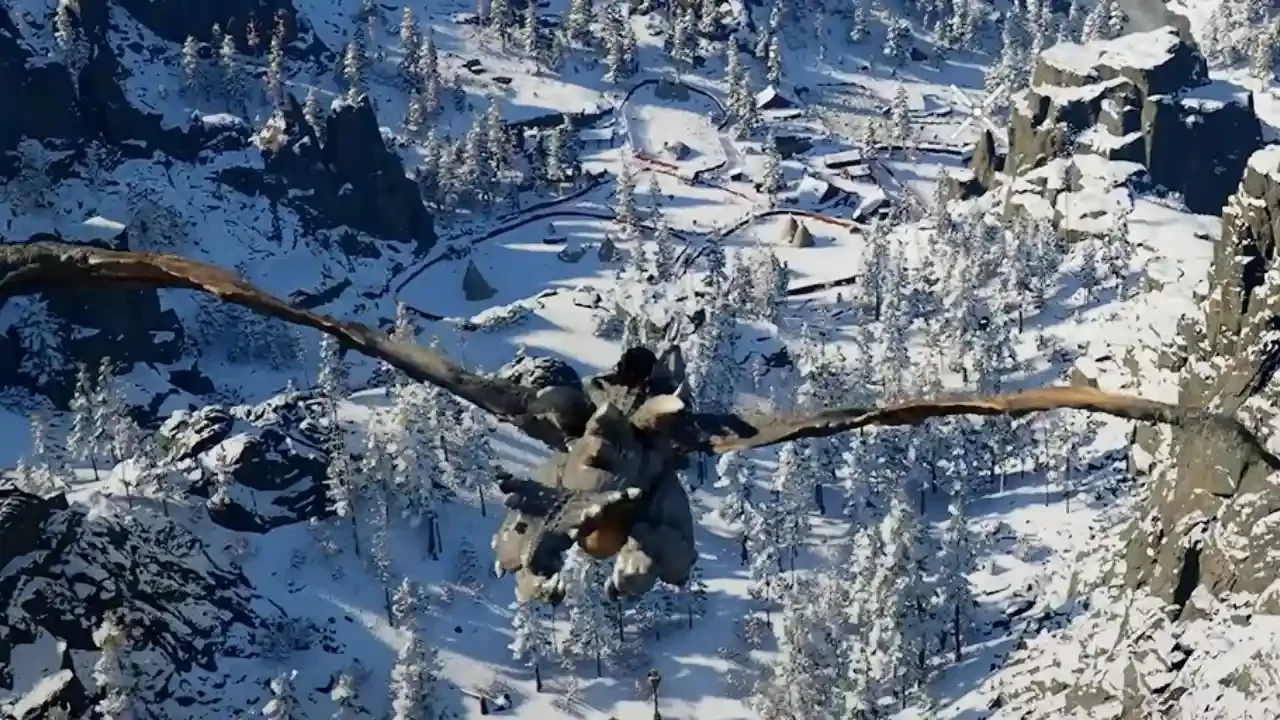
Pywel is enormous, and the early hours come with zero traversal tools to actually explore it safely. Pushing into late-game areas before the story unlocks them risks soft locks and bugged boss arenas the game isn't ready to handle yet. Sticking to the main campaign until core traversal skills and a camp are set up first makes getting lost later a lot less risky.
Treat the Job Board Like It Matters
Crimson Desert started life as a prequel to Black Desert Online, and that MMO instinct never fully left. Walking into a new region and ignoring the local job board leads straight into a wall. Faction quests and local requests aren't filler, they're what unlocks vendor access and the currency needed to keep up. Playing this like a straight linear campaign leaves a build severely underpowered.
Get a Mask Before Doing Anything Illegal
The justice system doesn't forgive. A bounty lands fast after theft or assault, and every guard in the province starts hunting on sight. A mask fixes that by hiding identity entirely, which makes stealing and causing chaos a lot less consequential. Bandits drop them, black market vendors sell them, and either way, having one before attempting anything shady beats paying off a bounty afterward. A full crime and bounty breakdown covers what happens if that timing doesn't work out.
Lock On Before Interacting With Anything
A loose camera makes talking to a merchant and accidentally stealing their cabbage look identical, and the second one turns an entire town hostile. Targeted aiming fixes that by locking focus onto a specific NPC, object, or ledge, and it's just as useful for platforming as it is for staying out of trouble in town.
A Pet Saves an Enormous Amount of Time
Manually looting a battlefield after a big camp fight is tedious enough to notice. Maxing trust with a stray dog or cat turns them into a permanent companion who automatically vacuums up loot on their own. It looks good and saves real time, which is a rare combination.