EA Sports College Football 27 Guide: Ball Carrier Moves, Controls & How To Truck Defenders
Running straight into a defender down the field usually results in a turnover or a trip to the injury report.
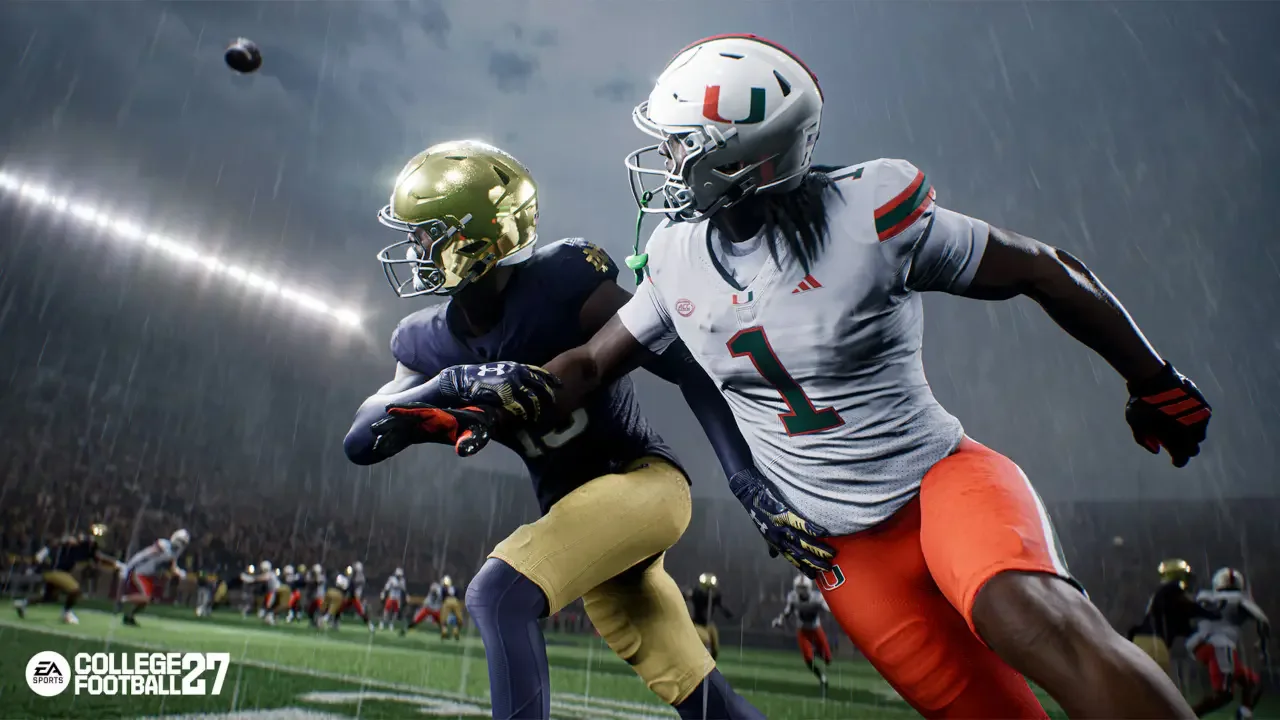
Holding down the sprint trigger the second the ball hits the runner's hands rarely ends well. The defensive artificial intelligence punishes predictable paths, meaning success relies heavily on utilizing the mechanical inputs available to shake loose from a tackler. Success requires a firm grasp of timing and situational awareness to navigate open space cleanly.
Open Field Evasion Techniques
Agility adjustments work best when isolating a fast, light athlete against a lone defender in the open field.
The Spin and Standard Juke
Pressing B on an Xbox controller or Circle on a PlayStation controller triggers a spin. Rotating the right analog stick achieves the exact same result. The spin works exceptionally well when carrying plenty of momentum directly toward a defender charging head-on, allowing the runner to slip through a tight lane. Flicking the right stick either left or right executes a standard juke. This feint tricks a defender into shifting weight to one side while the runner bursts through the opposite lane.
The Hesitation Juke
Flicking the right stick down executes a hesitation juke, forcing the runner to hit the brakes completely before accelerating forward again. This approach works when a defender approaches from the side at a poor angle. The mechanical trade-off is that it halts forward momentum entirely, meaning the rest of the defensive line will catch up quickly if they are pursuing from behind.
Powering Through the Defense
Elusive maneuvers are pointless if the ball carrier lacks the speed to execute them. When handling a heavy, powerful fullback or running back, physical force becomes the primary tool for moving the chains.
Trucking and Stiff Arms
Flicking the right stick forward initiates a truck. When execution is tied to a high trucking rating, the runner drops a shoulder to plow straight through a defender while keeping their feet moving. Attempting this with a weak or low-rated athlete results in the runner hitting a wall and falling down instantly. Holding A or X activates a stiff arm. This choice minimizes the surface area a defender can grab, pushing the tackler toward the grass while the runner maintains top speed along the sideline.
Survival Tactics and Short Yardage Options
Reaching the end zone is ideal, but protecting the physical health of the roster or securing a vital first down matters just as much over the course of a four-quarter game.
Hurdling and Diving
Pressing Y or Triangle commands the runner to hurdle. This leap clears an incoming low tackle, though it leaves the athlete fully exposed to a second defender waiting to hit them mid-air. When desperate for a touchdown, holding X or Square causes the runner to dive. This move requires a clear path, as diving directly into a waiting defender heavily increases the chance of coughing up a goal line fumble.
Sliding and Reaching
Tapping X or Square tells the runner to slide and give themselves up. This action instantly blows the play dead, shielding a fragile quarterback or primary offensive weapon from taking a hit that might end their season. If a defender already wraps up the runner, flicking the right stick up while falling triggers a desperate reach. The athlete stretches the ball out right before their knee touches the grass, which helps secure the necessary inches when facing a critical third or fourth down scenario.