Nested Lands Beginner's Guide: How Not to Die in the Mud
Nested Lands is the kind of game that actively resents your existence, but I am here to make sure you survive the first week out of pure spite.
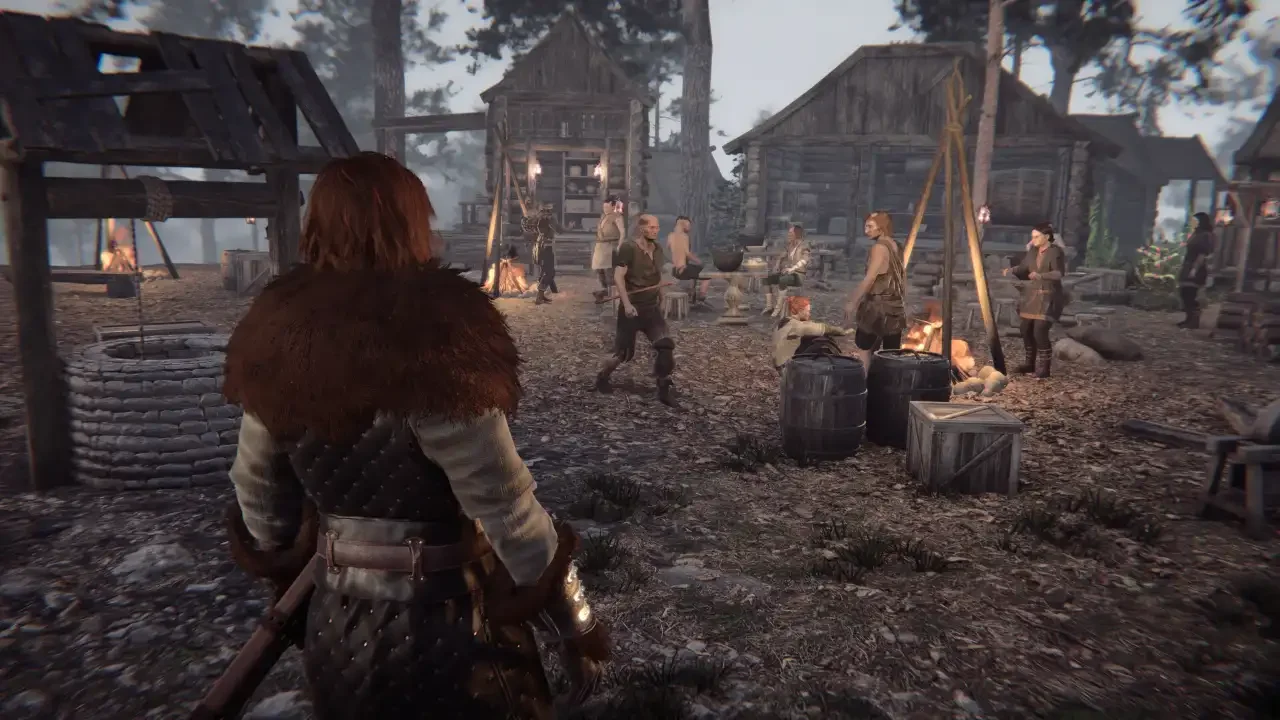
You wake up on a gloomy shore with nothing but the clothes on your back and an immediate overwhelming sense of dread. The survival crafting genre is crowded these days, but this particular world brings a grim, infectious twist to the formula. You are not just managing your hunger and thirst. You are managing a deadly plague, a fragile colony of survivors, and a combat system that will punish you for swinging a stick blindly.
I spent my first dozen hours making every conceivable mistake. I drank the bad water. I fought five heavily armed bandits with a broken wooden club. I watched my villagers stand completely still and freeze to death because I forgot to tell them how to use firewood. This guide is a collection of the hard lessons I absorbed so you can skip the suffering and get straight to building a functioning society.
The Plague is Your Real Boss
The central mechanic that separates this experience from a standard tree-punching simulator is the plague. It is an ever-present environmental hazard that you have to respect.
If you stumble blindly into infected zones or get too cozy with plagued corpses, your Plague Load meter will quietly fill up. This is not a temporary debuff that goes away after a good night of sleep. Ignoring your plague load permanently reduces your maximum health. I watched my health bar shrink by 40 percent because I thought I could simply tough it out. You cannot.
To fix this, you need a Plague Tonic. You can craft this at a Herbalist Table using Bitter Root and clean water. If you are desperate, you can pay the Village Healer 50 gold coins for a full cleanse. But honestly, in the very early hours, there is a much darker and cheaper alternative. Dying carries almost zero penalty right now. You drop your backpack, but you keep your equipped gear and respawn at your bed. If the plague is destroying your max health and you have no medicine, just drop your items in a chest and go hug a bandit. You wake up miraculously cured. It is terrible for immersion but excellent for your virtual immune system.
Location, Location, Hydration
When you finish the brief tutorial section with Balder and need to establish your first real foothold, do not just build a camp wherever you happen to be standing. You want to head straight for the riverbank.
The riverbank gives you immediate access to two things you will desperately need: water and clay. You will need clay to build a kiln and a water filter. Until you build that water filter, drinking directly from the river guarantees you get dysentery. Dysentery drains your hydration meter twice as fast, which essentially puts a massive ticking clock on your ability to explore.
Before you get the filter up and running, you must boil all your water at a campfire. Prioritize building a Wash Hut right after you secure a water source. A bizarre but brilliant mechanic in this game is your cleanliness meter. If you are caked in mud and sweat, you actually smell bad. Bandits will literally sniff you out if you try to sneak past them while unwashed. Bathe regularly, or your stealth attempts will end in a very loud disaster.
Combat is a Scam So Cheat
I need to be perfectly clear about the melee combat. It is clunky, it is punishing, and fighting fair is a fantastic way to end up dead.
Every swing, block, and dodge drains your stamina. If your stamina hits zero, you enter an exhausted state where you move like you are walking through molasses and take double damage. Never fight a group of enemies in melee. You will get surrounded, your stamina will vanish, and you will be beaten to death before you can even open your inventory.
Instead, you need to embrace the path of the stealth archer. It worked in Skyrim and it works miracles here. The enemy AI is incredibly dense when it comes to ranged stealth. You can sit in the bushes and drop a bandit with a clean headshot, and his friends will barely react until it is too late. The bow is essentially a silenced sniper rifle in the early game.
When you absolutely have to fight in close quarters, you need to understand weapon durability and enemy types. Weapons break quickly and you cannot repair them. I highly recommend carrying two different types of melee weapons at all times so you are never left empty-handed.
Peasant Management Simulator
Eventually, you will realize that manually chopping wood and picking berries is a terrible use of your time. You are the protagonist, so you need to outsource the manual labor.
You can recruit villagers from random event zones marked by yellow circles on your map. Grab as many as you can house. More villagers mean automated food gathering, wood chopping, and base maintenance. But your new workforce requires a lot of handholding.
The default production quotas for your buildings are offensively low. If you do not manually open the menus and increase the quotas for essentials like firewood, rope, and planks, your villagers will hit their tiny goals and then stand around doing absolutely nothing. Keep those quotas high so your storage chests constantly fill up.
Speaking of storage chests, I have some fantastic news. Every single storage container in your village is connected by a magical, invisible network. You do not need to meticulously organize your wood in one box and your stone in another. When you are inside your village borders, you can build and craft using materials from any chest. When you get back from a massive loot run, just dump your entire inventory into the nearest box and get back to exploring. Your peasants will handle the rest.
Do Not Ignore The Raids
Every few days, the game will throw a raid at your village. I initially thought my recruited guards could handle a few starving bandits while I was off exploring the second island. I was incredibly wrong.
If you leave your base unguarded during a raid, the bandits will break into your magical storage chests and steal everything you own. Rebuilding your entire stockpile of iron and medicine from scratch is a deeply depressing experience that will make you want to uninstall the game.
When you see the raid warning pop up on your screen, drop whatever you are doing and sprint back home. If you are planning a massive expedition across the map, sleep in your bed for a few days to intentionally trigger a raid first. Wipe out the attackers, loot their broken weapons, and then start your long journey knowing your home is safe for at least another in-game week.
Surviving here requires patience and a healthy amount of paranoia. Manage your stamina, hoard your clean water, and never trust a bandit to fight fair.