Obey the Voice Review: Simon Says, Or You Die
If you have ever wanted a job where a disembodied voice threatens you for looking at a mannequin the wrong way, I have found your dream career.
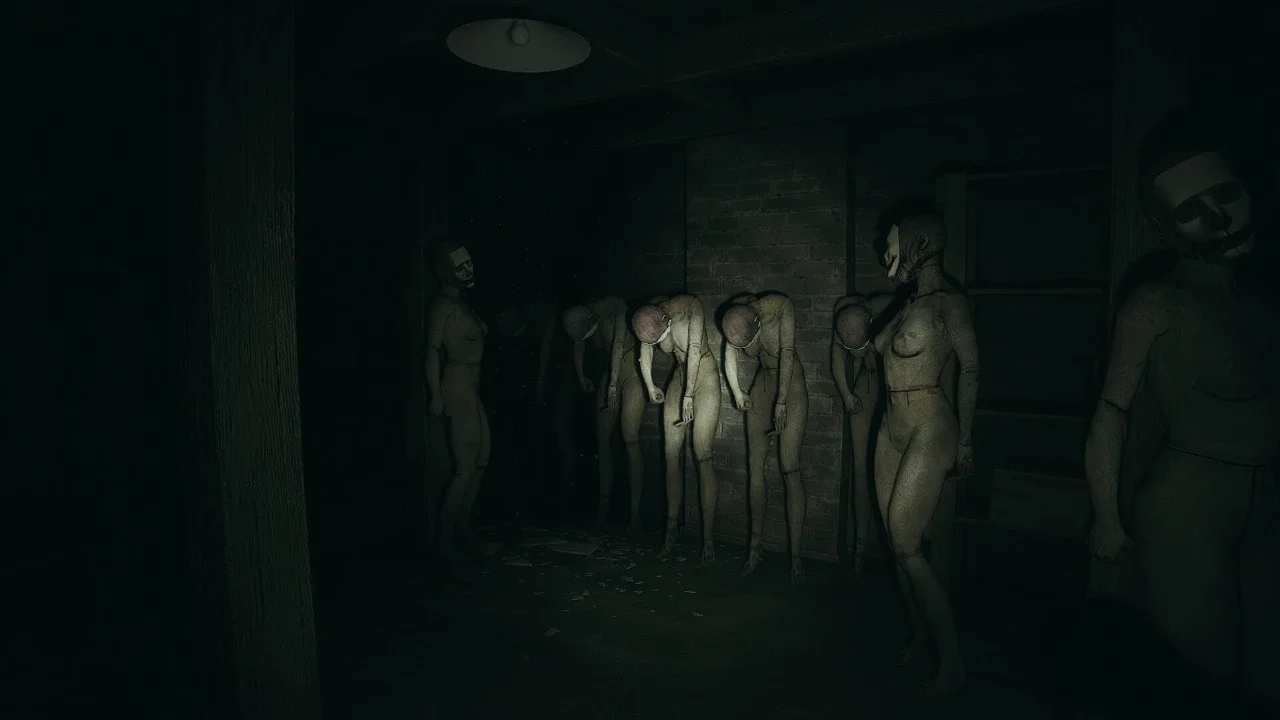
Obey the Voice is a short, sharp shock to the system. Developed by a solo creator, this isn't your standard "run and hide" simulator. It is a game about following rules under extreme duress. You play as Patient 10 (or a backup of them), navigating a simulation designed to fix your fractured consciousness. The catch is that you have Dissociative Identity Disorder, and the simulation is actively trying to break you while telling you it wants to fix you.
I finished the whole thing in about 90 minutes. It is brief, intense, and looks better than games with ten times the budget. But for every moment of brilliant tension, there is a moment of frustration that reminds you this is very much an indie project.
THE RULES OF ENGAGEMENT
The core hook is fantastic because it turns survival into a mandatory shift. You have a job to do. The Voice gives you tasks and expects total compliance to a strict set of rules. Keep your eyes down. Ignore the things that don't look human. Block out the whispers. If anything moves in the shadows, you turn your ass around and hit the red button.
Fighting Your Instincts
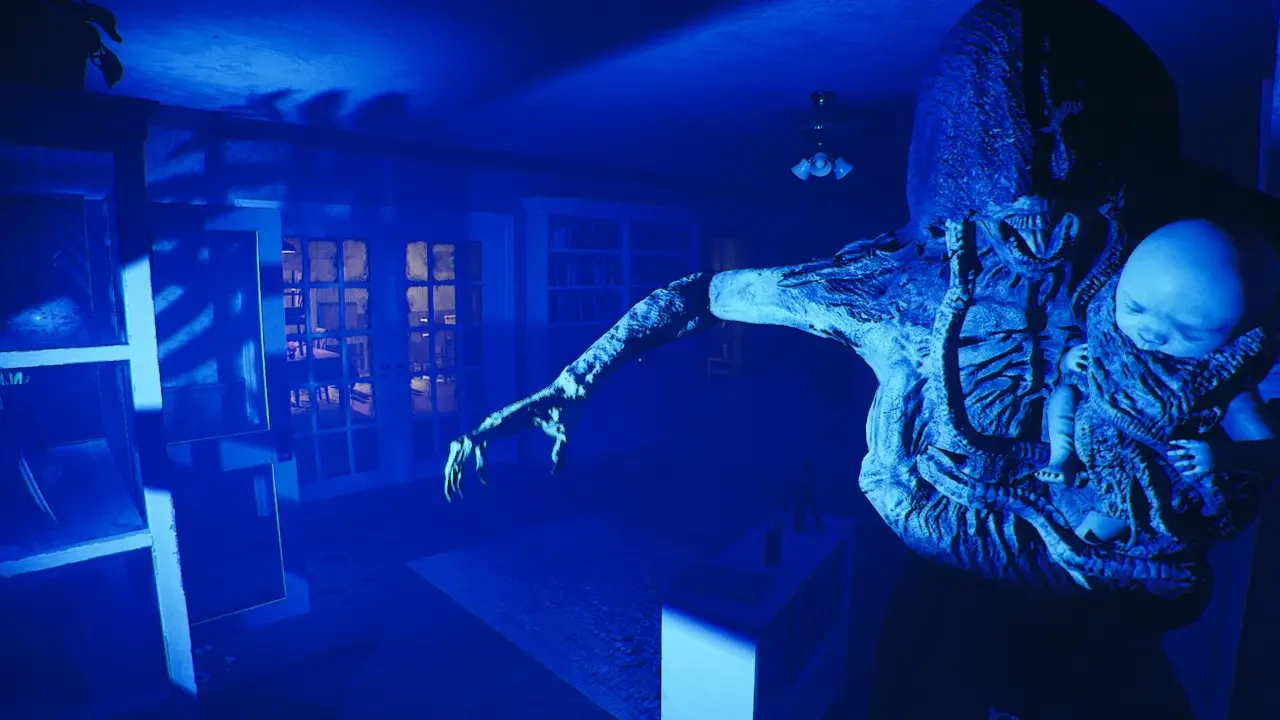
When this works, it is terrifying. Walking down a hallway knowing I can't look at the monstrosity in the corner created a level of tension that generic jumpscares just can't match. You have to fight your own wiring. You want to look at the threat to identify it, but the rules explicitly say no. It turns the simple act of walking across a room into a high-stakes gamble.
Broken Logic
However, the game drops the ball slightly on its own systems. It introduces these four "Golden Rules" at the start, but then barely uses half of them. I think I hit the blue button maybe once? The "turn back if something moves" rule is criminally underutilized. It feels like the developer set up a complex system and then forgot to build levels for half of it.
STRESS TEST
Visually, this game is a stunner. The environments are photorealistic, thanks to some Unreal Engine wizardry. It makes the horror feel grounded. When a room looks like a real place, the thing standing in the shadow feels a lot more real too.
Unreal Visuals
The "Spot the Difference" level was a standout for me. I was running between two rooms trying to find a changed object while a timer ticked down. It was frantic and fun, though I spent way too long looking for a pink box lid. The fidelity of the assets actually makes the puzzles harder in a good way because there is so much detail to parse.
Fumbling in the Dark
Then there are the moments where the "stress" becomes "annoyance." There is a section with a fuse box that made me want to throw my mouse through my monitor. Placing tiny fuses in specific spots while a monster chases you isn't scary. It is just finicky. The hitboxes felt off, and I died more to bad UI than to my own incompetence. Also, a quick note to developers everywhere: if you put a pause button in your game, please make it actually pause the game. I missed critical dialogue because I opened the menu to tweak my settings, and the game just kept rolling in the background. That is a cardinal sin.
THE SOUND OF SILENCE (AND AI)
This brings me to the sound design. It is mostly excellent. The atmosphere is thick, and the audio cues are vital.
Accessibility Fail
Actually, they are too vital. There are puzzles involving Morse code and identifying songs that offer zero visual alternatives. If you are hearing impaired or just playing with the volume low, you physically cannot beat these sections. In 2026, accessibility shouldn't be an afterthought. Subtitles that just say "[Music Playing]" while asking you to identify a song is not a solution.
The AI Elephant in the Room
The developer has been open about using AI for the voice work. Look, I get it. It is a solo project. Budgets are tight. The voice actually sounds fine for a robotic, disembodied overseer. It fits the theme. But it still rubs me the wrong way. There are thousands of talented voice actors out there trying to break into the industry. Many of them would jump at the chance to be in a Steam game just for the credit and a surprisingly low fee (or even for free). When we start replacing human performance with generated audio just because it is easier, we lose something. It doesn't ruin the game, but it creates a hollow feeling that no amount of photorealism can fill.
The Verdict
Obey the Voice is a fascinating, high-fidelity experiment that proves you don't need a massive budget to terrify people. It stumbles over its own ambition with finicky controls and some questionable accessibility choices, but for the price of a coffee, it offers 90 minutes of pure, unadulterated stress. If you can look past the AI voice acting and the fact that the pause button is a lie, this is a job interview you might actually want to take.
Got a hot take on this? I know you do. Head over to r/neonlightsmedia to discuss it.