Pokemon Pokopia Crafting Guide: Surviving Your Unpaid Construction Gig
Congrats! You have been unceremoniously drafted into a massive unpaid public works project, and you are going to need a ridiculous amount of wood to get the job done.
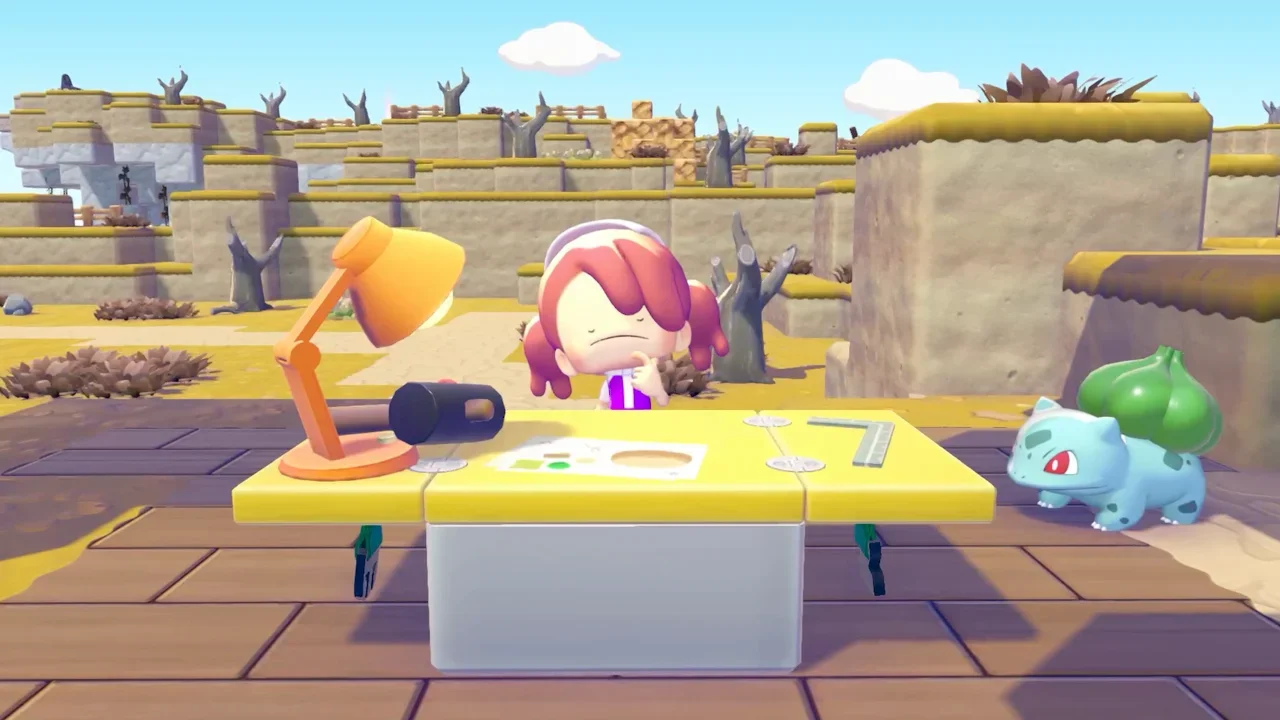
© 2026 Pokémon. TM, ® Nintendo.
Crafting in Pokopia serves a much higher purpose than simple aesthetics. It forms the brutal backbone of your progression. If you ignore the building mechanics, you will spend weeks wandering around an empty dirt patch wondering why no wild creatures want to move into your town. The system itself is straightforward, but the game is perfectly happy to let you make exhausting mistakes if you are not paying attention. I am here to make sure your infrastructure actually functions so you can stop doing manual labor the hard way.
The Brutal Reality of Material Gathering
Before you can nail two boards together, you need the actual boards. Materials do not naturally fall into your lap. You have to harvest them, and that requires exploiting the unique abilities of the local wildlife. You must transform into specific Pokemon to clear obstacles and gather resources.
Scyther is your best friend early on for chopping down worn lumber into usable wood. If you find your progress blocked by massive rocks leaking water, you need to track down Hitmonchan to learn Rock Smash. It is an active, physical grind. Swinging blades and smashing boulders will deplete your energy fast. A solid PP recovery strategy keeps you from passing out in the mud mid-swing, so do not ignore your stamina meter.
The Workbench: Your Only Lifeline
Everything you build flows through the Workbench. The actual process is simple enough. You walk up to the bench, open the menu, and confirm you have the required materials to build your chosen recipe. But if you try to carry every single stick and stone in your pockets, you will be deeply miserable. Your inventory size is painfully restrictive right out of the gate.
The absolute first thing you must do is build a Storage Box and drop it directly next to your Workbench. When these two items are adjacent, the Workbench magically pulls materials straight from storage. It is the single most important quality of life trick in the entire game. You can dump your pockets entirely and still craft a dozen chairs without breaking a sweat.
Categories of Clutter
The crafting menu throws a lot at you, but items fall into four distinct categories. Knowing what they actually do saves you from wasting precious lumber on a fence when you desperately need a bed.
Furniture That Functions
Furniture is what gives your island actual life. These are items that Pokemon actively use. Drop a Log Chair in the grass and a random Pidgey might land on it a minute later. Straw Beds offer relaxation stats. Building functional furniture is how you turn an empty map into an interactive living space.
Mindless Decorations
Lampposts, fences, and crates look nice. They add flair. But they have absolutely zero interactive function for your Pokemon. Build these only when your essential survival needs are met, or you will find yourself completely out of wood when a crucial quest pops up.
Utilities and Infrastructure
Utilities include things like extra Workbenches. Building a second Workbench on the opposite side of your map is a genius move once your island expands. Infrastructure means pathways, stairs, and bridges. Getting from a beach to a highland plateau requires stairs. Without them, you are just staring at a cliff face with no way up.
How to Actually Build a House
Throwing a bed in the dirt does not make it a home. To create a valid structure that the game recognizes, you must follow strict zoning laws.
A structure requires a minimum of four walls and must be at least two blocks tall. Once the shell is erected, you have to place exactly three pieces of furniture inside. Only then does the game flag it as a "Home," allowing you to assign a tenant.
Kits Versus Manual Labor
You have two choices when throwing up walls. You can place every single block by hand, which gives you complete creative freedom to build towering monstrosities. Alternatively, you can use building kits. Kits act as blueprints. If you provide the materials and have a Pokemon with the "Building" specialty following you, they will handle the construction while you go do something else. The catch is that kits take real time to finish. It is a trade off between immediate ugly results and waiting for a professional looking structure.
If you are trying to figure out exactly what kind of furniture a specific species demands, my detailed guide on building proper habitats takes the guesswork out of playing landlord. You also have to consider the environment itself. Sticking a Fire type in a swamp is a recipe for disaster, so you will want to understand how to manage humidity and environmental stats before you start laying down your permanent foundations.
Expanding the Power Grid
Eventually, you are going to need electricity. Lamps do not just glow on their own in this game. You either need to station an Electric type Pokemon near the fixture, or you have to build windmills and string up power lines. I highly recommend sketching out your power grid mentally before you start dropping buildings everywhere. Trying to retrofit a crowded neighborhood with power lines is a messy, frustrating experience.
If you are just starting out and need to unlock the basic functions of your settlement, you need to focus on rebuilding the Pokemon Center first. That unlocks the shop, which leads to bag upgrades, which makes carrying all this lumber slightly less agonizing.
Stop hoarding resources and start building smart. Automate your crafting, build functional structures instead of useless decorations, and you might actually create a town worth living in.