Slay the Spire 2 Co-Op Guide: How to Survive Multiplayer
Dragging yourself up the Spire is hard enough. Dragging three of your idiot friends up with you is an entirely different nightmare.
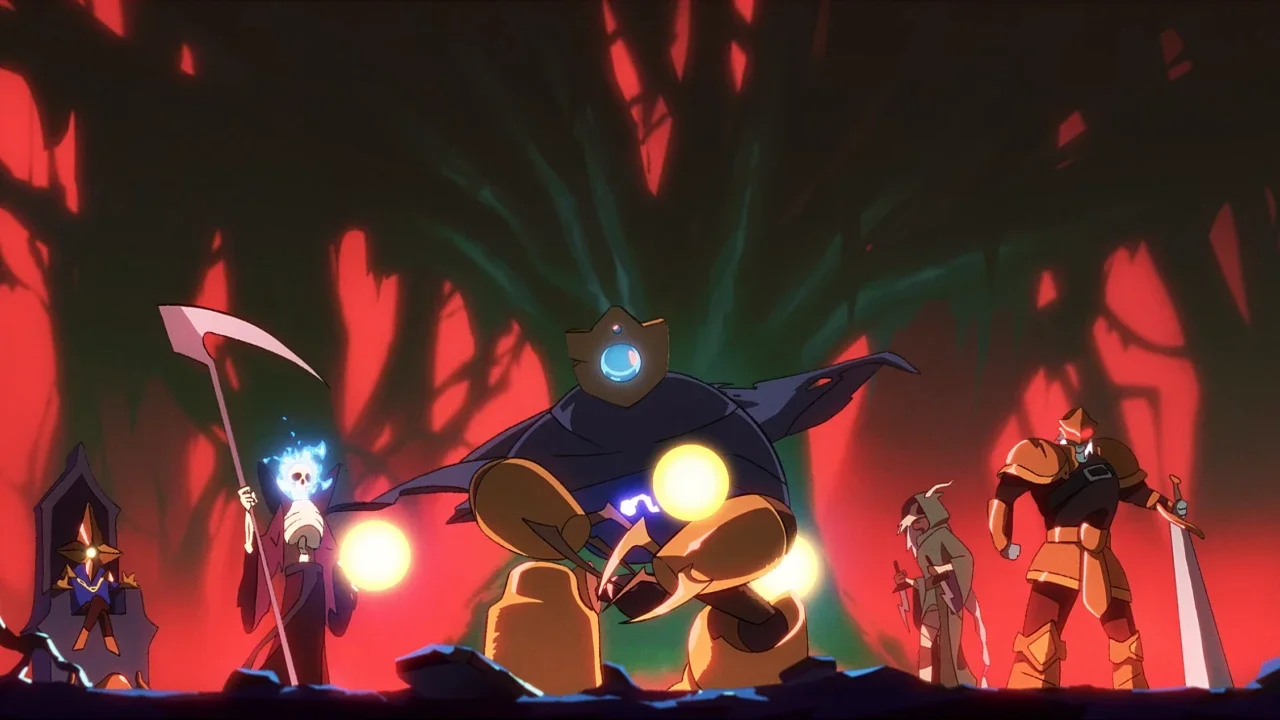
I have been begging Mega Crit for a genuine multiplayer mode for years, and they finally delivered. Slay the Spire 2 supports up to four players, and it is easily the most chaotic, brilliant addition to the sequel. However, if you go into this thinking it is just four people playing solo runs next to each other, you are going to get slaughtered. The game fundamentally alters its math and mechanics the second another player joins your lobby.
If you are completely new to the sequel, you should probably read my Slay the Spire 2 survival guide before you subject your friends to your terrible drafting choices. For everyone else, here is exactly how the new co-op ecosystem actually functions.
The New Rules of Engagement
The beauty of this multiplayer system is how seamlessly it blends individual deckbuilding with team-wide consequences. Combat happens simultaneously. You are all playing your cards at the exact same time against the same enemies.
Enemy Scaling is Brutal
Do not think for a second that bringing three friends makes the game easier. The Spire actively punishes you for rolling deep. Enemy health pools and damage output scale aggressively based on how many players are in the lobby. An Act 1 Elite that you can normally burst down in three turns solo will turn into a massive damage sponge in a four-player game. You have to coordinate your attacks.
Debuffs Are Shared (And It's Completely Broken)
This is the single most important mechanic to understand in co-op: debuffs are shared. If your Silent applies Vulnerable to an enemy, every single player on your team deals 50% more damage to that target. If you apply Weak, the enemy deals less damage to everyone.
This completely changes how you build your decks. You no longer need four players building pure, selfish damage. Having one dedicated debuffer essentially acts as a massive damage multiplier for the entire squad.
Drafting the Loot
You do not get to just click whatever shiny item you want anymore. When you kill an Elite or a Boss, the game presents a pool of relics equal to the number of players. You cannot take duplicates. If two players try to click the same relic, the game resolves the conflict with a goofy little Rock, Paper, Scissors animation.
Do not rely on RNG to settle your loot disputes. You need to communicate. Give the offensive, strength-scaling relics to your primary damage dealer. Give the defensive, block-generating relics to your tank. If you are struggling to evaluate which items are actually worth fighting over, check out my Slay the Spire 2 relics tier list.
Death and Resurrection
Death is no longer the immediate end of a run, but the penalty for dying is steep.
If a player hits zero HP during a fight, they are knocked out. They cannot play cards, but enemies will still attack the surviving players. If your team manages to win the fight, the dead player automatically revives with exactly 1 HP. This is why having a dedicated tank character who can survive long, grueling fights is absolutely mandatory.
If you need to get a teammate back into fighting shape, you have to use a Rest Site. Surviving players can choose the "Revive" option to heal a downed teammate, but it comes at a terrible cost: sacrificing a percentage of your own Max HP. Burning your permanent health pool to fix someone else's mistake in Act 1 is a fantastic way to ruin your chances of surviving the late game timeline shifts I cover in my epochs timeline breakdown.
Building a Functional Team
You cannot have four people playing the exact same character. You will all be drafting from the exact same card pool and fighting over the exact same class-specific relics. You need diversity.
The Anchor
The Ironclad is the undisputed king of co-op survival. Because of his Burning Blood relic healing him after every fight, and his ability to stack massive amounts of block, he is the ultimate anchor. When things go wrong and half the team is dead, the Ironclad is the one who turtles up, survives the fight, and triggers the automatic 1 HP revive for everyone else.
The Force Multiplier
The Silent is borderline mandatory for optimal team comps. Her ability to consistently apply Weak and Vulnerable completely breaks the math of co-op combat. You do not need her to deal massive damage; you need her to set up the pins so the rest of the team can knock them down.
The Specialist
The remaining slots should be filled based on what the team needs. The Regent provides unmatched burst damage with their Star mechanic, which is perfect for deleting high-health scaled bosses. The Necrobinder offers incredible board control with their summon, absorbing hits that would otherwise cripple the team.
How to Actually Connect
Because the game is in Early Access, the networking can be a little temperamental.
From the main menu, select Multiplayer.
One player selects Host.
The host clicks Invite in the top left corner and selects friends from their Steam overlay.
Everyone picks their character, and the host clicks the Checkmark to launch.
I highly recommend that the player with the most stable, wired ethernet connection acts as the host. The game runs on Godot's netcode, and a host with awful Wi-Fi will cause input lag and desyncs for the entire lobby. Also, disable your mods. Even a single mismatched mod between players is enough to crash the game mid-run.
Co-op Slay the Spire 2 is an absolute blast, but it requires actual teamwork. Stop playing selfishly, share your potions, and for the love of god, stop taking the Ironclad's strength relics when you are playing a poison build.