StarRupture Base Building Guide: How To Stop Your Factory From Sucking
My first base looked like a robot threw up conveyor belts, but yours doesn't have to be a total disaster if you follow a few simple rules.
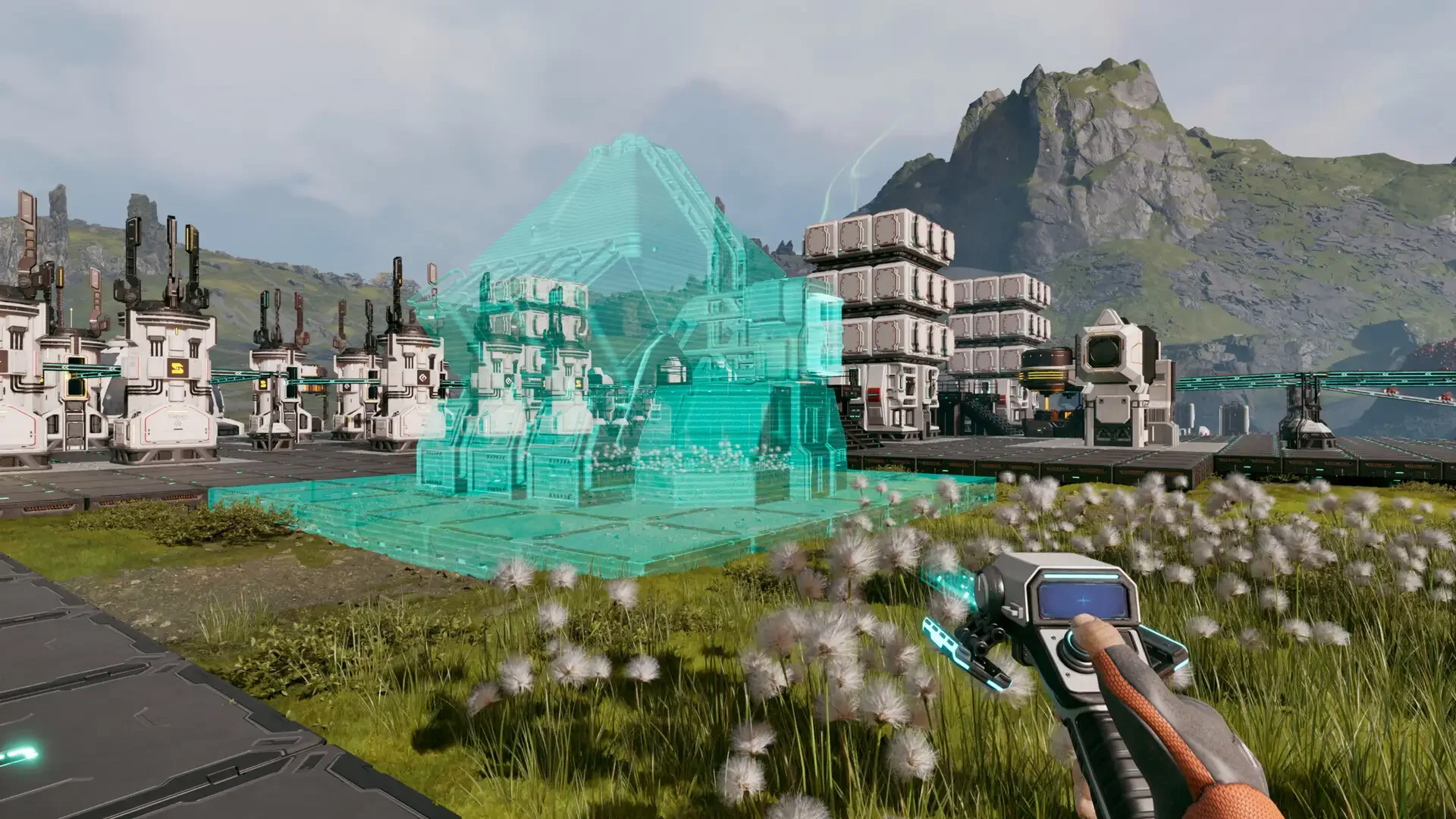
You start StarRupture hitting rocks with a pickaxe, but the goal is to stop doing manual labor as fast as possible. The problem is that the game gives you tools that are fiddly, terrain that hates you, and a physics system that occasionally decides to take a day off. Building a factory here isn't just about connecting A to B. It is about fighting the environment while trying to make a profit for a faceless corporation. Here is how I manage the chaos.
Stop Building At The Spawn Point
Most players, myself included, make the mistake of setting up a permanent shop right next to the landing pod. It feels safe. It has some basic iron and copper equivalent. It is also a trap.
The starter area runs out of usefulness quickly. You need to pack up and move. If you head East from your crash site, past the crater and the sulphur deposits, you will find a small lake. Go north of that lake. This spot is the holy grail for early to mid-game bases. It has water (crucial for later tech), flat ground (crucial for my sanity), and access to advanced resources. Do not get attached to your first dirt shack.
Embrace The High Ground
I cannot count how many times I have seen the "Invalid Surface" or "Too Steep" error message. It burns into your retinas after a while. The terrain in StarRupture is bumpy, rocky, and generally hostile to organized construction.
The solution is to stop building on the dirt. Use foundations to create a flat floor, but more importantly, use the verticality of the map. Climbing up a hill or a rock formation gives you a vantage point. It is much easier to place long rail lines when you are looking down at the terrain rather than standing in the grass. Later on, you get a drone to help with this, but early on, you are the drone. Climb a rock. Build from there.
Don't Over-Engineer Everything
There is a temptation to automate absolutely everything immediately. You want a rail line for every single screw and metal plate. Resist this urge.
Early game rails are expensive and finicky. Sometimes, it is actually faster to just manually haul a stack of ingots from your smelter to your assembler. I know, it sounds like peasant work, but setting up a complex rail system for a temporary production line is a waste of time.
Use rails for the high-volume stuff like raw ore moving to smelters. For complex components that take two minutes to craft? Just move them yourself until you unlock better logistics tech. It keeps your base cleaner and saves you the headache of debugging a rail line that is blocked by a single piece of geometry.
Power And The Heat Problem
Machines generate heat. The sun explodes periodically. You are fighting temperature on two fronts. If you pack your machines too close together without thinking about airflow or cooling, they will shut down.
You need to build Cooling Towers, and you need to not ignore them. A production line that stops working because it overheated is useless. I treat cooling like power; it is not optional. Speaking of power, group your Solar Generators together. It makes it easier to see if you have a deficit. Also, connect everything with platforms. If a machine isn't powered, it is usually because you broke the platform connection somewhere along the line.
Defending Your Investment
The local wildlife, specifically the spiders, do not appreciate industrialization. They will attack your base.
They spit this blue goop on your machines that shuts them down. It is basically an EMP loogie. If you see your production stop and you have power and cooling, check for the goop. You have to clean it off manually.
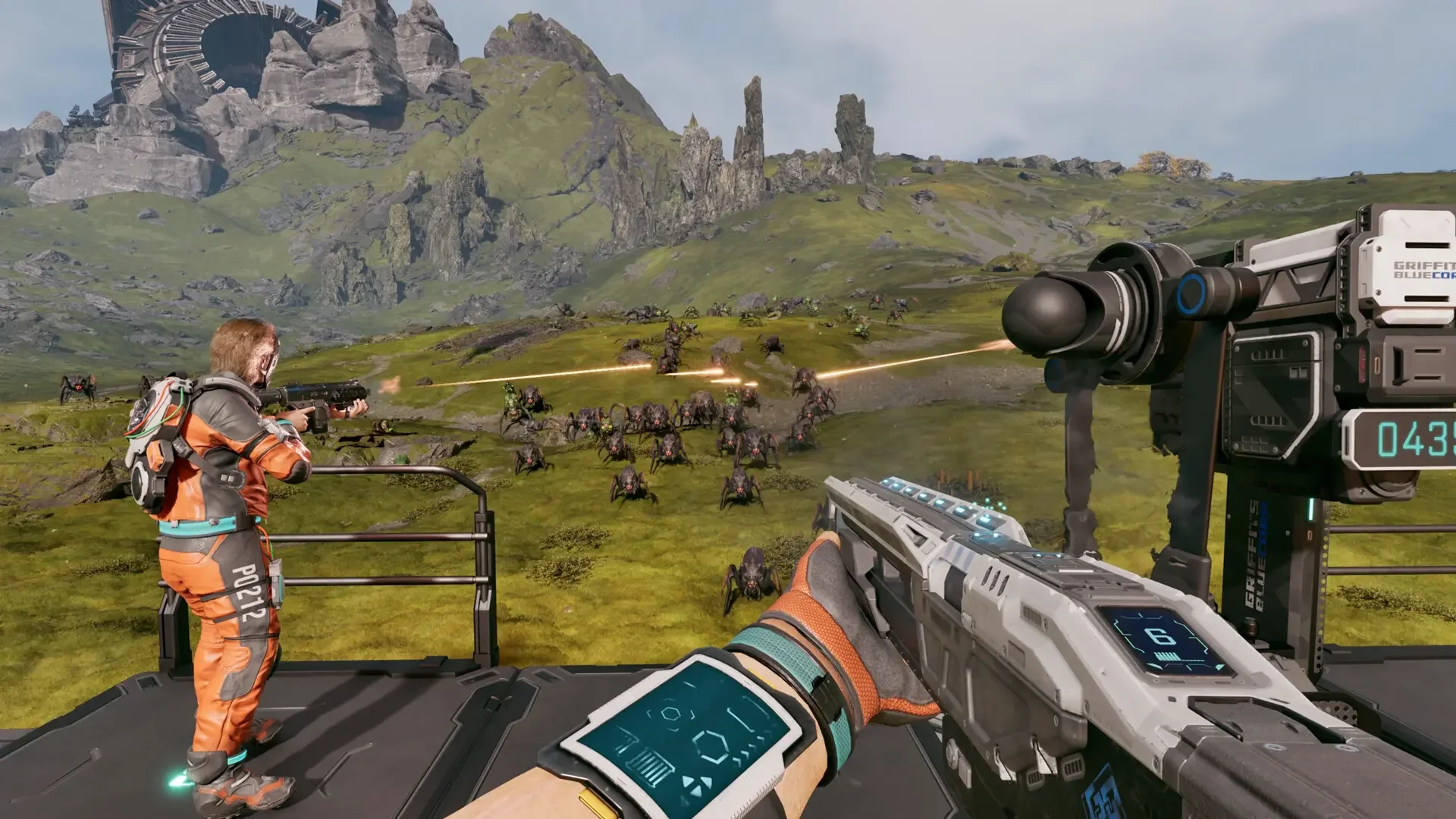
Eventually, you can build turrets, but early on, you are the turret. Keep your base compact enough that you can sprint from one end to the other to defend it. If you spread out too much, you will be playing a game of whack-a-mole with bugs, and the bugs will win.
Why Is My Rail Jammed?
This is the most common question I ask myself. If your rail isn't moving, it is usually because you manually messed with it.
If a machine requests resources for a job, it reserves space on the rail. If you then manually dump items into that machine, the stuff on the rail has nowhere to go. It sits there, blocking everything behind it. Build buffer storage (chests/depots) at the end of your production lines. It gives the overflow a place to go so your entire factory doesn't gridlock just because you decided to be helpful and hand-feed a machine.
YOU MIGHT ALSO LIKE
Setting up a dedicated server in StarRupture is currently a bit of a nightmare involving hidden menus and manual reloads, but I figured out how to make it work. Here is the step-by-step guide to hosting your own game without losing your save file.