Subnautica 2 Guide: How To Stop Scavenging And Start Crafting Blueprints
If you want to survive this aquatic nightmare, you have to stop acting like prey and start reverse engineering everything you see.
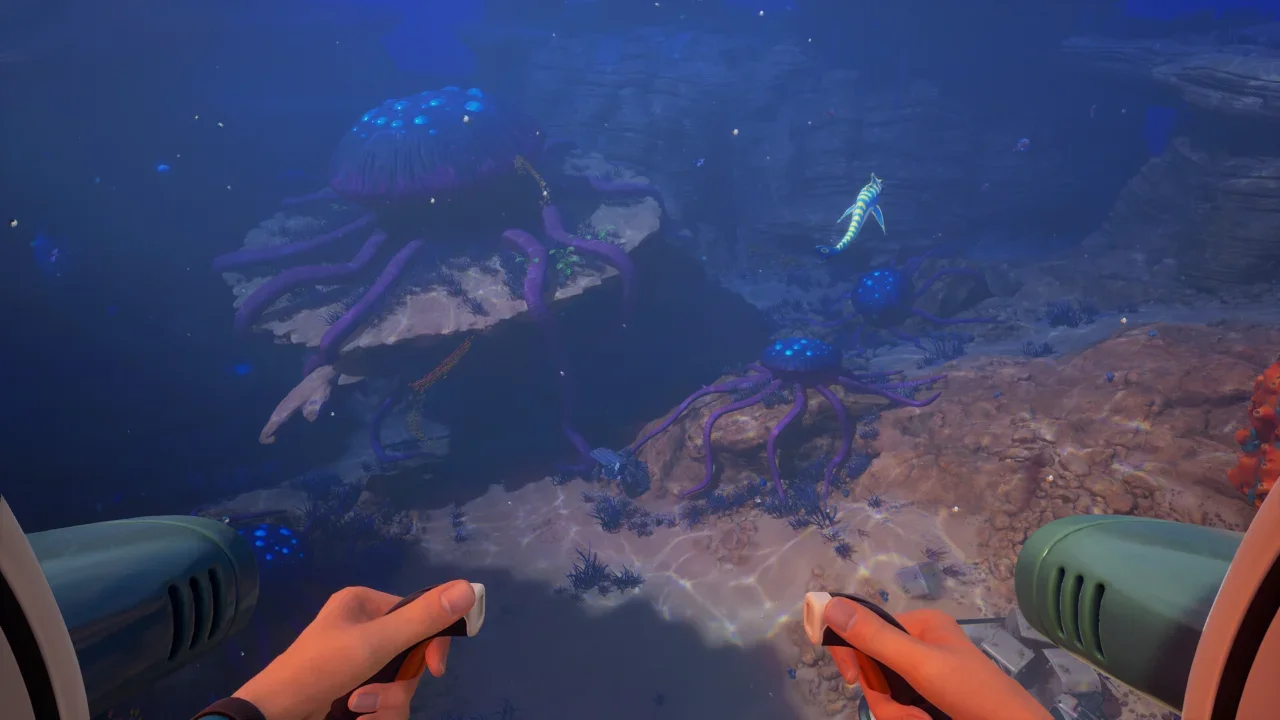
I remember my first few hours swimming around the Lifepod, wondering how I was supposed to build a sprawling underwater fortress with nothing but a basic multitool and a rapidly depleting oxygen tank. The game does not just hand you a catalog of high tech gear. You have to earn your survival. Progression here is strictly tied to observation and exploration. If you refuse to poke your nose into dangerous territory, you are going to be stuck eating raw fish in your cramped escape pod forever.
Before you end up as a snack for a passing leviathan, you need to understand how the blueprint system actually functions. The interface is not going to hold your hand. I have mapped out exactly how to expand your crafting menu so you can finally start building the equipment that will keep you alive. If you are struggling to even make it past the first hour, you might want to review my Subnautica 2 early game survival guide before worrying about base building. Getting your foundational footing is critical before you start worrying about advanced fabrication.
The Scanner Is Your Ultimate Lifeline
You are completely useless without a Scanner. Crafting this tool at your Fabricator needs to be your absolute top priority the second you splash down into the water. Everything else can wait.
Once you have it, pin it to your hotbar and never take it off. The ocean floor is littered with the shattered remains of previous expeditions, and your Scanner is the only way to make sense of that garbage. You just walk up to an object, point the tool, and hold the scan input until the progress bar fills completely. It sounds incredibly simple, but you would be surprised how often you might swim right past vital technology because you forgot to check the wreckage thoroughly. It is easy to get distracted by a massive alien predator and completely miss the piece of metal that could save your life later.
Scanning also feeds directly into your Databank. If you want to actually understand the ecological nightmare you are swimming through, you need to read those entries. They provide deep lore, crucial survival tips, and explanations for systems that the game otherwise refuses to explain to you out loud. The Databank is essentially your survival manual written in real time. For a broader look at those systemic fundamentals, my Subnautica 2 beginner guide breaks down exactly what you need to know to stay afloat.
Hunting Down Broken Technology
Do not expect to find fully functional equipment just sitting pristine on a rock waiting for you. You are looking for busted fragments of tools, destroyed facilities, and broken furniture.
I always tell people to head straight for structures, wrecks, and metal platforms. Those areas are absolute goldmines for scannable technology. Whenever your Noetic Advisor inside the Lifepod pings you with a black box waypoint, you need to follow it immediately. Those signals are not just for narrative flavor or world building. They are breadcrumb trails leading directly to the wrecks that hold your next major progression unlocks. Ignore the open empty ocean and stick to the debris fields.
The Multi Scan Grind
I need to warn you about the grind right now. You will rarely unlock a major tool after finding just one single fragment. The game forces you to hunt down multiple pieces of the same equipment before handing over the actual recipe.
When you scan a fragment, a pop up on the left side of your screen will tell you exactly how many more pieces you need to finish the blueprint. You can also track your overall progress in the Blueprints menu if you lose count. Do not panic if an outpost only has one piece of a Flashlight and you need three. There are always more scan points scattered around the map than you actually require. You just have to keep moving, checking new biomes, and taking risks. And if you happen to scan something you already fully unlocked, the game throws a minor amount of base materials your way. It is not a massive reward, but it makes double checking dark corners slightly less annoying.
Accidental Discoveries And Material Hoarding
You do not always need the Scanner to learn new tricks. Sometimes, just picking up a strange new plant or weird alien material will instantly unlock a recipe in your Fabricator.
The very first time I grabbed a Pent out in the wild, the blueprint for a Biofuel Block immediately popped into my menu. The exact same thing happened when I collected a Medical Gel Sack and unlocked the Fiber Mesh recipe. My strong advice to you is to grab at least one of absolutely everything you see. Even if your inventory is crying for space and you have to drop a bottle of water, holding a new strange resource for two seconds might be the exact trigger you need to unlock a critical base component. You can always drop the junk back onto the sea floor right after the notification pops up. The ocean will not judge you for littering.
Your Early Game Scanning Checklist
You can scan a hundred different aesthetic chairs and desks, but a nice office space will not help you survive a predator attack. I have compiled the exact pieces of technology you need to hunt down first.
Ignore the cosmetic base building fluff until you have secured these essential tools. The Habitat Builder is the grand prize here. Once you unlock that, you can finally ditch the cramped Lifepod and build a real base with a fully functional Fabricator that has no limitations. I also highly recommend keeping an eye out for the Tadpole submersible fragments, as that vehicle is your first real ticket to deep exploration without immediately suffocating. Here is exactly what you need to track down to get your operation running smoothly.