Timberborn Endgame Guide: Building the Earth Recultivator
Curing a dying planet requires an absurd amount of scrap metal, gears, and generations of exhausted rodent labor.
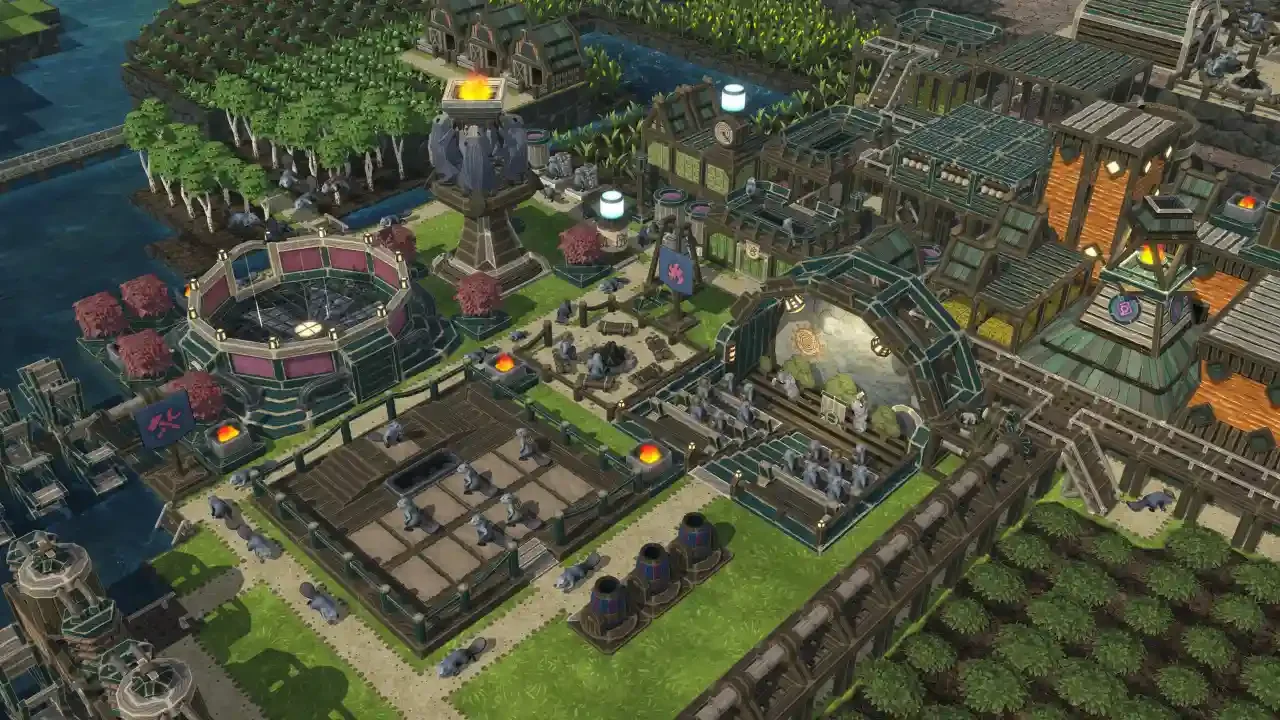
Timberborn is an endless sandbox, but the 1.0 update finally gave us a definitive endgame goal. Once you stop drowning your population and start thriving, the game challenges you to build the Earth Recultivator. This massive, artificial mechanical bulb shoots seeds across the wasteland, terraforming the dead earth and giving your settlement a permanent, map-wide happiness boost. It also unlocks the ability to restart your map from a completely new location.
The catch is that building this thing is a logistical nightmare. It is the most expensive structure in the game by a massive margin. If you try to construct it using a primitive, early-game economy, your beavers will literally die of old age before the foundation is laid. You need to transition from a simple survival camp into a heavily mechanized industrial empire.
The 20,000 Science Point Mountain
Before you can even place the blueprint down, you have to unlock the Recultivator. It costs twenty thousand science points.
Your basic Inventor huts generate a tiny trickle of science points over time. Relying on those to reach the twenty thousand mark is a fool's errand. You need to upgrade to Observatories as soon as your economy can support them. An Observatory produces roughly thirteen science points per hour, but it requires a constant input of power to function.
This is where your hydro-engineering comes into play. If you followed my Timberborn badtide and water physics guide, you should have a solid network of water wheels and automated sluices. You will need to hook up at least three or four active Observatories to your main power grid to chew through that research cost in a reasonable timeframe. Keep in mind that when the river dries up during a drought, your water wheels stop spinning and your Observatories shut down. Diversifying your power grid with windmills or engines is absolutely mandatory to keep the research flowing during dry seasons.
Securing the Raw Materials
Unlocking the monument is just the entry fee. Actually building the Earth Recultivator requires a staggering stockpile of processed materials.
You need to completely rethink your storage situation before you start the construction phase. The sheer volume of goods required to build the Recultivator will instantly overflow standard warehouses. You will need to dig out space for underground storage facilities, which hold a massive one thousand units of a single material. Do not start building the monument until your haulers have a place to organize the components.
The Pine Resin Bottleneck
I am warning you right now so you do not make the same mistake I did. Treated planks will absolutely ruin your endgame momentum.
To make treated planks, you need pine resin. You collect pine resin by building a Tapper's Shack next to fully grown pine trees. The problem is that pine trees take twelve days to grow and the resin extraction process is painfully slow. If you only realize you need two thousand treated planks at the end of the game, you will be sitting around for dozens of cycles waiting for tree sap to drip into a bucket.
As I mentioned in my Timberborn beginner survival blueprint, you need a Forester early. Use that Forester to dedicate a massive plot of land entirely to pine trees long before you actually need them. Get three or four Tapper's Shacks running in the mid-game and just let them stockpile resin in the background.
Scavenging and Smelting
Metal blocks are the other massive hurdle. You cannot grow metal. You have to send scavengers out to harvest the skeletal ruins of human skyscrapers left scattered across the map.
Those ruins are often located far away from your main water source. You will almost certainly need to create a dedicated mining outpost to reach them. If you are struggling with the logistics of moving scrap metal back to your main industrial hub, review my Timberborn district management guide to make sure your hauling routes are properly calibrated. Once you haul the scrap metal back, you have to run it through a Smelter. Smelters are power-hungry behemoths. Do not try to run them on the same power grid as your water pumps or your entire colony will grind to a halt.
The Robot Workforce
Flesh and blood beavers are great, but they have annoying habits like sleeping, eating, and dying of old age. If you rely entirely on organic labor to build the Earth Recultivator, the sheer volume of hauling and construction will exhaust your population.
You need to transition to bots. The robot factory production chain is complicated, but the payoff is an army of tireless mechanical workers. Robots do not care about well-being, they do not need water, and they work right through the night.
I highly recommend swapping out all your heavy industrial workers for robots in the late game. Put the bots in the Smelters, the Gear Workshops, and the Builder's Huts. Let your organic beavers handle the farming and the science generation while your machines chew through the grueling physical labor of monument construction. You will need to supply your bots with either biofuel or charging stations depending on your faction, but keeping a machine fueled is significantly easier than managing the complex dietary needs of an entire district.
Pressing the Button
When the final metal block is placed and the Earth Recultivator powers on, it is a genuinely satisfying moment.
Watching the machine launch seeds across the map and turn the dead, toxic wasteland into a sprawling green paradise feels earned. You fought the drought, you survived the badwater, and you completely rebuilt a ruined ecosystem. It takes an insane amount of patience and planning to pull it off, but watching your beavers thrive in a fully restored world makes the entire brutal grind worth the effort.