My Daily Tomodachi Life Routine For Keeping An Island Of Weirdos Running Smoothly
Left alone, the residents of your island will sit in an empty room complaining about hunger instead of walking to the store, so a little daily supervision goes a long way.
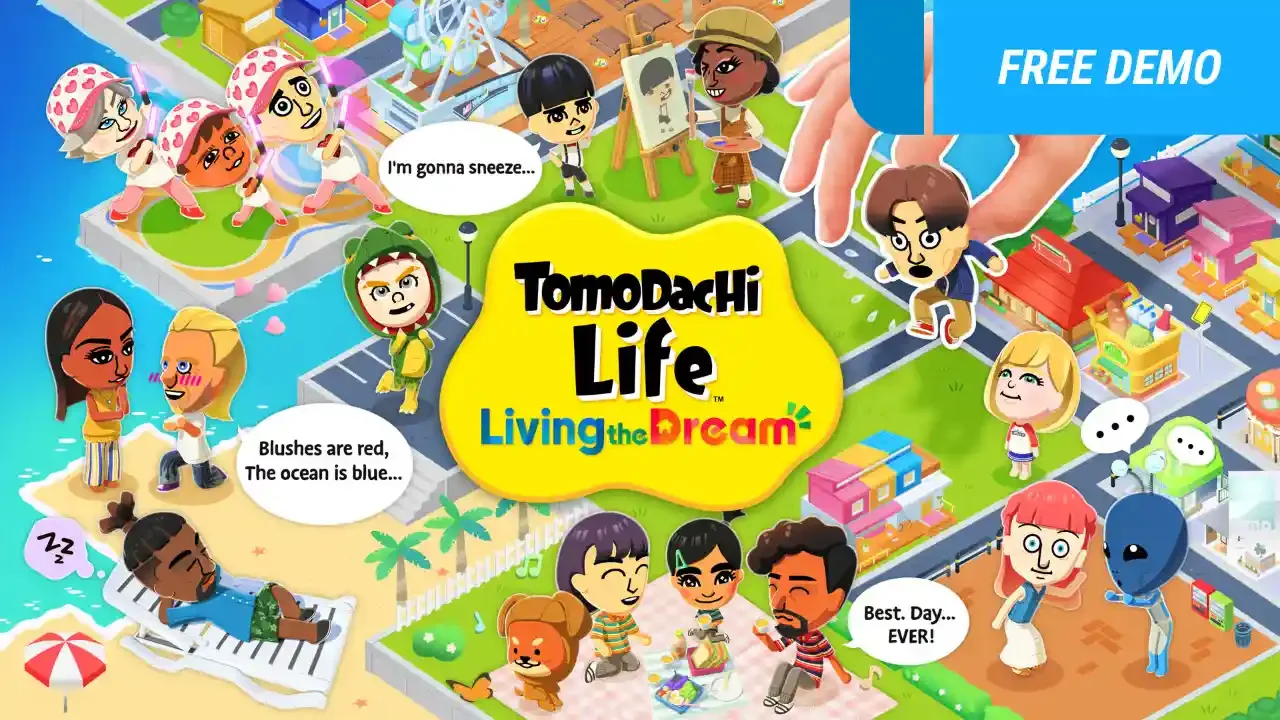
Tomodachi Life hands you a whole island of digital avatars and then expects you to babysit every last one of them. It's a strange kind of job, but once you settle into a rhythm, it stops feeling like work and starts feeling like checking in on a very odd group of friends. Here's the routine I follow every time I boot the game up.
The Fountain Comes First
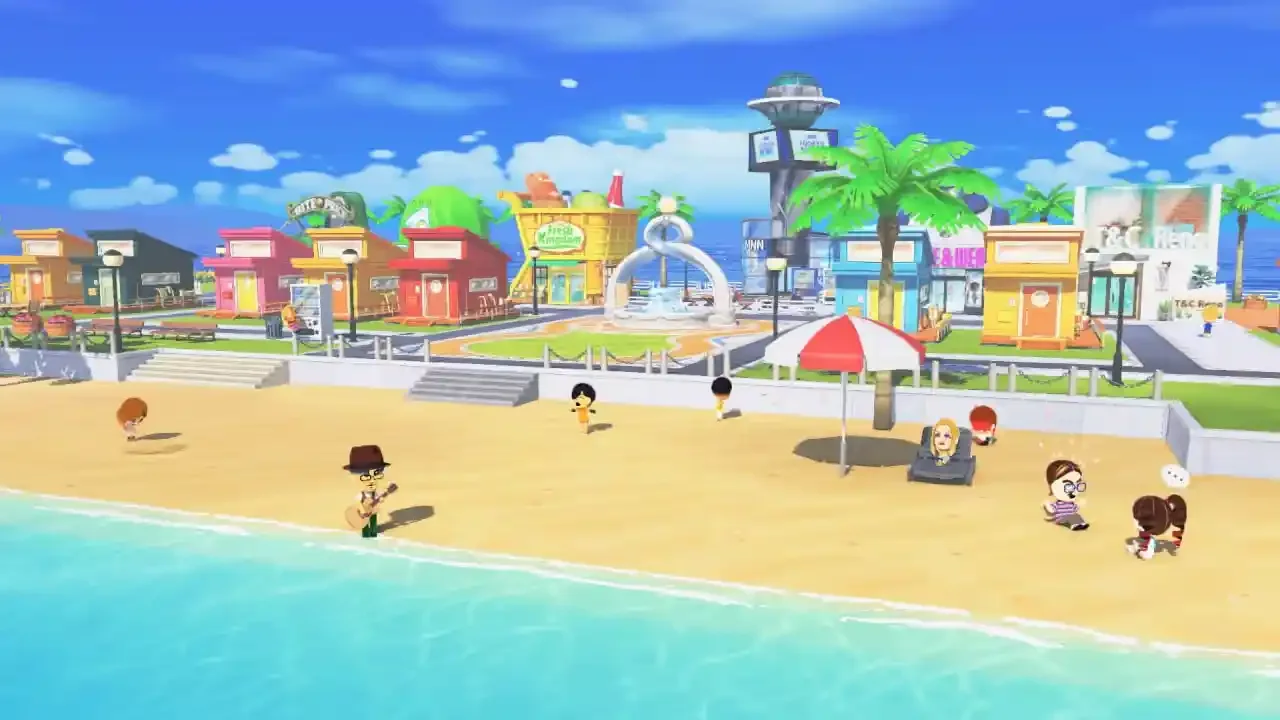
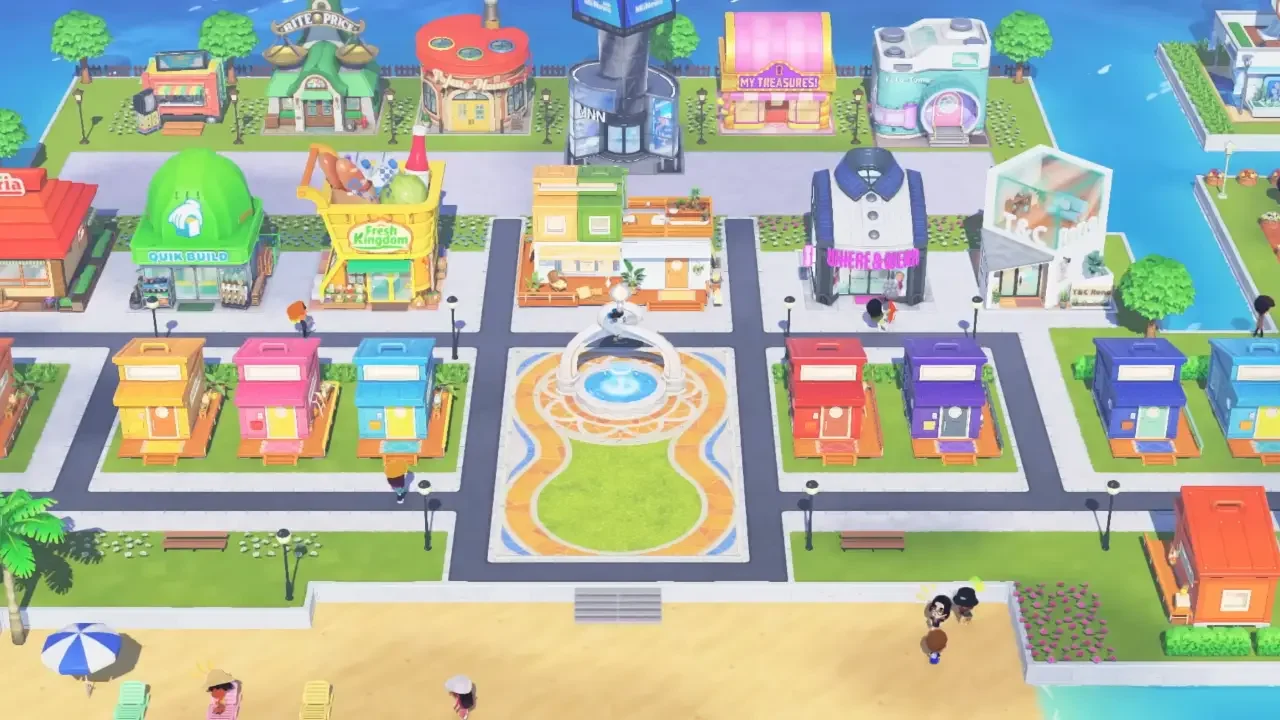
Before anything else, head to the fountain. Residents throw money at you there just for existing, and the amount you collect scales with how many Miis you have and how happy your island is overall. A cheerful island quite literally prints money, which is exactly why keeping everyone's mood in check matters so much. It's worth checking daily since it's free income for doing almost nothing.
Once you've got some cash flowing, it's worth putting it to use. Selling off the random treasures you win from minigames at the pawn shop turns clutter into spending money fast, and the shops restock daily with new food and clothing to test out.
Reading The Windows
After the fountain, I always swing by the apartment building. Looking at the windows from outside tells you exactly what's going on inside without needing to open every door yourself, which saves a surprising amount of time.
Black squiggles mean someone's having a rough time. Click on them right away to see what happened, since these are usually the result of a fight or a rejection. Leaving them alone doesn't make the problem disappear, it just leaves that Mii miserable and useless until you step in. I put together a full breakdown of these situations in our guide on friendship fights and how to pull a Mii out of a bad mood, which covers the messier cases in more depth.
Green outlines mean someone wants to play a minigame, and it's always worth saying yes. You'll either win a treasure to sell later or an item you can gift to another resident. Pink hearts are the big one, signaling a confession or a proposal, and how you handle those moments shapes the relationships on your island for good.
Filling The Stomach Gauge
Food in this game isn't just about keeping everyone fed, it's the main way residents level up. Every Mii has an invisible stomach gauge, and the goal each day is topping that off for as many residents as your budget allows.
Buying the priciest item on the shelf isn't the move here. What actually matters is finding each Mii's specific favorite food. Feed them something they love and they get a big experience boost along with a mood lift, while feeding them something they hate causes them to melt into a puddle of despair and wastes both the food and the money. Starting with cheap items to experiment is the low-risk way to figure out who likes what, and once you find a "Super All-Time Favorite," it's worth writing down so you don't lose track of it.
Leveling up gives you a reward choice, and teaching a song or unlocking a unique room design is almost always the better pick over plain pocket money. Songs in particular pay off later, since they let you host concerts at the observation tower, which tend to turn into some of the funniest moments on the whole island.
Why Some Neighbors Just Don't Get Along
Not every resident is going to click, no matter how many rooms you shove them into together. That comes down to the traits set during character creation, which quietly shape how each Mii's behavior sliders react to everyone else around them. If you're trying to build an island where specific personalities bounce off each other in specific ways, it helps to think of those sliders as the underlying code running the whole show, since they're doing a lot of the work behind the scenes.
A Short Daily List
If the routine above feels like a lot to track, here's the short version I actually run through each session:
Check the fountain first for free cash tied to overall island happiness
Clear any black squiggle windows before they drag down morale
Say yes to every minigame for treasures worth selling later
Catch the Mii News broadcasts, since they run twice a day and occasionally hand out unique items
Swing by the shops, since inventory rotates daily and it's the easiest way to stumble onto new favorite foods
None of this takes long once it becomes a habit, and skipping even one of these steps for a few days is usually where an island starts sliding backward.
Setting Your Sights On The Ending
Once the daily grind stops feeling chaotic and the cash flow evens out, the game opens up into something bigger. There's an actual ending here, along with a set of harder challenges built for anyone who wants to see the credits before moving on. Sticking to the routine above gets you there noticeably faster, and when you're ready for that stretch, our guide on trophies, the ending, and travel tickets covers exactly what that final push looks like.