Tomodachi Life: Living The Dream - The Complete Guide To Disasters And Hidden Mechanics
Your island can be running smoothly for weeks and still fall apart overnight, and Tomodachi Life: Living The Dream doesn't exactly warn you when it's about to happen.
Most of the game rewards patience and attention, but there are a handful of mechanics that work a little differently than you'd expect, and a couple that genuinely surprised me the first time I ran into them.
The Stuck Mii Trick
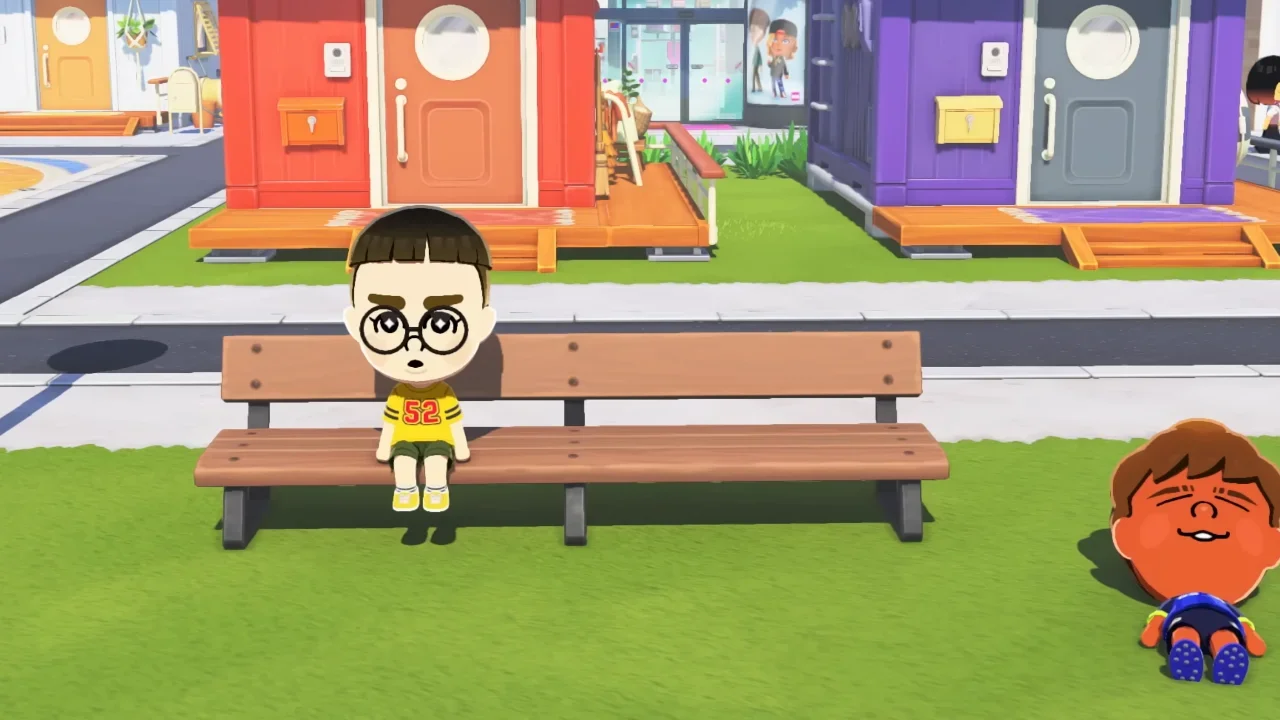
Every so often you'll log in to find a resident stuck on the ground, struggling to get back up. Tapping them yourself feels like the obvious move, but it's actually the weaker option. Doing it yourself only gives a small happiness bump and wastes what's otherwise a pretty useful moment.
Drag a different Mii over to help instead. That triggers a unique interaction between the two of them, and it boosts both their happiness and their friendship level at once. I've used this specifically to force two Miis who'd otherwise never get along to build a bond without spending a single gift on either of them.
Playing With Age Settings
If relationship drama isn't your thing, the game hands you a couple of ways to sidestep it entirely.
Digging into a Mii's profile settings reveals an age lock option that freezes them at their current life stage. Lock someone in as a child and they're permanently out of the dating pool, which means no marriages and no messy breakups to manage. Between this and our guide on raising kids and age settings, there's a lot more control over your island's population than it first seems.
For adults already causing problems, the Wishing Fountain occasionally hands out an item called the Kid-O-Matic. Give it to a grown Mii and they revert straight back to childhood, stripped of adult responsibilities and locked out of romance entirely. It sounds a little harsh written out, but it's an effective way to calm down a resident who keeps stirring up conflict with everyone around them.
The Pity Prize Economy
Here's one that runs against how you'd normally approach a game like this. If you're chasing full completion on the 247 item catalog, winning every minigame actually works against you.
The catalog tracks pity prizes as their own unique collectibles, things like a Box of Tissues or a roll of Toilet Paper, and you only get them by losing on purpose. Throwing a Double Shadow Quiz or letting the Ferris Wheel crash nets you items you can't earn any other way. It's a strange system, but if completion is the goal, deliberately playing badly ends up being just as important as playing well.
Watching Out for Divorce
Marriages take real effort to build, and they can unravel just as fast if the warning signs get ignored.
An argument icon hovering over a married couple is the first sign something's wrong, and it's worth stepping in right away rather than hoping it resolves on its own. Left alone, a couple's relationship gauge can slide into serious dissatisfaction fast, especially if a married Mii starts spending most of their time with single neighbors or entertaining outside romantic attention.
Once a Mii actually brings up divorce, you get one last shot at a reconciliation event, and depending on personality compatibility, that event can be genuinely tough to pass. If it fails, the fallout is rough. The house the couple built together gets wiped from the map, both Miis move back into the generic apartment tower, and worst of all, their relationship resets completely. They go back to being total strangers, memories and all. After putting in the work outlined in our guide on getting Miis married, watching it collapse and having to rebuild from zero is rough, so catching the warning signs early really is the better strategy than trying to fix things after the fact.