Tomodachi Life: Living The Dream - The Complete Guide To Babies And Age Settings
Getting a baby onto your island takes more than just marrying two Miis off and hoping for the best.
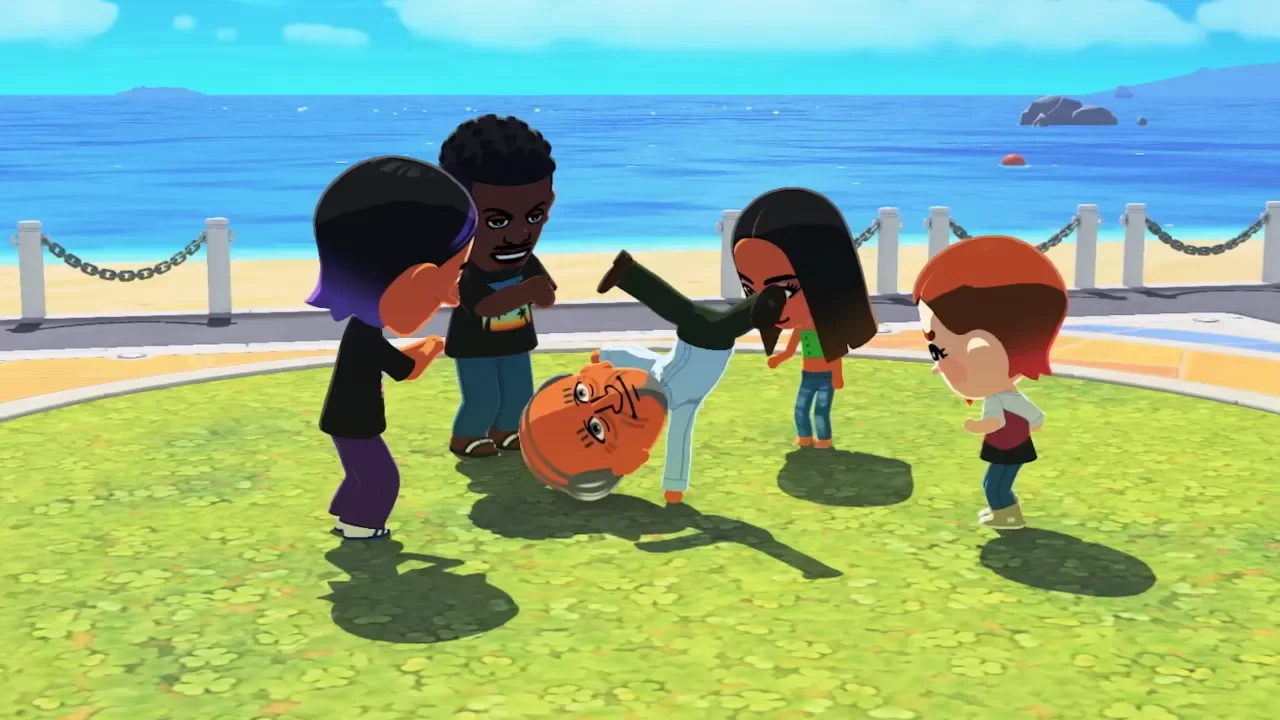
Marriage alone doesn't unlock the baby option. Once a couple ties the knot and moves into a shared home in Mii Homes, their bond still needs to climb all the way to Irreplaceable status before anything happens. When they get there, a pink speech bubble may pop up above one of them, bringing up the idea of having a kid. It's random though, so a couple sitting at Irreplaceable won't necessarily get the prompt right away. Checking back across a few sessions is worth it, and saying yes when the bubble finally shows up is all it takes.
Anyone still working through courtship rather than the altar can find the full rundown in our guide on how to get married. And if you're on the free demo, this entire system stays out of reach, since progression there caps out before marriage even happens.
The Birth and What Happens Right After
Once the couple has your blessing, the baby arrives within a day or two, and a phone call lets you know. From there, aging doesn't play out over multiple days the way you might expect. A short cutscene shows the parents raising the child, and the baby jumps almost straight to being ready to stay or move on.
While the baby's still living at home, a Babysit button shows up on the couple's house, and the parents might call if the baby's crying. Helping out earns a small reward, but there's no real downside to letting the call go unanswered either. None of this part is mandatory, so it's easy fun rather than an obligation.
One thing worth knowing if you're tracking your population: a baby doesn't count as an official resident until it grows up and you choose to keep it, which matters for the milestones covered in our guide on money, shops, and island size.
Picking Gender, Name, and Traits
A visit to the couple after the birth brings up the choice between a boy, a girl, or leaving it random. The baby inherits physical traits from both parents, and in Living the Dream, that can stretch to face paint and Little Quirks too, occasionally producing some genuinely wild combinations. Naming comes with some flexibility as well: accept what the parents suggest, ask for another option from a preset list, or name the child directly.
How the Age System Actually Works
Every Mii on the island, born or created, falls into one of two categories, and it's worth understanding before things get confusing. Any Mii set below 18 counts as a child, and child Miis can only form crushes and relationships with other children. They're locked out of marriage and the entire family chain until that changes. Adult Miis get the full range instead: romance, marriage, and eventually the option to start a family of their own.
A Mii's age can be edited directly through their profile, which gives a baseline level of control before any items get involved. If someone's meant to stay exactly as they are, the Don't Age setting in that same profile locks them at their current life stage for good.
Two items handle the actual conversions when profile editing isn't enough:
Kid-O-Matic turns an adult Mii into a child. It shows up as a level-up gift for adults, though a Mii with a sweetheart or spouse turns it down outright.
Age-O-Matic turns a child Mii into an adult, unlocking romance and marriage with other adults. It comes through the level-up gift pool for child Miis, and if two children get engaged, the game hands one over automatically so they can move forward.
Neither item can be bought outright, so getting one on demand comes down to a bit of luck through the gift system. Knowing that ahead of time saves the frustration of hunting for something that just isn't purchasable.
Birthdays Are Worth Keeping Track Of
Whatever birthday gets assigned during a Mii's creation actually matters later on. Friends throw a party at that Mii's place once the date rolls around, and if it lands on your own look-alike Mii's birthday, the whole island gathers in the plaza for a bigger celebration, complete with a unique Birthday Cake item.
Nudging the system clock forward to catch a missed birthday sounds tempting, but it's best left alone. Our guide on time travel penalties covers what actually happens, and the short version is that it can freeze up shops and cause real damage to an island's economy. Letting the date arrive naturally next year is the safer call.
Deciding What Happens When They Grow Up
Once the growing-up cutscene wraps and the child reaches adulthood, the parents call one last time with a decision to make. The child can stay on as a permanent resident, free to build a social life of their own and eventually go through this same cycle, or head out into the world instead. Sending them off leads into the conclusion covered in our guide on trophies, the ending, and travel tickets. Keeping them means they move in as a full adult, already living with their parents at the highest possible relationship level from day one.
Either choice keeps the island moving forward, and there's no wrong answer here, just whichever direction sounds like more fun for your particular island.