Tomodachi Life: Living The Dream - The Complete Video Game Farming Guide
Video games in this game count as Treasures, which means you won't find a single cartridge sitting in a shop no matter how hard you look.
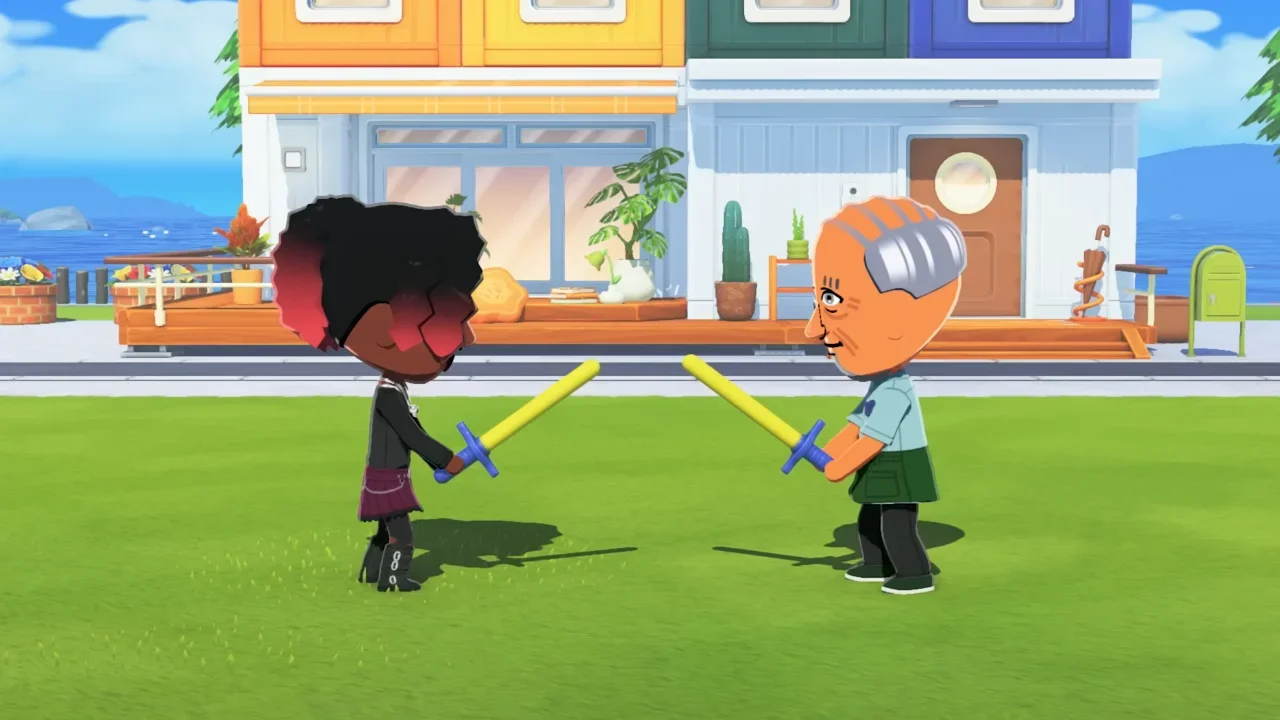
The only way to get one is to beat a Mii at their own minigame. You'll know a resident wants to play when you see green lines floating over their head, and winning that round is what actually opens the door to a reward.
Which Prize Box Actually Has Games
Beating the minigame gets you a choice between a Small, Medium, or Large Prize Box, and it's tempting to just grab Large every time on the assumption that bigger means better.
For video games, that instinct works against you. Large is where the big pets and gold bars live, and Small is mostly bugs and pebbles. Every single video game in the catalog comes out of the Medium box, full stop. Once you know that, there's no more guessing involved, just pick Medium and keep playing until the shelf fills in.
Every Title and What It's Worth
The Role-Playing Game is by far the best payout if you're farming for cash, and even the cheaper titles at the bottom still beat what you'd scrape together from daily fountain donations.
Selling Them Off
Once a cartridge is in your inventory, the pawn shop will take it off your hands with no questions asked, no matter which title it is. It's worth remembering that the sale is final though. There's no buying it back later if you change your mind, so it's worth deciding whether a Mii might get more use out of playing it than you'd get from the cash.
Or Just Let Them Play
Handing a game over instead of selling it opens up a genuinely fun side of the system. Give a console to a Mii and they'll equip it immediately, and there's a decent chance you'll check in later to find them parked on the floor, fully absorbed and mashing buttons like nothing else matters.
Games also tend to pull in a second Mii. If a resident is deep into their console, another one will often wander over to join, and that shared moment gives both of them a real bump to happiness and friendship at once. Handing someone a Dating-Sim Game specifically and seeing who shows up to sit with them is a fun little experiment if you're trying to nudge two residents closer together.
Designing Your Own
If the ten default titles start to feel thin, the Palette House Workshop lets you build something of your own once the Treasure catalog is opened up through the Wishing Fountain.
From there, it's just drawing your own box art and giving it a title before saving it. The finished cartridge shows up automatically at the My Treasures Shop, ready to buy with regular cash any time you want another copy. Handing your whole island a horror game you drew yourself is a small thing, but it's a satisfying one, and it's the kind of detail that makes an island feel like it's actually yours instead of running on the same ten defaults as everyone else's.