Tomodachi Life: Living The Dream - The Complete Music And Custom Albums Guide
Music records don't show up in a single shop on the island, so pulling together a collection means going straight through the game's minigame system instead.
Like a lot of the game's Treasures, albums are tied to winning challenges from your residents rather than anything you can just buy outright. Spot a Mii with green lines floating over their head and you've got a shot at earning one, provided you win.
The Prize Box You Actually Need
Beating a Mii at something like Bowling or a round of Double Shadow Quiz earns a choice between a Small, Medium, or Large Prize Box, and for records the answer is always Large. Small and Medium are where the pets, bugs, and basic trinkets live. All ten default albums come exclusively out of Large.
That doesn't mean every Large pull is a record though, since pets and gold bars are mixed into that same pool. It just means Large is the only box worth picking if music is the goal, even if it takes a few tries to actually land one.
There's a slower option too. Purple ZZZ bubbles over a sleeping Mii mean a fever dream is playing out, and letting it run its course occasionally hands you an item once they wake up, records included. It's random and there's no rushing it, but it's a nice way to pick up an album without racing a minigame timer.
What Each Record Sells For
Classical sits well above everything else on this list, so if you're farming Large boxes purely for cash, that's the one you're hoping to see drop.
Giving an Album to a Mii Does More Than You'd Expect
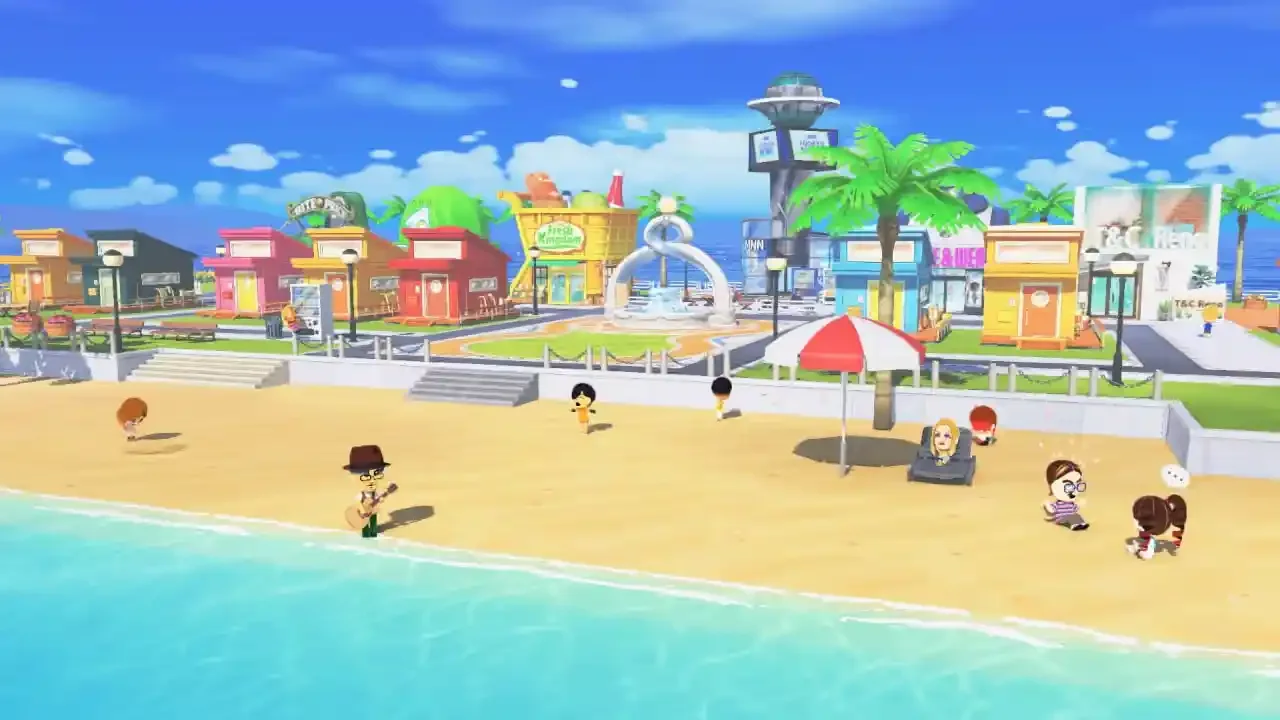
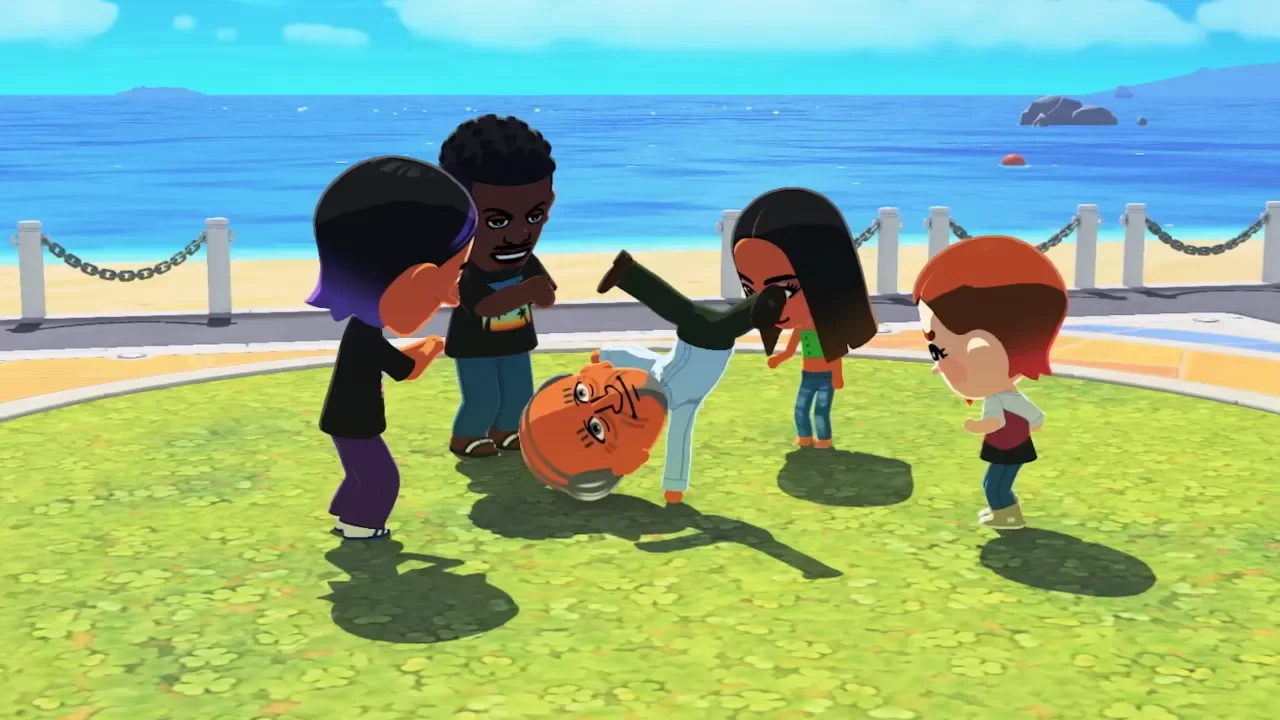
This is honestly the part of the system that won me over. Hand a record to a resident and they don't just sit alone listening to it in their room. They head out to a public spot like the park or the fountain, gather up whoever else happens to be around, and actually play the music for a crowd.
That little scene isn't just for show either. It hands out a real chunk of bonus experience to everyone involved, which makes it one of the easier ways to level up a few Miis at once without micromanaging each one individually. If a resident's been sitting around with nothing to do, tossing them a Techno Album is a pretty reliable fix.
Selling Instead
If a public concert isn't what you need right now, records hold up fine as straightforward cash. Take a stack to the pawn shop and sell them off, no complications there.
The only real catch is permanence. Once an album's sold, it's gone, and getting another copy means going back through the whole minigame grind again. Worth keeping that in mind before clearing out anything you might've wanted to gift later.
Painting Your Own
Once the Treasure catalog is open through the Palette House Workshop, the Music tab lets you design album art completely from scratch. Draw the cover, name the album whatever you want, and save it.
From there it's stocked automatically at the My Treasures Shop, ready to buy with regular cash whenever you want another copy for a different resident. Watching your own island throw an impromptu concert around a cover you painted yourself is a pretty fun payoff for a system that starts out feeling like a total grind.