007 First Light Cost IO Interactive a Staggering $200 Million
Building a believable origin story for the world's most famous spy apparently requires the GDP of a small island nation.

Now that 007 First Light has finally landed on our machines, I can safely say the game is an absolute blast to play through. The community seems to agree with me too, considering it currently sits at a rock-solid 91% positive rating on Steam. But behind that smooth launch lies a terrifying financial reality that highlights just how insanely risky modern game development has become. Reports coming straight out of Denmark reveal that IO Interactive spent a mind-boggling 1.3 billion kroner over a seven-year development cycle to bring a young James Bond to life. If your currency converter is feeling lazy, that translates to roughly 200 million dollars.
Breaking Records in Denmark
The sheer scale of this budget has completely reshaped the entertainment landscape in IO Interactive's home territory.
A Historic Financial Gamble
According to a detailed report published by the Danish public broadcaster DR, this massive price tag was not even tied to a specific marketing breakdown. It seems that 1.3 billion kroner went purely into the development of the game itself. To make things even more intense, a separate report from Denmark's TV 2 confirmed that this project is officially the most expensive piece of entertainment ever manufactured in the country. It completely dwarfs the budget of any domestic film, television series, or tech product in Danish history. It is a massive, terrifying throw of the dice that could have easily sunk the studio if the launch tanked.
Hollywood Scale on a Gaming Timeline
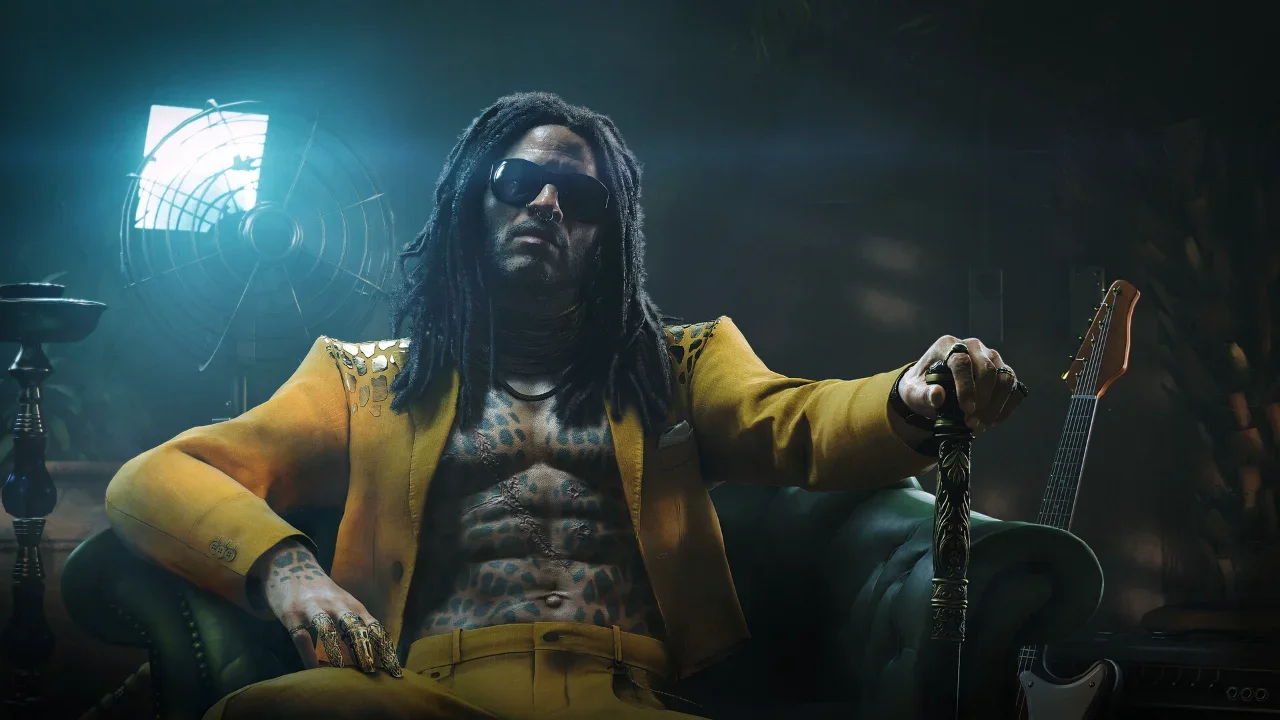
The reason the numbers look so scary is that IO Interactive treated this project like a prestige film production. The studio did not just build standard stealth sandboxes. They hired dedicated writers to build complex narrative structures, mapped out cinematic pacing, and used advanced motion capture technology to scan the physical movements and facial expressions of real actors, including a high-profile appearance by Lenny Kravitz.
Why Modern Game Development Costs So Much
The days of building a high-end spy game with a small team and a modest budget are officially dead.
The Problem With 20-Hour Stories
Hakan Abrak, the CEO of IO Interactive, shed some light on why the studio had to burn through so much cash. He pointed out that while a Hollywood blockbuster only needs to keep you entertained in a theater for two hours, a modern video game is an entirely different beast. You expect a living, breathing ecosystem that keeps you completely hooked for dozens of hours. If you want to see exactly how much real estate that cash bought, you can look at my 007 First Light how long to beat chapter list to see how massive the final campaign actually turned out.
Building Dynamic Ecosystems
Every single location in the game had to be built from the ground up to react to your choices. Abrak noted that creating environments that change dynamically depending on whether you visit them during the day or at night requires an immense amount of engineering. They had to build a raw, 26-year-old version of Bond who had to earn his 00 status, meaning the narrative team had to invent a completely fresh cast of allies and enemies. If you want to see how that massive investment translated into the actual plot, take a look at my deep dive on the 007 First Light villains explained to see how the web of lies unravels.
The Massive Industry Shift
This 200 million dollar budget is a perfect reflection of where the broader industry is heading. Spilforsker Emil Lundedal Hammar from the University of Copenhagen pointed out that the global gaming market sits at a staggering 175 billion dollars annually. That means the gaming industry is earning roughly one and a half times more than the entire global film industry, even when you count massive streaming networks like Netflix.
With that much cash floating around, the audience expects every single release to look like an absolute masterpiece. IO Interactive met those massive expectations, but spending seven years and 1.3 billion kroner to get there proves that the business side of gaming is getting genuinely scary.