Cooking Simulator 2: Better Together Review: The Magic Is Gone
Big Cheese Studio spent seven years, a handful of delays, and a full engine overhaul turning Cooking Simulator into something far more realistic, and somewhere along the way, most of the fun got left behind.
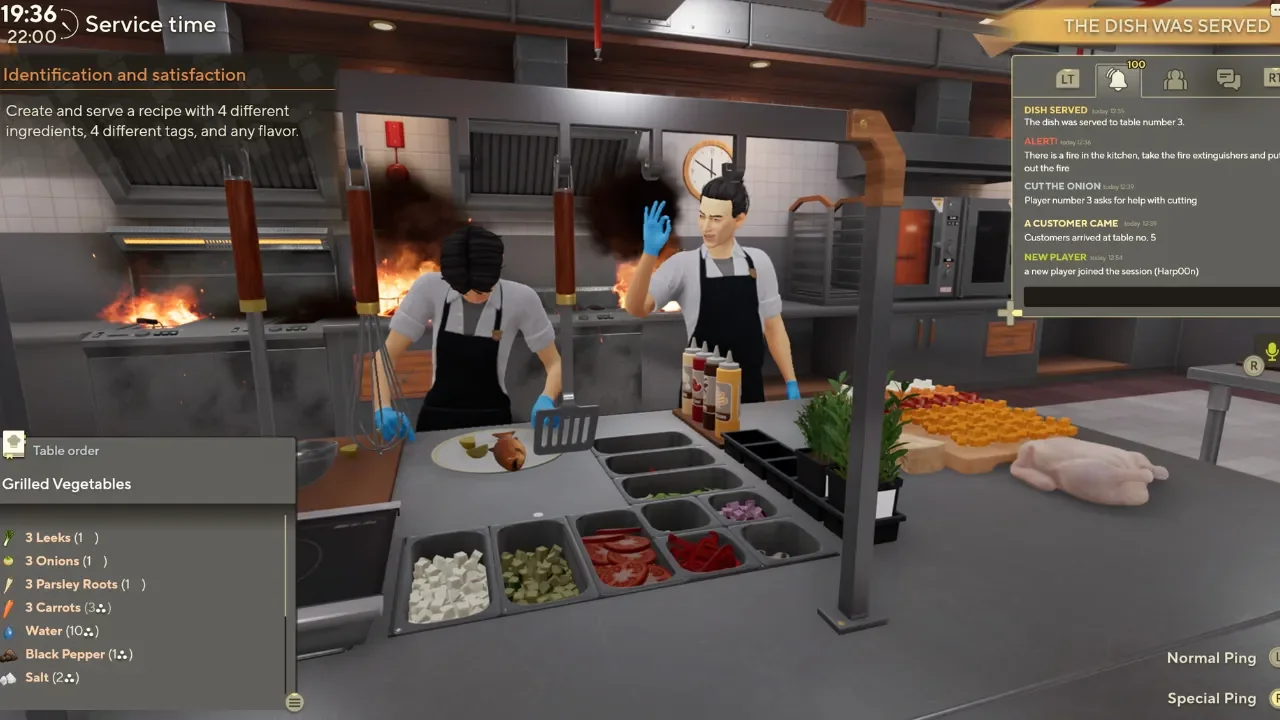
The pitch for Cooking Simulator 2: Better Together is simple enough. Take the sandbox chaos everyone loved in the first game and build a proper co-op restaurant sim around it. What actually shipped is a much stricter, much slower kitchen sim that trades the original's happy physics for something closer to real line cook management. If you've ever worked in a kitchen, the logic behind prepping and storing ingredients for the next day probably makes sense. As a game meant to be played for fun, it mostly just feels like clocking in for a rough shift somewhere understaffed.
The Old Chaos Got Replaced With a Grid
The biggest change here is the removal of free cutting and physics based pouring, the two systems that made the first game so weirdly satisfying. Slicing a lemon in the original felt like defusing something small and stressful, in a good way. It took real precision and it was easy to mess up, but that was the appeal.
In the sequel, that's gone. You set an onion on a board, click a dice option, and the game neatly separates it for you. It's efficient. It's also nowhere near as fun to actually do.
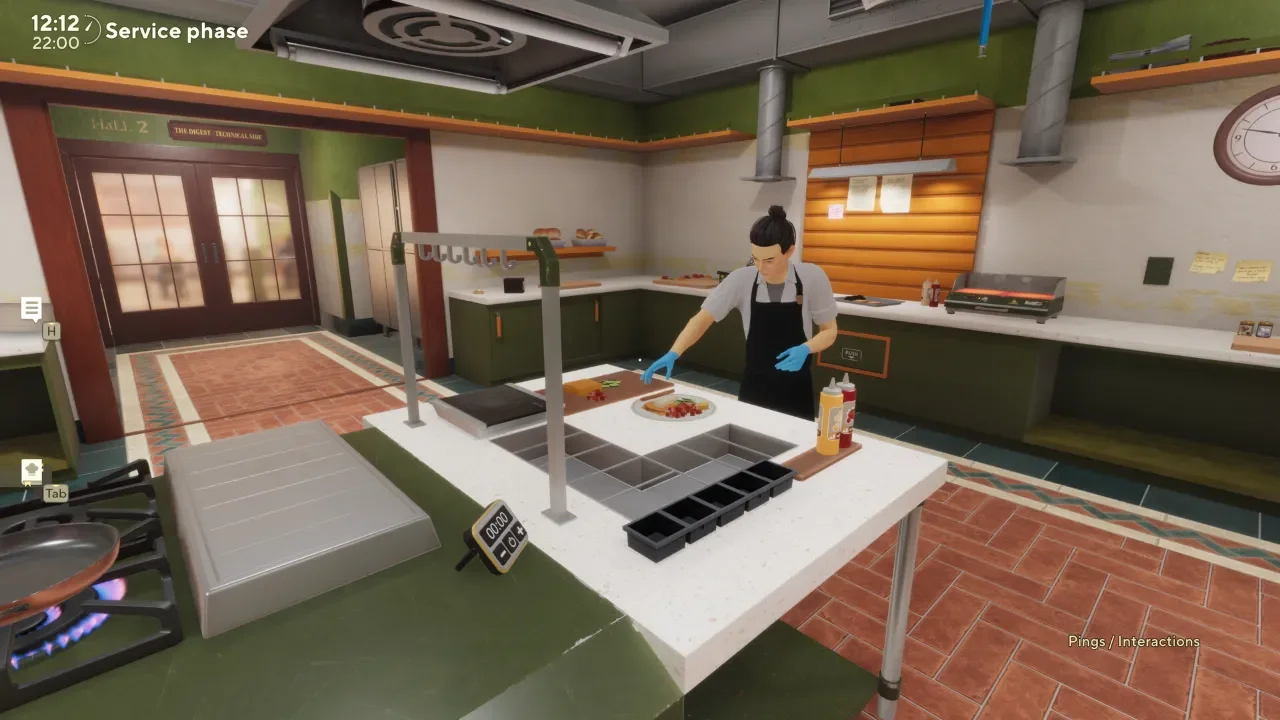
The kitchen itself got sterilized right along with the cutting board. Food doesn't roll or tumble anymore unless you specifically hit a throw button, so everything sits exactly where you place it. Tidier, sure, but it strips out the tactile, slightly chaotic feeling of actually cooking something. It starts to feel less like a kitchen and more like clicking through a spreadsheet with extra steps.
Plating Wants Precision the Engine Can't Deliver
Plating follows the same pattern. The game asks for exact, rigid placement with almost no creative freedom in how a dish comes together. That would be a fair trade if the physics engine could actually keep up with its own rules, but it can't. Sauces stretch out like elastic bands, and ingredients sometimes float above the plate entirely instead of sitting on it. So the one system asking for the most precision is also the one glitching out the most.
Rough on Hardware That Shouldn't Struggle
Even setting the new mechanics aside, the technical side of things is a bumpy ride. Even on a high end RTX 40 series card, there's noticeable micro stuttering, harsh frame drops, and the occasional freeze. The lighting stays uncomfortably bright even with the in-game kitchen lights switched off, and there aren't many graphics settings available to adjust frame rate or sensitivity. For a premium release, that's a pretty thin toolbox.
A Tablet Full of Tiny Icons
The interface doesn't do the game any favors either. The recipe tablet buries everything behind endless scrolling through small, hard to read icons. More seriously, keybind rebinding just doesn't work. Try to change your controls and the game quietly ignores it and reverts to the default layout. For anyone who relies on custom keybinds to play comfortably, that's a real barrier right out of the box, not a small inconvenience.
Solo Play Moves at a Crawl
Playing alone highlights just how glacial the pacing can get. Customers take their sweet time deciding what they want while you stand around an empty dining room waiting. Once you've prepped their meal in a few quick minutes, it's back to waiting again. Some ingredient deliveries take a full thirty real world minutes to arrive, which feels like a mobile game timer dropped into a full priced PC release.
The Tutorial and Recipe Editor Need Work
The onboarding isn't much smoother. The tutorial is dense and text heavy, and manages to leave you financially wiped out before the actual campaign even starts. At one point it asks you to mix ingredients without giving you the tool needed to do it. The recipe creator, one of the more heavily advertised features, is buried behind a confusing menu with no real in-game guide to walk you through it.
Better Together, When It Actually Works
The title puts co-op front and center, and when the multiplayer side is running smoothly, it's honestly the best the game gets. Splitting up prep stations and calling out orders across the kitchen with a partner adds a layer of coordination the original never had. There's a real spark there.
Getting There Is the Hard Part
Getting to that spark means surviving matchmaking first. Random lobbies can kick you out instantly with no explanation, and lobbies crash more than they should. Once you're actually in a kitchen together, desync issues start pulling the experience apart at the seams. One person might be staring at a perfectly raw steak while their partner sees it burnt to a crisp. If someone else is using the plating station, you're locked out entirely and stuck watching until they're done. Coordination becomes a lot less fun when you can't even trust what you're both looking at.
The Verdict
There's a deep, structured restaurant sim buried somewhere in Cooking Simulator 2: Better Together, but it's currently sitting under a pile of bugs, rigid systems, and interface headaches. The sequel swapped out the joyful chaos of the original for something more realistic, then didn't quite make sure that realism was enjoyable to actually play through. Unless a genuine craving for a co-op management grind and a lot of patience for future patches is on the menu, sticking with the first game is the easier recommendation right now.
Score: 4.5 / 10 A stricter, buggier kitchen that swapped fun for precision and lost both along the way.
We at NLM received a key for this game for free, this however didn't impact our review in any way.