House Flipper Room Requirements: The Complete Furniture Guide
Spending two hours designing a gorgeous master suite only for the game to permanently label it a corridor is a unique kind of psychological torture.
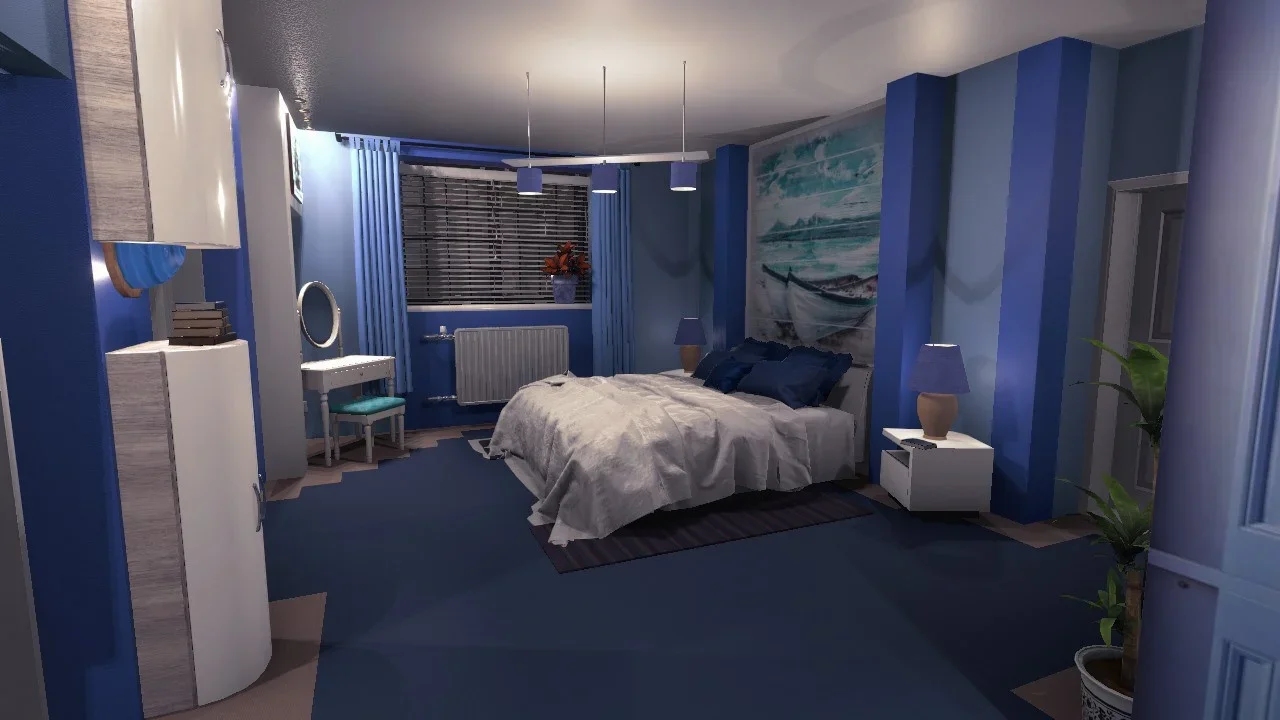
When you first start flipping properties, you operate under the assumption that the game respects your creative vision. You paint the walls a nice calming blue, drop a coffee table in the center of the space, and expect the interface to recognize your hard work. Instead, you look at the blue banner on the right side of your screen and see the words "Empty Room" staring back at you.
The underlying engine of this game does not care about your aesthetics. It operates on a rigid, hardcoded checklist of specific items and strict square footage limits. If you want to make money fast, you have to learn how to manipulate this specific tagging system. Certain high paying clients will completely ignore your auction if the internal room tags do not match their hyper specific demands. I have spent countless hours placing and deleting single chairs just to figure out the exact mathematical boundaries of these labels. Here is exactly what you need to build to force the game to recognize your rooms.
The Absolute Basics Of Room Detection
Before you start worrying about furniture, you have to understand how the engine calculates physical space.
A room is defined as any space completely enclosed by walls or lintels. If you leave a massive gap between two zones without a lintel above it, the game treats the entire area as one giant room, which usually breaks the tags.
When you first walk into a space that has absolutely nothing in it, the game labels it an "Empty Room." The moment you add a single light fixture, a light switch, or an electrical outlet, that label changes to just "Room." From there, the tag will dynamically update based on whatever furniture you drop onto the floor. If you are struggling to build walls to separate these zones efficiently, I highly recommend checking out my guide on how to farm perk points so you can unlock the One Man Crew building skill.
One And Two Item Rooms
These are the foundational blocks of any property. If you cannot get these right, your flip is already doomed.
The Danger Of Square Footage
You have to pay close attention to the size limits noted above. If you build a beautiful walk in closet but the room is 13 square meters, the game will completely drop the Closet tag and revert back to a standard Room. The same logic applies to the Psychomanteum, which is easily the weirdest room tag in the game. It requires a tiny, claustrophobic footprint. If you stretch the walls too far, the tag breaks.
The Mid Tier Rooms
Once you move past basic bathrooms and closets, you start combining elements to create specific lifestyle spaces. These tags are crucial if you are trying to satisfy the bizarre demands of the solo buyer profiles.
The Corridor Curse
The Corridor tag is notorious for ruining layouts. The engine classifies a corridor primarily by its doorways. If you have a space that links an exterior door to two interior rooms, the game slaps the Corridor label on it. To break this curse, you sometimes have to swap standard doors for open lintels or completely rethink your floor plan. The built in wooden sliding doors occasionally fail to register as legitimate interior doors, which can actually work to your advantage if you are trying to avoid the corridor label.
Complex Rooms And Accidental Sabotage
The most intricate rooms require up to seven specific items. This is where most people accidentally ruin their own auctions.
The Danger Of A Single Toy
Look closely at the difference between a standard Living Room and a Family Room. If you are trying to sell a bachelor pad to a high paying client who explicitly hates children, you build a pristine Living Room. But if you accidentally leave a single toy block sitting on the coffee table, the game engine instantly upgrades the tag to a Family Room. That bachelor client will instantly drop his bid, and your profits will vanish because of a plastic dinosaur. Keep your spaces strictly categorized.
Hardcoded Presets And Bypassing The Grind
There are two room types you absolutely cannot create from scratch in the standard sandbox mode: Garages and Bunkers.
A Garage requires a functioning garage door, which is permanently bolted to the specific house models that feature them. You can paint the garage, furnish it, and even throw a bed in the corner. The room will stubbornly remain labeled a Garage in the UI, even though the potential buyers will dynamically react to the bed as if you added a bedroom.
Bunkers operate on the same logic. If you are diving into a 100 percent achievement run, you will encounter the Doomsday DLC buyers who only bid on bunkers. You cannot dig a hole and build your own. You have to buy a property that already has one installed and fulfill their bizarre survivalist requirements underground.
If wrestling with these rigid item checklists is making you hate the renovation process, you always have a backdoor. You can completely bypass the economic grind by enabling the developer tools. Check out my full breakdown of the House Flipper console commands to instantly give yourself a 100 percent completion rating on jobs or spawn a shotgun to blow massive holes in your freshly painted, incorrectly labeled corridor. Sometimes, extreme demolition is the only valid response to a strange tagging system.