Geralt's Voice Actor Says AI Is "Robbing" Him, and He's Not the Only One Saying It
Doug Cockle, who's voiced Geralt of Rivia since the first Witcher game, says AI voice cloning is costing him actual income, and he's one of several video game voice actors saying some version of the same thing this year.
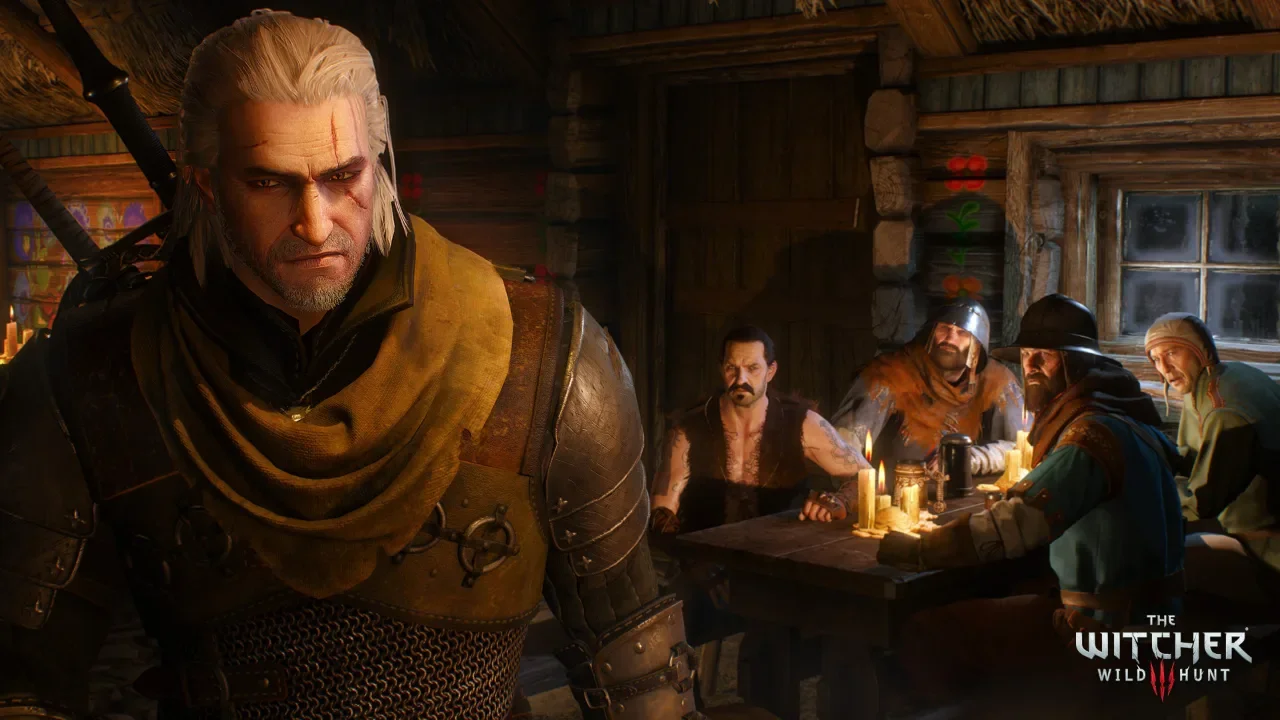
"Every time somebody does that, they're effectively robbing me of income," Cockle said, describing AI clones of his voice showing up in places he never agreed to. He's watched it happen more than once already, mostly fan projects and mods rather than anything commercial so far, though he was careful not to name specifics. What worries him more is where the line goes next. Voice cloning built for a mod today is the same technology someone could point at something "politically or ethically bad" tomorrow, using his voice or anyone else's to put words in a character's mouth that the actor never said and would never agree to.
He's Not the First to Say This
Assassin's Creed Syndicate's Victoria Atkin called AI-generated mods using her voice the invisible enemy voice actors are currently fighting. Metal Gear Solid's Paul Eiding, who plays Colonel Campbell, has said the same about unauthorized clones of his own work. Before either of them, voice actors had already pushed back publicly after AI turned up in explicit, unauthorized Skyrim mods, it's the same shape of problem landing on a lot of different people's voices.
This Ties Directly Into Today's Other Story
Yesterday's Rideshare "Stimulator" story got a follow-up worth noting here. Saber Interactive has since denied Stella Sacco's claim that a writer was replaced with ChatGPT, telling PC Gamer that "Rideshare's story was written entirely by real people." In the same statement, Saber confirmed the game's free-ride mode will use generative AI anyway, for the passenger dialogue, because the number of possible passengers is effectively infinite. Whether or not a specific writer got pushed off the project, Saber is on record saying AI voices real dialogue in the shipped game, on a Steam page that still doesn't disclose it.
What Voice Actors Can Actually Do About It
SAG-AFTRA's video game actors ended a year-long strike over exactly this in July of last year, and the resulting contract secured consent and disclosure requirements before a studio can use an actor's AI-generated digital replica. That covers the actors under that contract dealing directly with signatory studios. It does nothing for a fan or a modder running someone's dialogue through a voice cloning tool on their own time, and legally, that gap is real. Training an AI on a voice isn't copyright infringement by itself. Where actors have a case is closer to old right-of-publicity law, the same logic that got Bette Midler paid decades ago when Ford hired a sound-alike instead of her actual voice, now updated in a few states like Tennessee specifically to cover AI clones. Proving it, and affording the years it can take to prove it, is a different problem than having the right in the first place.