Outbound Starting Vehicles: Which Camper Should You Choose?
You are staring at the vehicle selection screen terrified of making a permanent mistake, but I am here to ensure you roll out with the right chassis.
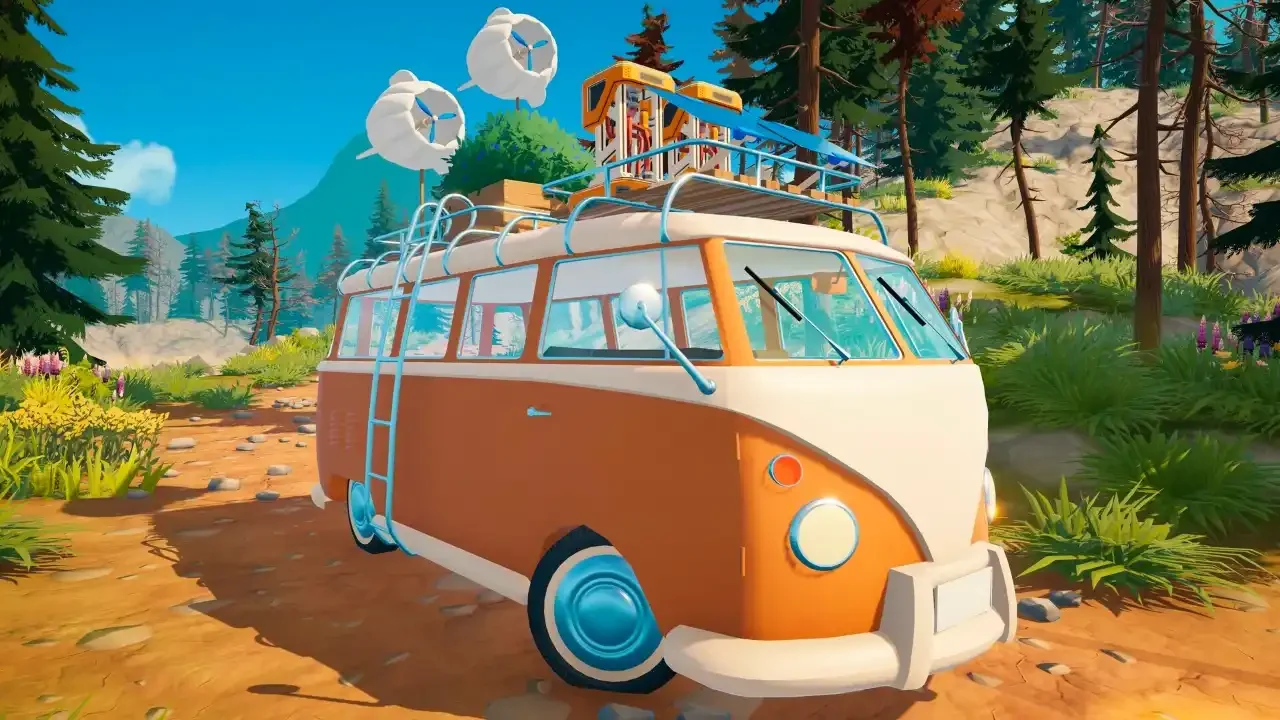
The cozy aesthetic of this game lulls you into a false sense of security right before hitting you with a completely irreversible decision. Once you pick your starting camper, you are locked in for the rest of your save file. You can visit drive-through stations later to change your paint job, but the actual frame and its base stats are yours forever.
Before you start hoarding resources and planning your dream solar array, you need to understand what the numbers on the selection screen actually mean. The game gives you three base options, plus a fourth if you opened your wallet for the DLC. I spent too much testing the handling, loading up the trunks, and figuring out where the engines are hidden so you do not have to.
Vehicle Stats and Specifications
Here is exactly what you are dealing with when you look at the starting lineup. I stripped away the marketing fluff so you can see the raw utility of each model.
The Big One: My Top Recommendation
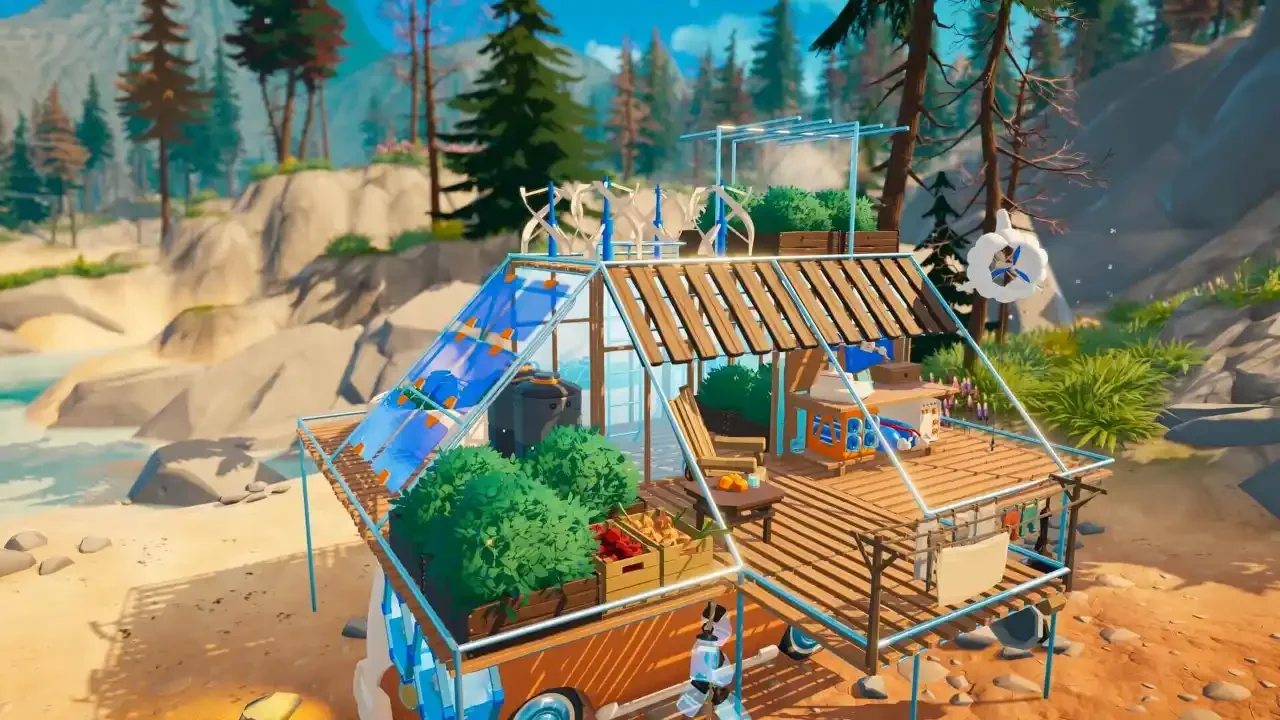
If you want my direct advice on how to optimize your run, pick the Big One. The vast majority of your time in this game revolves around collecting materials, processing them, and bolting new modules onto your roof.
The Big One gives you a nearly maxed out Building Space stat and fantastic Carrying Weight right out of the gate. Yes, the handling is sluggish, and taking sharp corners feels like steering a brick through molasses. However, the handling stat is effectively a trap. Every single vehicle in this game feels a bit cumbersome to drive. You do not gain a massive tactical advantage by sacrificing your precious storage space just to turn a steering wheel slightly faster. Give yourself the room to build and ignore the clunky turning radius.
The Pathmaker: The Agility Trap
The Pathmaker is an SUV built for navigating tight corners and rough terrain. It has light, responsive steering that makes driving objectively easier than the bus models.
Before you lock this in for the comfort of driving, you need to look at the interior. The floor space is severely limited. You get a permanently installed table to place items on, but your overall capacity for decorations and utility stations takes a massive hit. The initial roof load capacity is also noticeably lower. If you plan on building a sprawling mobile base, the Pathmaker will bottleneck your creativity early on. Also note the layout quirks: your workbench lives in the trunk, while the bio-burner and engine are tucked under the hood.
The Classic: The Safe Middle Ground
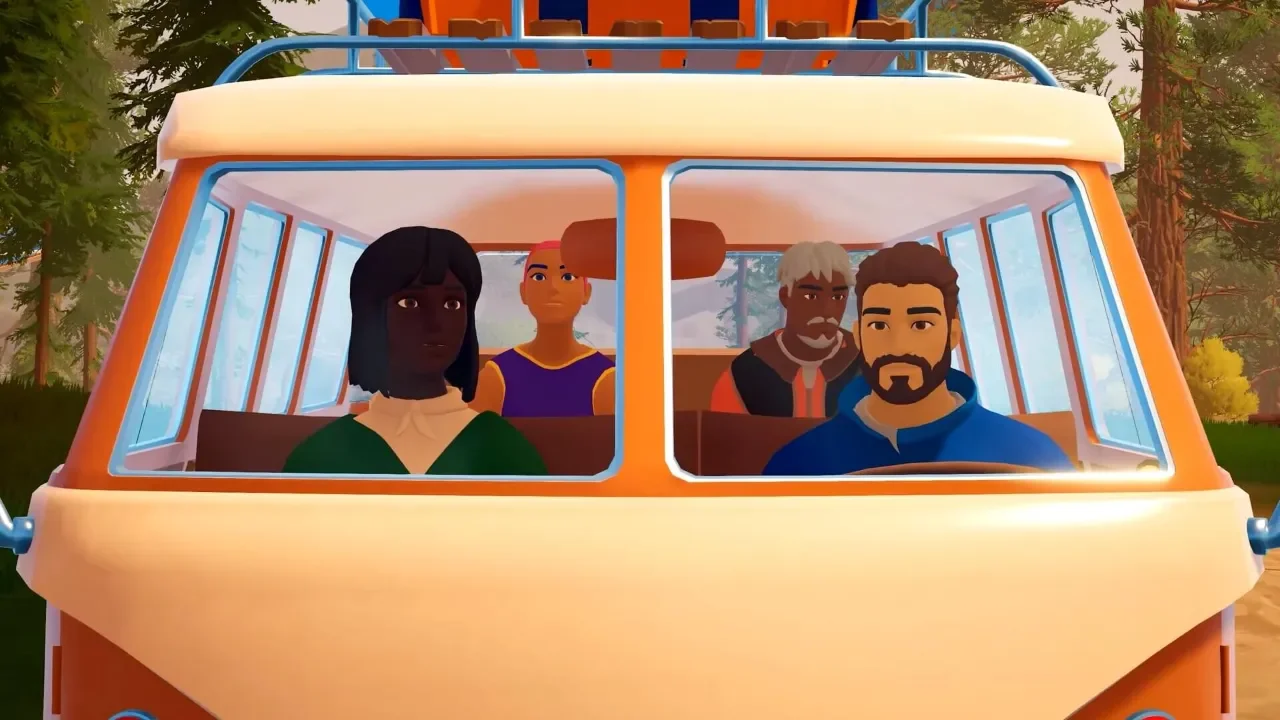
Visually inspired by an old VW Bulli camper, the Classic is exactly what it sounds like. It is the middle-of-the-road option that refuses to commit to an extreme.
You get decent payload, respectable building area, and perfectly acceptable maneuverability. If you truly cannot decide and just want to start the game, the Classic is a solid choice that will not punish you. It lacks the sheer hoarding potential of the Big One, but it offers a very balanced progression curve.
The Schoolie: The Premium Option
The Schoolie is locked behind the Schoolbus Adventures DLC pack or the premium game editions. If you bought it, you might as well use it.
It functions very similarly to the Big One, offering massive amounts of internal storage and building space at the cost of being incredibly cumbersome on the road. The main difference is the layout. You will find the engine and bio-burner under the front hood just like the Pathmaker, but the workbench is located inside your living area at the rear. It also features a proper back door instead of a trunk lid, which is a nice structural bonus when designing your floor plan.
Final Thoughts on Your Choice
Do not let analysis paralysis keep you on the main menu. I highly recommend maximizing your storage with the Big One, but it is entirely possible to clear every objective with the Pathmaker. You will just have to make a few extra trips to gather your materials.
Once you have your keys and are ready to hit the road, I suggest checking out my 10 Things I Wish I Knew Before Starting Outbound guide to learn exactly which blueprints to prioritize so you do not waste your limited starting resources.