Pokemon Pokopia Guide: How To Unlock Paint And Color Your Island
A base full of clever crafting and layout tricks still looks like a gray industrial complex until you actually unlock color.
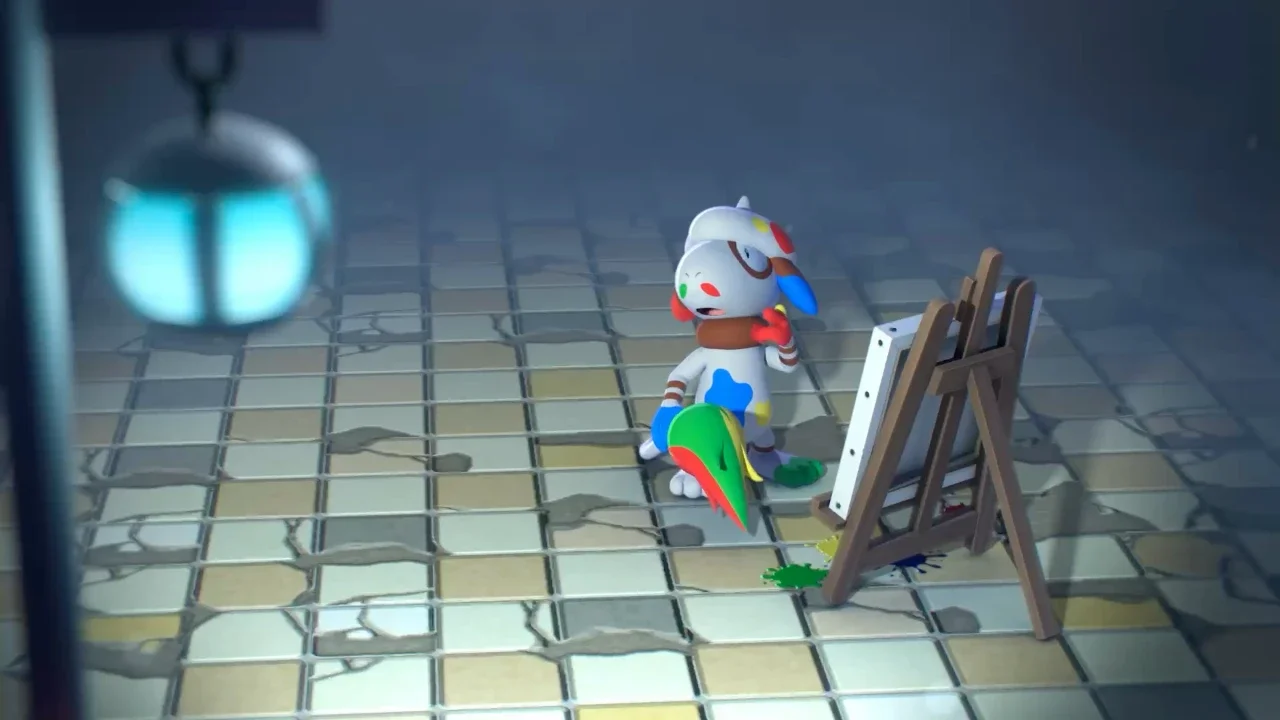
Customization is genuinely the long game here. It's what turns a functional camp into something that feels like yours, but the entire painting system sits behind story progress and a surprisingly involved crafting chain. There's no menu with a color palette waiting for you. You have to find the right character, stockpile a lot of fruit, and put some very large Pokemon to work.
Finding Smearguru First
Nothing paint related happens until you reach Bleak Beach. Once that area opens up, exploring around leads you to an NPC named Smearguru, who's your actual entry point into the whole customization system. Talking to Smearguru and picking up the questline is what unlocks the ability to craft paint and start applying it to your builds. Until that conversation happens, every fence and wall on your island stays exactly the gray it started as.
Paint Comes From Smashing Berries, Not Buying It
The actual manufacturing process is more chaotic than it sounds. Paint isn't purchased, it's made by handing berries to a Pokemon with the Crush ability and letting them smash the fruit into a usable paste. Onix and Tyranitar both fit the job well.
Worth keeping in mind if you're planning a big painting session: using abilities drains energy, so a Tyranitar smashing through hundreds of berries in one sitting is going to run out of steam eventually. Spacing out the work, or having a second Crush Pokemon on standby, keeps a large project from grinding to a halt halfway through.
The Six Colors You Can Actually Plan For
Six foundational colors exist, and each one ties to a single specific berry grown in its own region of the map. That means getting a particular color isn't random at all, it's just a matter of knowing where to look.
Red Paint comes from Leppa Berries, found pretty much everywhere
Yellow Paint comes from Aspear Berries in Bleak Beach
Pink Paint comes from Pecha Berries in the Rocky Ridges
Cyan Paint comes from Rawst Berries in the Sparkling Skylands
Blue Paint comes from Chesto Berries in Bleak Beach
Green Paint comes from Lum Berries in the Rocky Ridges
Knowing this list ahead of time genuinely saves a trip. There's no point wandering the Rocky Ridges hoping to stumble onto cyan when it's only ever coming from Rawst Berries clear across the map in the Skylands.
Black and White Break the Pattern Entirely
Every other color follows a clean one berry, one color rule, and then black and white throw that logic out completely. Neither has a dedicated berry. Both are random bonus drops that can happen whenever a Pokemon crushes any of the six standard berries, and the odds aren't generous.
It's a genuinely frustrating design choice, since black and white are arguably the two most useful, versatile colors in the game and they're the two you have zero direct control over. Farming toward them just means crushing a lot of blue or yellow berries and hoping the drop lands in your favor. Palette Town eventually lets you buy paint outright once it's upgraded enough, which takes the pressure off, but early on it's pure RNG.
Mixing Your Way to the Full Palette
Eight colors, six farmed plus two random drops, isn't the ceiling. Pokopia actually has around 18 distinct shades available, and getting there means pushing further into Smearguru's questline until Paint Balloons unlock.
Paint Balloons let you combine your base colors into new ones. Red and Yellow make Orange. Red and Green make Brown. Once the full 18 color spread is available, color coordinating an entire biome to match the Pokemon living there becomes a genuinely fun project rather than an afterthought, and it's honestly the point where base building starts to feel like actual interior design instead of just placing furniture.