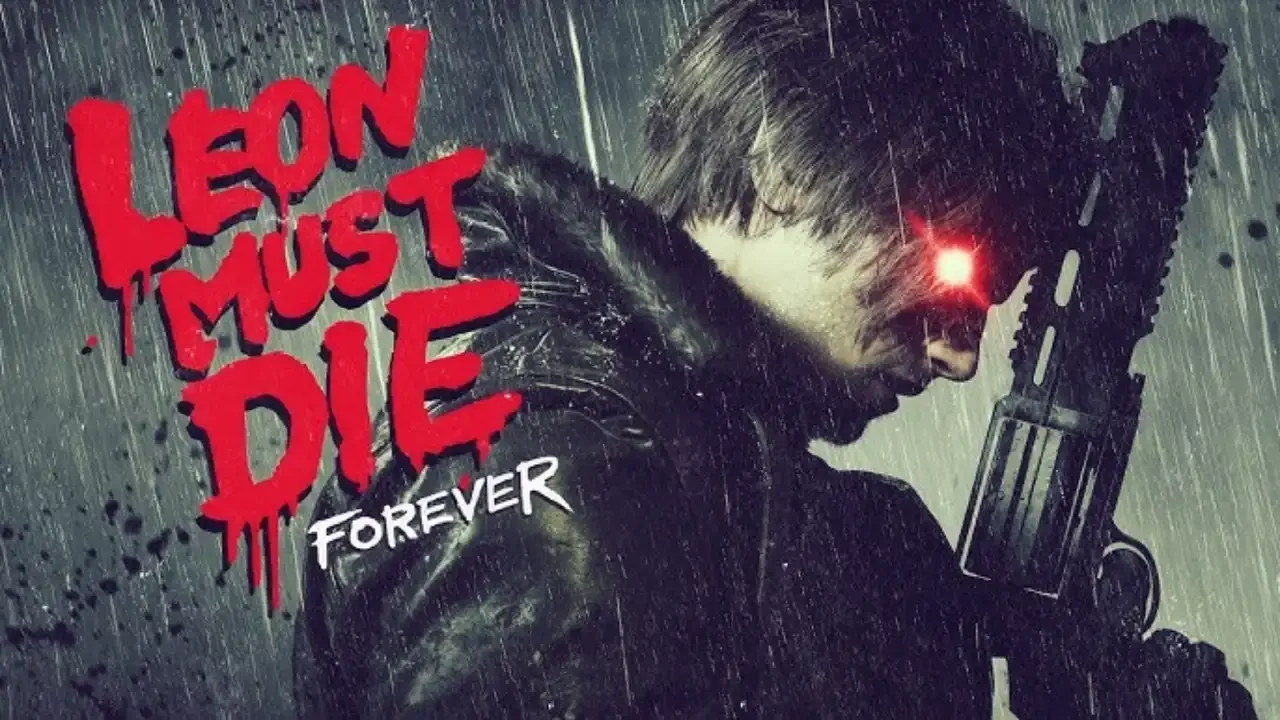
Resident Evil Requiem Beginner's Guide: How to Survive the First Night
The Care Center doesn't care how good you were at the last Resident Evil, it will still kill you in the first twenty minutes if you walk in swinging.
Capcom built this game around two characters who don't play by the same rules, and figuring that out early saves you a lot of frustration. Grace Ashcroft and Leon Kennedy split the campaign between them, and switching characters means switching your entire approach to the same building. Get that wrong and you'll spend your first session bleeding resources you didn't need to spend.
Settle Your Difficulty Choice First
Before anything else, the game asks you to pick between Classic and Modern, and it doesn't really explain what you're signing up for. Classic ties your saves to Ink Ribbons you have to physically find and use at typewriters. Auto-saves are rare, mostly limited to chapter transitions, so a bad encounter can genuinely cost you a real chunk of time. Modern strips that away entirely. Save wherever you want, whenever you want, and the game backs you up with frequent auto-saves on top of that.
There's no bonus tied to hoarding Ink Ribbons anymore, no special rank waiting at the end for suffering through the old system. Classic is there for people who specifically want that pressure. If you're not one of them, Modern removes a mechanic that adds tedium without adding much tension in return.
Camera Settings Are Worth a Minute of Your Time
Grace's sections default to first-person to make the whole thing feel tighter and more claustrophobic, and it works, but the head bob is aggressive enough to cause problems if you're sensitive to that sort of motion. Dig into the camera settings and tone it down if you need to. You can also force her sections into third-person entirely, which trades some of that claustrophobic pressure for a real practical advantage: it's a lot easier to peek around corners and spot patrols coming before they spot you.
Grace and Leon Are Not the Same Game
This is the part that trips people up. Grace is an analyst, not a soldier, and her sections are built as pure survival horror. She starts with almost nothing, her inventory space is tight enough that every item you pick up is a real decision, and her whole strategy revolves around staying unnoticed rather than fighting her way out. Getting into a prolonged firefight as Grace is usually a losing proposition.
One specific threat follows her through the early chapters: a creature called The Girl, and there's no fighting this one. You can't kill her, you can't stagger her in any meaningful way. What actually works is light. She avoids well-lit areas, so learning where the working overhead bulbs are in a given room turns into a genuine survival tool rather than set dressing.
Leon flips the tone completely. His sections play like a tactical shooter, he defaults to third-person, and he's got a hatchet parry that negates incoming damage and sets up a heavy counterattack when timed right. Learning that timing early is worth the effort. Unlike Grace, engaging enemies directly with Leon is often the correct call rather than the desperate one, since he's equipped to actually clear a room instead of just surviving it.
Not Every Infected Wants a Fight
The zombies here aren't the mindless shamblers from older entries in the series. A lot of them are just stuck acting out whatever they were doing the moment they turned. Orderlies mop the same bloody patch of floor on loop. A cook keeps chopping meat in the cafeteria like nothing's wrong. Leave them alone and they'll leave you alone, provided you don't bump into them or make a lot of noise.
That's ammo you don't need to spend. Watch patrol routes instead of shooting on sight, and use distractions like an empty bottle thrown across a room or a light switch flipped off to redirect attention without wasting a bullet. The IV stand enemies are a specific case worth knowing about: they're blind, but they react violently to sound. Throw a bottle near a regular zombie and the IV infected will sprint over and tear it apart, doing your job for you while you walk past both of them.
Your Map Doesn't Do the Work For You Anymore
Older games in this series would paint a room blue on the map the second you'd found everything in it. That's gone. Requiem only marks items, drawers, and puzzle pieces once you physically walk close enough to trigger them, which means clearing a room actually means clearing the room, not glancing at a minimap.
Yellow tape and paint are your visual cue for anything destructible or climbable, so it's worth training your eye to notice it rather than walking past crates and ledges that look like background detail. Shoot the hanging briefcases, break the wooden boxes, and read every file you come across, since a document with nothing obvious written on it might have a code scrawled on the back that you'd miss without flipping it over. That habit of rotating items in your inventory and looking at them from every angle applies to more than documents too. A box that looks purely decorative might have a hidden latch on the underside.
Backtracking matters here in a way it might not have in past entries. As you pick up new keycards and wristbands, older areas open back up, and that's where a lot of the good stuff sits, rare metals, weapon attachments, permanent health boosts locked in cargo containers you couldn't touch the first time through. Don't treat a wing of the facility as finished just because you've moved past it once.