Slay The Spire 2 Clone Guide: Surviving The Exponential Trap
Staring at a deck containing exactly one hundred and twenty eight identical copies of Claw is a uniquely terrifying experience.
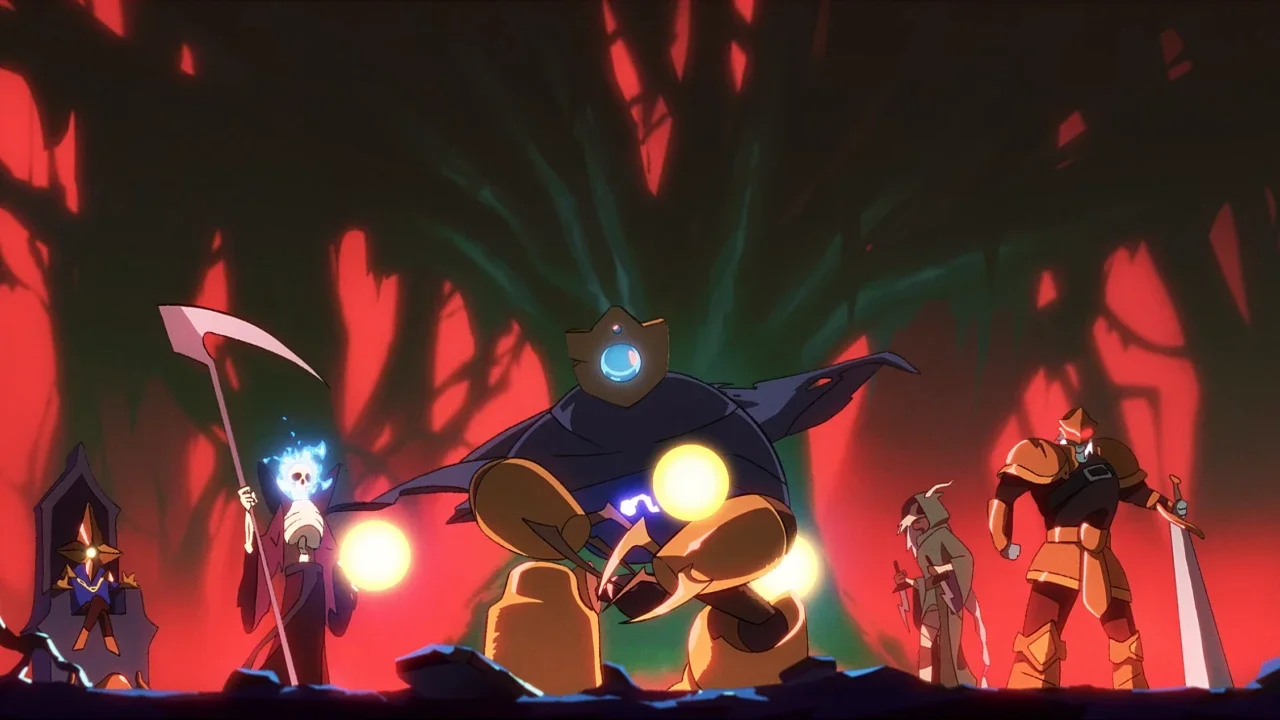
Getting handed the power to duplicate your favorite cards sounds like an absolute dream scenario. When you reach Act 2: Hive and secure Pael's Growth, your brain immediately starts calculating the sheer offensive output. You assume you have already won the run. Then you hit a campfire, skip your desperately needed heal to duplicate your chosen attack, and suddenly realize your entire deck is becoming a suffocating monolith of a single concept.
Slay the Spire 2 is a game that thrives on punishing greed. The Clone mechanic is the purest distillation of that punishment. I have lost more incredible runs to my own exponential duplication addiction than I have to any actual boss mechanics. It feels amazing to multiply your damage, but when an elite is preparing to hit you for seventy damage and you draw a hand containing exactly zero block cards, reality sets in very quickly. You have to understand the underlying math before you commit your cards to this trap.
Finding Pael And Manipulating The Drop Rate
The Clone enchantment does not just fall out of the sky on every single playthrough. You have to survive long enough to meet the right NPC and pray to the random number generator.
Forcing The Odds
To unlock this mechanic, you need the Pael's Growth relic, which you can acquire from Pael at the start of the Hive act. Once you slot this into your inventory, you gain the ability to apply the Clone enchantment to one specific card. The base encounter drop rate for this sits at a miserable 4 percent. You can actively manipulate the game to give you a slightly better chance of seeing it. If you prune your deck early and walk into Act 2 with fewer than three Defend cards, the encounter rate bumps up to 6 percent. It is a minor edge, but when you are trying to force a specific build on the Slay the Spire 2 tier list, you take every statistical advantage you can get.
The Upgrade Rule
Before you even think about applying the enchantment, make sure the target card is already upgraded. This is the single biggest mistake people make. If you apply Clone to a base level card, every copy will be base level. If you upgrade the card first, the game treats that upgraded status as the baseline. Every single duplicate will pop out fully enhanced. Taking the time to upgrade first saves you from drawing dozens of weak, unoptimized cards during the final boss fights.
The Hidden Synergies And Lethal Traps
Exponential growth is hilarious right up until the moment it gets you killed. You have to manage the drawbacks carefully and know when to stop pressing the duplicate button.
The Healing Deficit
The most immediate drawback is the sacrifice required at every Rest Site. You are giving up your ability to heal because the duplication replaces the rest action. Since the copy retains the enchantment, the next campfire gives you two more, then four, then eight. Your deck inflates massively while your health bar stays firmly in the red.
I highly recommend hunting for the Miniature Tent relic if you plan to clone heavily. This beautiful piece of hardware lets you heal while upgrading and duplicating simultaneously. It completely breaks the standard penalty. If you happen to stumble into the Doll Room event, which is frankly almost as tricky to navigate as a fake merchant encounter, look for the Bing Bong relic. Bing Bong alters the math so your Clone enchantment triples the cards instead of doubling them. I have had runs where Bing Bong ballooned my deck size into the hundreds within three Rest Sites. It is absurd.
The Elite Punishment
You also need to scout your map path carefully. Filling your deck with sixty cheap cards feels incredibly powerful until you run into enemies specifically designed to punish that exact strategy. The Entomancer and the Hunter Killer elites are basically hard counters to card spam. If you try to play twenty identical cards in a single turn against them, they will passively scale their damage and obliterate you. Sometimes you just have to know when your deck is thick enough and walk away from the campfire. Empathize with the fact that running out of gas against a Hunter Killer is frustrating, but it is a direct result of ignoring the game's warnings.
My Favorite Cards To Actually Clone
I have tested this mechanic on nearly every card concept in the game, and some options are objectively superior for keeping you alive.
The trick is simply knowing when to stop. The difference between a masterfully crafted deck and a bloated mess is usually just one campfire too many. Resist the urge to duplicate everything, protect your health pool, and watch the elites melt.