Tomodachi Life: Living The Dream - The Complete Personality Guide
Five sliders during Mii creation look harmless enough, but they quietly write the social code every resident lives by.
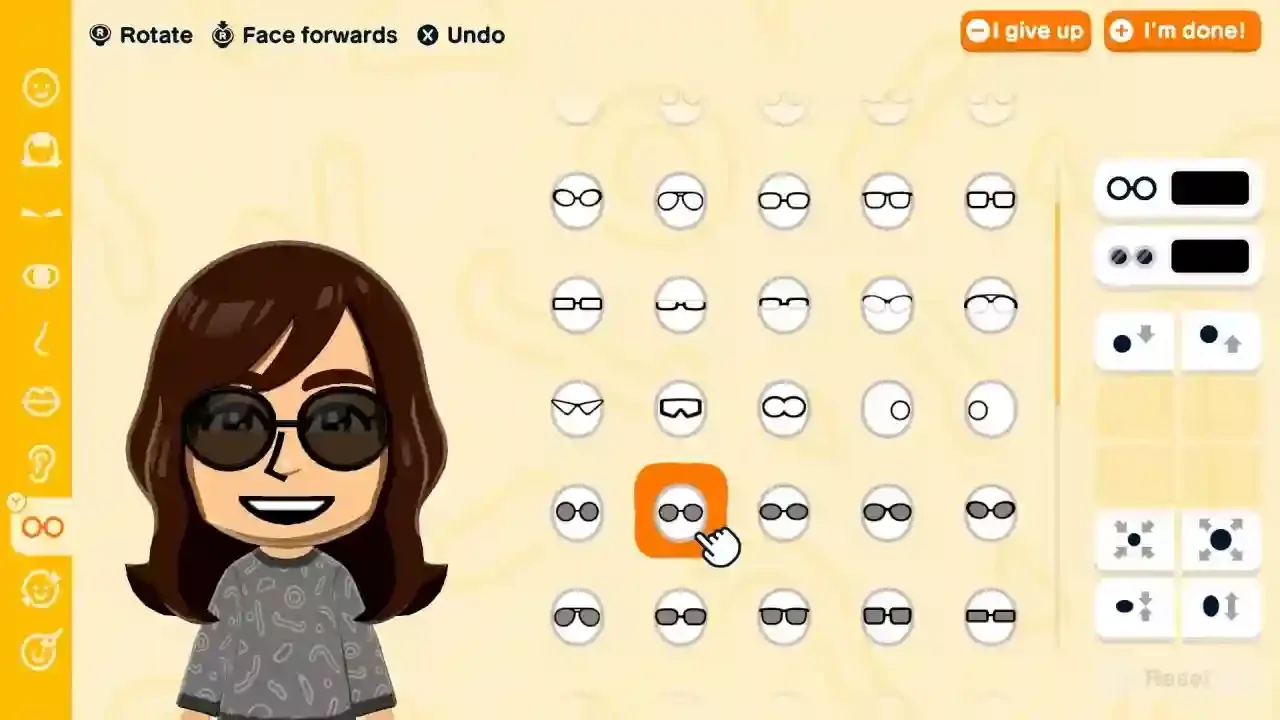
Picking a funny nose and a favorite color feels like the fun part of building a new Mii, but the five sliders sitting underneath that creation screen matter far more than they let on. Movement, Speech, Expressiveness, Attitude, and Overall aren't just cosmetic tweaks to how someone walks or talks. They sort every resident into one of sixteen personality boxes, and that box ends up shaping who they befriend, what food they gravitate toward, and how badly they react when things go wrong.
Push every slider to the same extreme without thinking it through and the game happily builds a whole cluster of high energy, easily provoked residents who don't mix well. Sliders can always be revisited later if an island starts leaning too chaotic, since adjusting a Mii's setup after the fact is entirely possible.
The Four Broad Groups
Every personality falls under one of four umbrellas first, and knowing the general shape of each one goes a long way before diving into the specific sixteen.
Confident residents act as the natural leaders. They get things done and rarely hesitate, but two Confident Miis sharing a room tends to mean neither one backs down from an argument, which can turn a simple island into a steady stream of squabbles.
Outgoing Miis are the social ones, always angling to hang out in groups and meet someone new. An island that wants a busy amusement park and a steady flow of group events benefits from having a good handful of these around.
Easygoing residents rarely start anything. They go with the flow and make daily upkeep simple since they don't complain much, though that same passivity means stronger personalities tend to push them around, and they'll often need a hand recovering when feelings get hurt.
Independent Miis need the least supervision day to day, but good luck convincing one to socialize on command. Hobbies and solo time in their own room usually win out over a trip to the cafe.
The Sixteen Sub-Types
Each of those four groups splits further into four specific sub-types, and the differences between them show up constantly once an island gets going.
Putting It To Work On The Island
Personality carries real weight beyond just day to day interactions, especially once romance enters the picture. Pairing two naturally compatible types, like an Easygoing Buddy settled near another Easygoing resident, tends to produce a friendship that clicks fast and stays stable with very little intervention.
Push a fragile Easygoing Softie toward a Confident Go-Getter instead and the game's internal logic fights back the whole way. Opposite personalities bicker more, miscommunicate constantly, and need regular smoothing over to avoid a full blown spiral, the kind of situation covered in more depth over in the friendship fights and depression guide.
None of this needs to be memorized perfectly before starting. Keeping an eye on personality types alongside the regular daily routine makes it a lot easier to spot which residents are likely to clash before it turns into a real problem, which saves a good amount of cleanup down the line.