Windrose: Naval Combat, Boarding, and Getting a Ship Back
The ocean in Windrose stays calm right up until a galleon puts a hole in the hull.
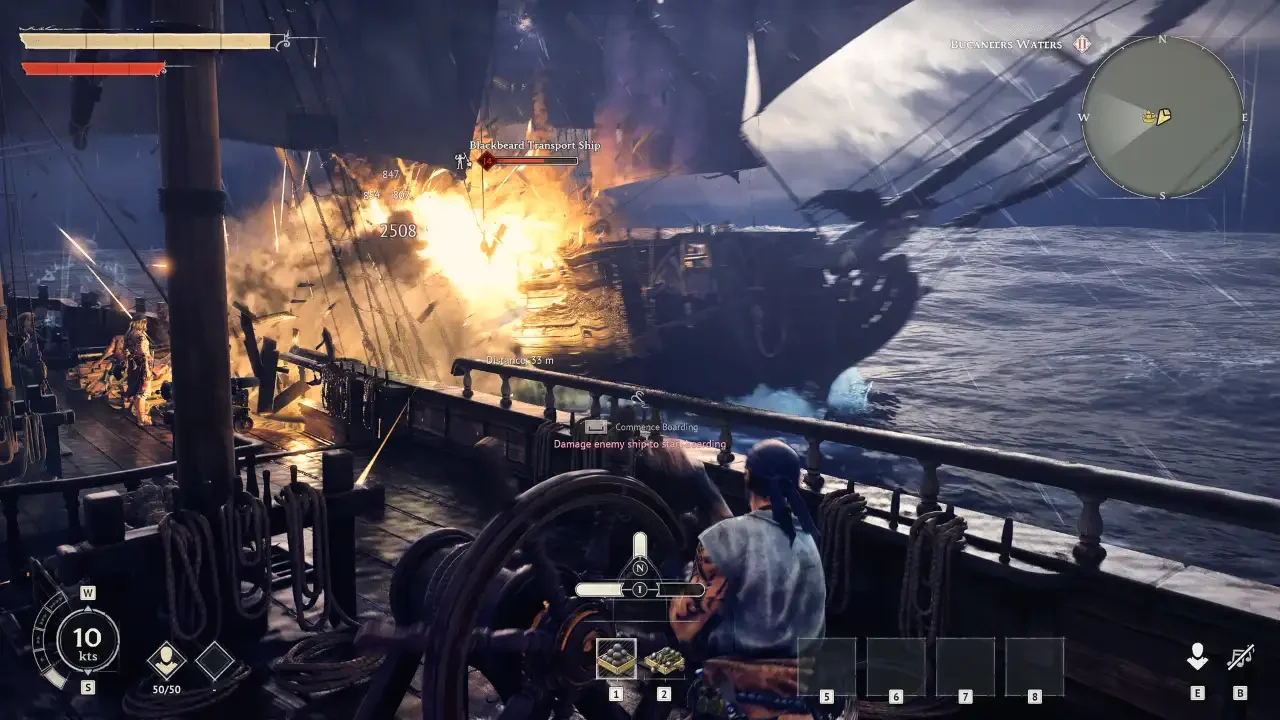
Waters around the starter islands stay contested, and running into a Blackbeard patrol or a faction vessel means the fight is happening whether it's wanted or not. Ramming in and mashing the fire button works about as well as it sounds. Naval combat here rewards patience over aggression, which took longer to sink in than it should have. Getting a vessel repaired and armed in the first place is worth sorting out before any of this matters.
Speed and Positioning Decide More Than Firepower
Getting surrounded is the fastest way to lose a ship, and it happened enough times early on that repositioning stopped being optional. Pulling aggro from two vessels means maneuvering until both sit on the same side. Crossfire from both port and starboard chews through hull bracing faster than it feels like it should, and there's no coming back from that mid-fight.
Throttle ended up mattering more than expected. Holding full speed through a dogfight makes turning sluggish right when a sharp turn matters most, so dropping to three quarters before lining up a broadside is worth the habit. Full speed still earns its keep closing a gap or bailing from a losing fight, and a quarter speed is the one worth remembering for sliding in behind an enemy's stern. Most ships here carry no rear-facing cannons at all, so getting locked in behind one turns into free damage for as long as the position holds.
Cannons Reload Slow, Aim Accordingly
Eleven seconds doesn't sound like much until a missed volley leaves a ship sitting there defenseless while the reload bar crawls back up. Aiming lower than instinct suggests compensates for cannonballs arcing higher than they look like they should, aiming dead center tends to sail clean over the target instead of through it.
Waves complicate things further. A swell rising between two ships blocks projectiles in both directions, and firing into one just wastes the shot. Once that clicked, a good chunk of "why did that miss" moments stopped happening.
Targeting matters as much as timing, and this is where the fight actually gets interesting instead of just being a stat check. Standard cannonballs against the lower hull do the real sinking damage. Chain Shot against masts and sails cripples speed instead, which is the better opening move against anything trying to run. Targeting the loaded side of an enemy and forcing it to turn its unloaded guns around wins the reload race outright, and it's the single most useful habit to build early.
Boarding Pays Better Than Sinking
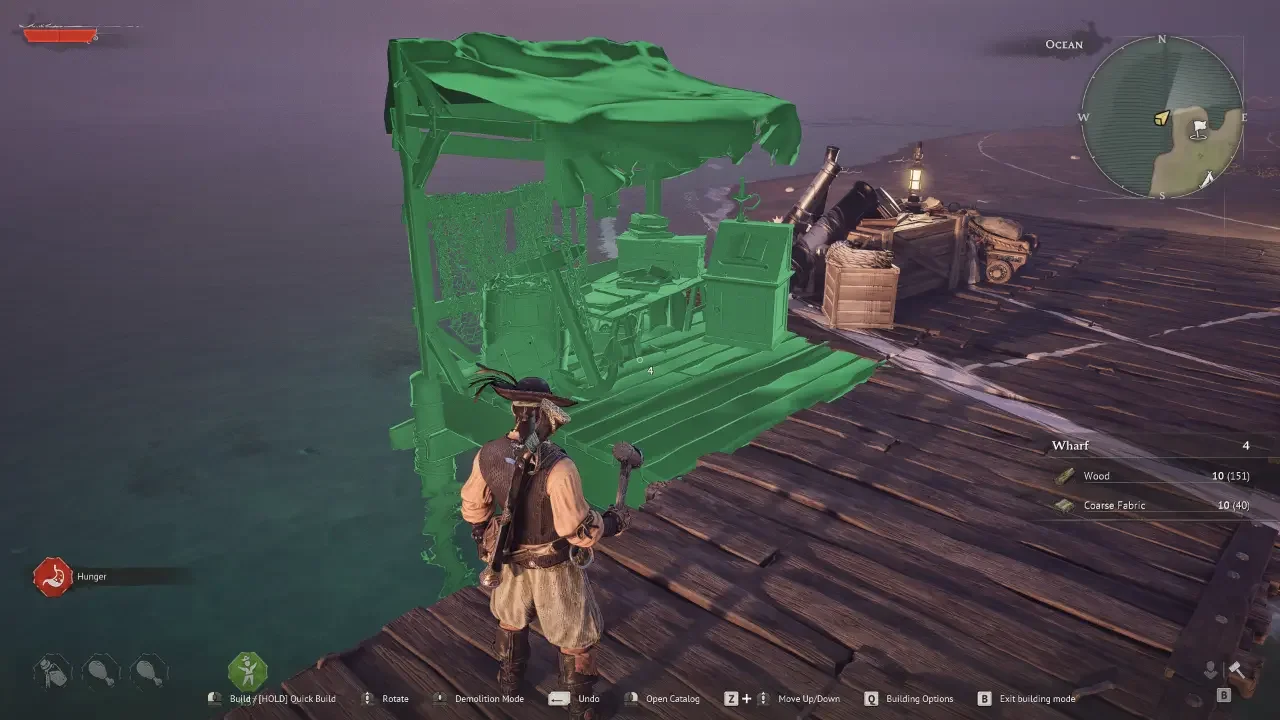
Sinking a ship works fine. Boarding one for its cargo pays out noticeably better, and it's worth the Boarding Gear investment at the Wharf once that becomes clear.
Bringing an enemy ship down to critical health disables it entirely, no movement, no return fire. That's the window to latch on and trigger the boarding action, dropping both crews onto the same deck. Small Ketches in particular leave almost no room to actually dodge anything once the brawl starts, which is why a Blunderbuss or Musket earned a permanent spot in the loadout before any boarding attempt. Standing near the railing, letting the crew soak the damage, and picking off sailors from a distance works better than wading into melee blind, mostly because the deck space just isn't there to make melee worth the risk. Killing the required number of sailors closes it out and hands over the cargo. Loadout costs for the guns worth bringing into this are worth checking before the fight starts, not mid-boarding when there's no time to think about it.
Losing a Ship Doesn't Have to Mean Losing Everything
Sometimes the wrong turn meets a broadside of 24-pounders and the ship goes down anyway. It happens. Getting dumped into the water isn't the end of the encounter though, and panicking at that point tends to make things worse. Summoning the backup sailboat immediately and getting clear of the area is the actual move. If that rowboat also goes down while the enemy's still hostile, the character dies, and dying drops the entire personal inventory to the ocean floor, which turns into a genuinely annoying recovery trip.
The one mercy here is that the cargo hold survives independently of the ship itself. Getting back to the Wharf opens a recovery menu that pulls a sunken flagship back up for a chunk of raw materials, scaling with the vessel's size, and everything stashed in that hold when it went down comes back the moment the ship's restored. First time that happened, it felt like getting away with something.
The Wharf Doubles as a Shipyard
Outgrowing the starter Ketch happens eventually, and the Wharf handles that too through its Shipyard tab. Bigger vessels don't come from standard crafting, they're bought as blueprints from major factions instead. The Brethren of the Coast in Tortuga sell Brigantine and Frigate designs for Guineas once reputation with them climbs high enough, which turns fleet expansion into as much of a grind as anything else in the game.
The Customization tab covers the cosmetic side, sail colors, faction flags, renaming the ship, once the actual combat and recovery systems are actually handled.