Slay the Spire 2 Colossal Flower Guide: How Much Blood a Relic Is Actually Worth
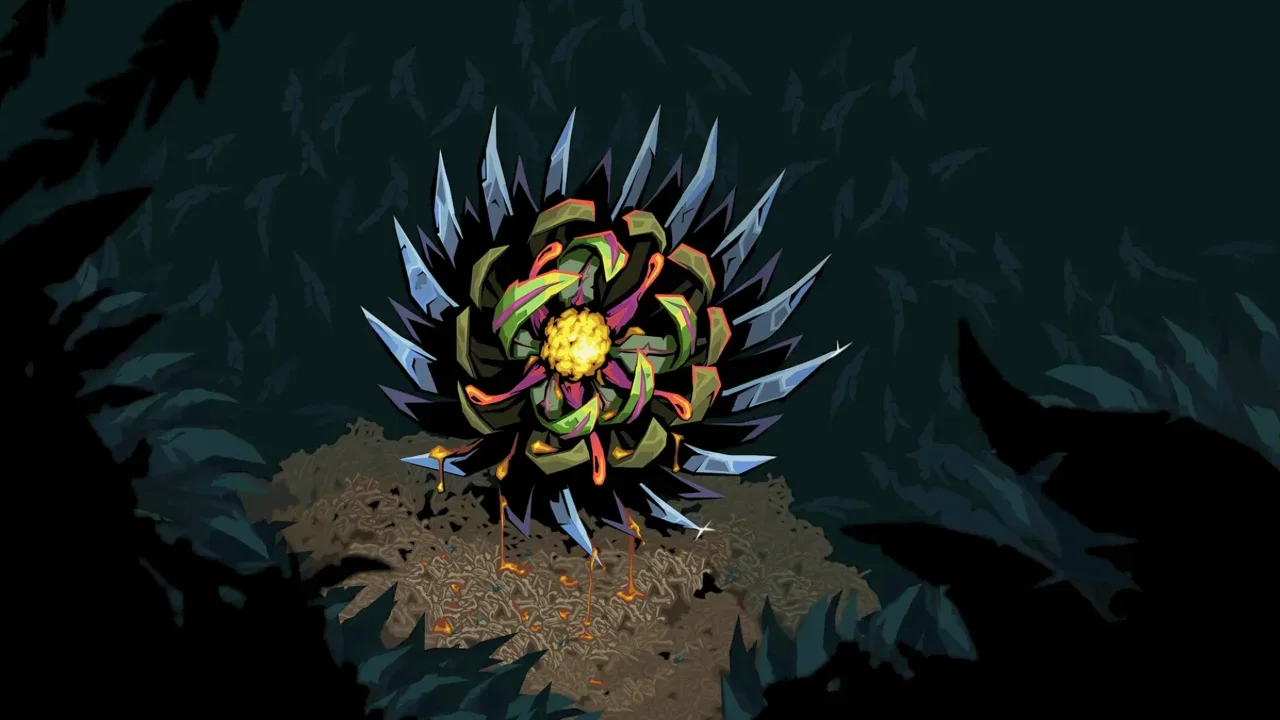
A giant flower growing out of a bone pile offering to trade your health for gold and relics is exactly the kind of decision Act 2 loves to spring with zero warning.
This event only appears once per run, never in Act 1 or Act 3, and it's built entirely around one escalating question: how much health is worth spending to see what's deeper inside. Once a choice to go further gets made, there's no walking it back or retroactively grabbing an earlier stage's reward. It's commit or extract, every step of the way. Anyone still shaky on general Act 2 survival should look at my beginner's guide before gambling health away at an optional node like this one.
The Cost of Going Deeper
Going all the way to the center costs 18 HP total across the three stages, and it's worth being clear about what that actually buys: the relic, not the relic plus the accumulated gold. Reaching the center and taking the Core means walking away with no gold from this event at all.
What the Pollinous Core Actually Does
The Core is an uncommon relic exclusive to this event, and its effect is entirely passive: every four turns in combat, it draws two extra cards, meaning turn four, turn eight, turn twelve, and onward. That's a small, quiet bonus on paper, but card draw tends to be the resource that actually decides fights, more so than raw energy, since energy does nothing if the hand full of it is stuck holding basic Strikes when a block card is desperately needed instead.
What makes it genuinely strong is that it needs zero setup to be useful. It slots into essentially any deck without requiring specific synergy pieces, and it's especially valuable in slower archetypes that naturally drag fights past turn four, orb-focused Defect builds or Poison-stacking Silent decks both benefit from a guaranteed refresh landing exactly when a fight's dragging and a bricked hand needs saving. Worth comparing it against the rest of the relic pool in my best relics guide if there's a decision to make between it and something else on offer nearby.
Knowing When to Just Take the Gold
None of that makes charging straight to the center automatically correct. 135 gold is a real amount of money, enough to strip a curse at a shop, grab a potion ahead of a dangerous fight, or buy an entirely different, safer relic instead.
Health total matters more than anything else here. Sitting below roughly 40 to 50 HP is a strong signal to just take the payout and move on, especially with an Elite visible a floor or two ahead on the map. Giving up 18 health right before a fight that's already going to hurt is a bad trade regardless of how good the relic waiting at the center might be.
Deck speed matters too. A build designed to end fights in two or three turns gets essentially nothing out of a draw bonus that only triggers every four, so an aggressive burst-focused Ironclad deck trading health for a delayed payoff that rarely activates is trading downside for upside that never shows up. Taking the gold and spending it on something that closes fights out faster is the better play in that case.
Knowing When It's Worth the Blood
The flip side holds when there's a comfortable buffer, somewhere around 60 HP or more, since the Core's advantage is permanent while gold is a resource that disappears the moment it's spent. A steady card-draw bonus pays off across every long fight for the rest of the run, including the tougher fights waiting in Act 3.
That case gets even stronger with reliable healing already in the deck, or a campfire visibly waiting right after this event on the map. Eighteen damage matters a lot less when there's a way to immediately rest it off. Anyone building toward a heavier combo deck should lean toward taking the Core too, since more cards seen per fight generally means more of that combo actually coming together in time.
The One Piece of Discipline That Actually Matters
Checking the map before committing to anything here isn't optional advice, it's the actual decision-making tool. Trading away health without knowing what's coming next is how a strong run gets undone by an optional node it never needed to engage with in the first place, and that risk only grows at higher difficulty, where mistakes that would've been shrugged off earlier start ending runs outright. My Ascension guide is worth a look if the current climb is deep enough that this kind of math actually matters.
It's also worth remembering that stopping at Stage 2 is a completely valid outcome on its own. Five HP for 75 gold is a solid trade on its own merits if a shop's coming up and a little extra cash is all that's actually needed, no obligation to chase the center just because it's there.