Monster Hunter Stories 3: Complete Mutated Monsties Guide
Messing with the local ecosystem to spawn genetically superior super predators is the actual endgame.
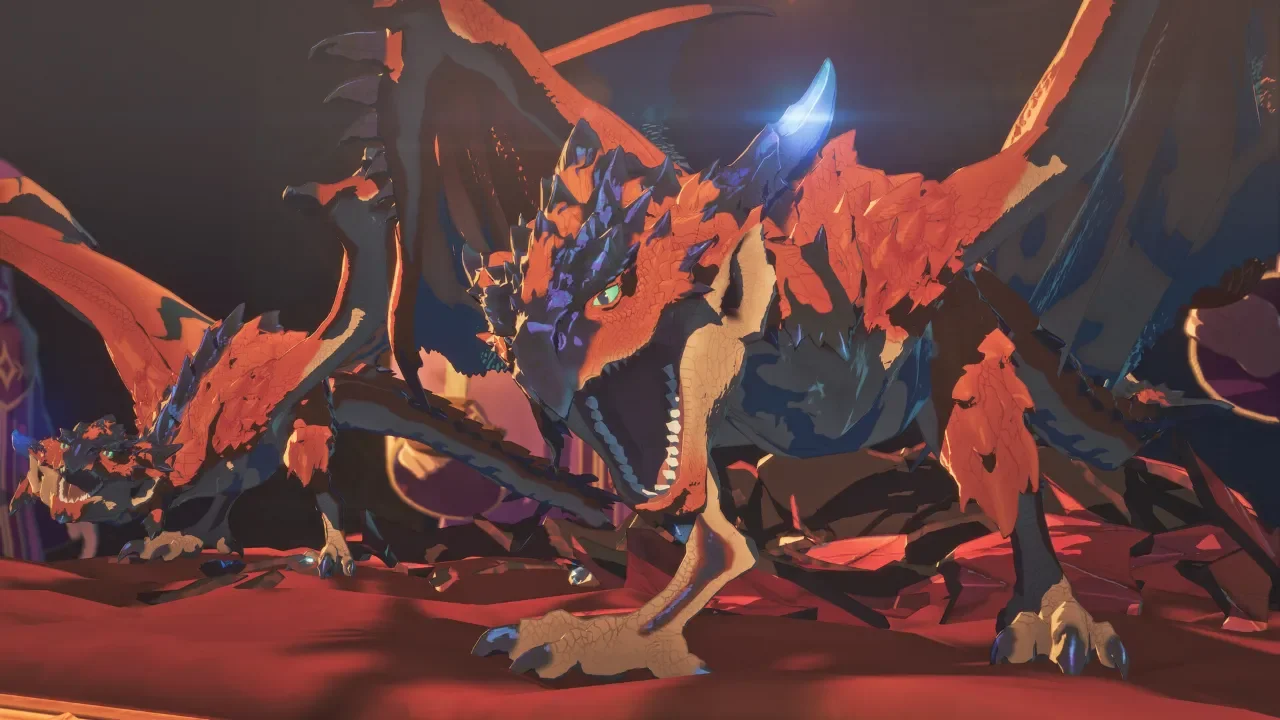
Rebuilding a fractured environment is a noble goal on paper. In practice, the Habitat Restoration system in Monster Hunter Stories 3 is just a very elaborate cover for a genetic modification program. The game wants you to believe you are saving endangered species. You are actually just forcing them into cramped environments until they mutate into absolute powerhouses. The system is incredibly deep, but the game barely explains the specific conditions required to trigger the rarest variants.
I spent an unreasonable amount of time hoarding eggs and manipulating local wildlife populations to figure out the exact triggers for every mutation. You do not strictly need these mutated monsties to beat the main campaign. However, having a team of genetically modified apex predators makes the postgame significantly less frustrating. If you want a massive advantage in combat, you need to understand how to play god with the ecosystem.
The Art of Forced Evolution
Before you start hunting for deviants, you need to understand the basic mechanics of Ecosystem Ranks. You raise a monster's rank in a specific region by hatching their eggs and releasing them into that habitat. It is a massive time sink. Hatching thirty basic herbivores just to push a bar up to an S-Rank is a mind-numbing process.
I highly recommend checking out my MHS3 egg farming habitat guide to optimize your routes, because doing this inefficiently will burn you out completely. You also need to actively rescue Endangered monsters from invasive threats before their base species even becomes available for restoration.
The Straightforward Subspecies
Not every mutation requires a convoluted setup. Several of the mid-tier subspecies simply demand that you push their base species up to an A-Rank or B-Rank. These are the easiest variants to secure and they serve as massive power spikes for your mid-game roster.
The S-Rank Nightmares
This is where the system gets needlessly complicated. The top-tier deviants demand an S-Rank alongside very specific environmental synergies. You have to populate the habitat with complementary monster types to force the game to hand over the good stuff.
Dreadqueen Rathian
Getting the Dreadqueen requires patience. You must push a Rathian or a Pink Rathian to S-Rank in your chosen ecosystem. Once that is done, you have to surround her with three or more poisonous monster species. The smartest play here is to use Azuria's Sunpetal Plains. The Gypceros is native to that region, covering one slot immediately. If you have been heavily farming the area, you might even trigger this by accident.
Hellblade Glavenus
This is arguably one of the most tedious mutations to set up. After dragging Glavenus to an S-Rank, you have to introduce four monsters equipped with razor-sharp appendages into the environment. The game categorizes Shogun Ceanataur, Seregios, Great Izuchi, and Magnamalo under this specific label. Finding four of these and cramming them into the same habitat is a headache. Magnamalo is locked behind late-game progression, meaning you will be waiting a long time to secure this fire-breathing nightmare.
Deadeye Yian Garuga
Deadeye Yian Garuga sounds complicated but is actually quite simple if you understand the underlying math. You need to populate the habitat with three or more monsters that possess an equal or greater Ecosystem Rank than your Yian Garuga. You do not need specific species or elements here. Just hatch a massive pile of eggs for your highest-ranked local monsters and dump them into the wild alongside the bird.
The Rivalry Mutations (Soulseer and Thunderlord)
I actually love how the developers handled this specific interaction. Zinogre and Mizutsune are bitter rivals in the lore, and the game uses that hostility to trigger their ultimate forms.
To unlock Soulseer Mizutsune, you must reach S-Rank with a standard Mizutsune and then introduce a Zinogre into the exact same habitat. To unlock Thunderlord Zinogre, you do the exact opposite. Get a Zinogre to S-Rank and drop a Mizutsune into the area. Putting them both in the same room essentially forces them to mutate just to survive each other.
Silverwind Nargacuga
Silverwind Nargacuga boasts some of the highest base speed in the game. To get one, push your standard or Green Nargacuga to S-Rank. You then need to introduce two wind-controlling monsters to the area. Your best options are Great Izuchi, Paolumu, or Legiana. Legiana takes forever to unlock, so rely on the Izuchi and Paolumu to get this done early.
Boltreaver Astalos
Astalos is already an Endangered monstie, meaning you have to hunt down an Invasive Seregios just to get the base egg. Once you clear that hurdle, grind the Astalos to S-Rank and introduce three or more thunder monsters into the environment. Any electric type works here. If you have already unlocked the various Zinogre forms, just dump them all into the same habitat to easily meet the quota. If you are struggling to find the right elemental parts to survive this process, refer to my [MHS3 monster weakness locations] guide to speed up your farming.
Dreadking Rathalos
Dreadking Rathalos will carry you through the toughest postgame bosses. The setup is completely straightforward but incredibly demanding on your resources. Push your Rathalos or Azure Rathalos to S-Rank, and then introduce four Flying Wyverns into the ecosystem. Do this in a zone that already has native Flying Wyverns so you do not waste all of your optional habitat slots trying to force the synergy.
Grimclaw Tigrex
Grimclaw Tigrex requires a specific combat type rather than an elemental synergy. Get your Tigrex to S-Rank and fill the environment with four Power-type monsters. Power monsters use the red attack types in combat. Every single Rathalos variant counts as a Power monster, making them the perfect filler to trigger this mutation.
Bloodbath Diablos
Bloodbath Diablos is a terrifying physical attacker, and the game puts a very strict geographical lock on its mutation. You can only trigger this event in the Bountiful Dunes region of Tarkuan. You must raise the Diablos or Black Diablos Ecosystem Rank to S exclusively in this specific desert. Once you finally unlock the Bloodbath variant, you are free to move it to other environments, but the initial spawn is permanently chained to the dunes.
Once you have a roster full of these mutants, you essentially break the difficulty curve. If you want to see exactly how these variants stack up against the rest of the cast, head over to my MHS3 best monsties tier list and start planning your ultimate endgame team.